Acetaldehyde → HCID 22012686, compound
Reaction equation

[CH2:1]([OH:8])[CH2:2][C:3]#[C:4][CH2:5][C:6]#[CH:7].C([Mg]Br)C.[CH:13](=[O:15])C.[C:16](Cl)(=O)C1C=CC=CC=1.[Cl-].[NH4+].C1(C)C=CC(S(O)(=O)=O)=CC=1.C([O-])(O)=O.[Na+]>CO.N1C=CC=CC=1.O1CCCC1.C(OCCOCCOCC)C>[CH2:13]([OH:15])[CH2:7][C:6]#[C:5][CH2:4][C:3]#[C:2][CH:1]([OH:8])[CH3:16]Participants
Reactant 7
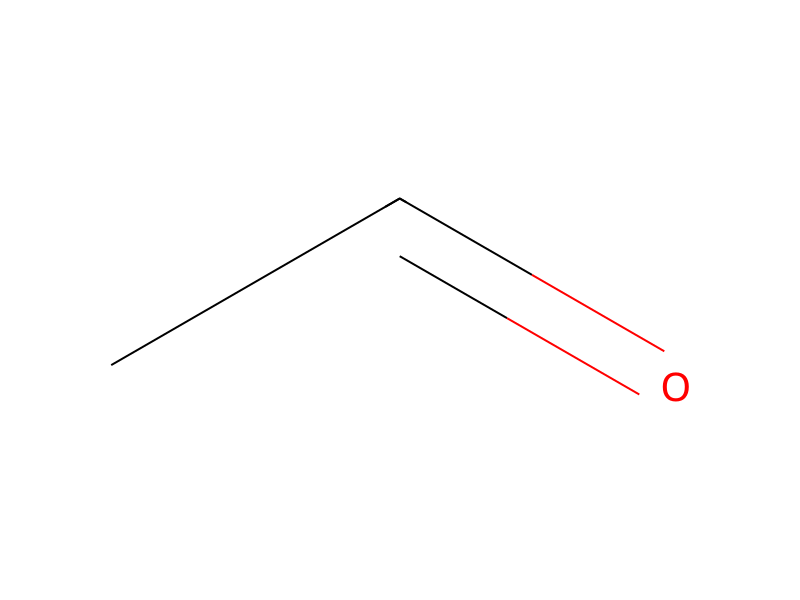






Product 1

Reagents, catalysts & solvents 4




Procedure
More specifically, to chemically prepare the compounds of the invention, the C16-C24 fatty acids are prepared first, and isolated. The isolated fatty acid is then conjugated to the amino acid. The first step of the process produces a 1-ethoxyethyloxy-8-benzoyl-3,6-nonadiyne [I] by reacting ethoxyethyl ether of 3,6 heptadiynol in an anhydrous ethereal solvent, such as, for example, tetrahydrofuran with an organometallic base, such as, for example, ethylmagnesiumbromide in an anhydrous ethereal solvent, tetrahydrofuran, for example, at about 0° C. Approximately 1 ml of acetaldehyde, or any other aldehyde, is added to the mixture. The mixture is then treated with an anhydrous tertiary amine base, such as for example, pyridine, followed by benzoyl chloride to acylate the resulting alcohol. This mixture is stirred for approximately 1 hour and is then treated with a saturated ammonium chloride and extracted into a non-polar solvent, such as, for example, diethyl ether. The organic phase is separated, washed in brine and dried over anhydrous inorganic salt, such as, for example, MgSO4. For the purposes of this application, brine is defined as a saturated sodium chloride solution. The dried preparation containing I is reconstituted in an alcohol solvent, such as, for example, methanol and treated with an organic acid, such as for example, p-toluenesulfonic acid to remove the ethoxyethyl ether group. This is allowed to react until almost no starting materials remain. The mixture is treated with a mild inorganic base, such as for example, NaHCO3, and the solvent is removed in vacuo. The residue is taken up in a non-polar solvent, such as for example, diethyl ether and purified by liquid chromatography over silica gel to obtain 3,6-nonadiyne-1,8-diol, 8-benzoate. The solvent is removed in vacuo and the residue taken up in an alcoholic solvent, such as, for example, ethanol, containing quinoline and Lindlar catalyst and stirred at about room temperature until hydrogen uptake ceases. The product is isolated by liquid chromatography through celite and the solvent removed in vacuo. The residue is taken up in a non-polar solvent, such as, for example, diethyl ether, washed with dilute aqueous acid, such as, for example, 10% HCL, and dried over an anhydrous inorganic salt, such as, for example, MgSO4. The dried residue is taken up in methylene chloride and this contains compound II.
Workup
- customat about 0° C
- extractionextracted into a non-polar solvent
- customThe organic phase is separated
- washwashed in brine
- customdried over anhydrous inorganic salt
- customThe dried preparation
- additioncontaining I
- customto remove the ethoxyethyl ether group
- customto react until almost no starting materials
- customthe solvent is removed in vacuo
- custompurified by liquid chromatography over silica gel
Sources & evidence
- ORD record
- ord-9a8a0bad56ed4d409408b8be686c4055
- Source dataset
- uspto-grants-2001_03
- Patent number
- US06207712B1
Reaction notes
Loading…