Hydrochloric Acid → HCID 9863339, compound
Reaction equation

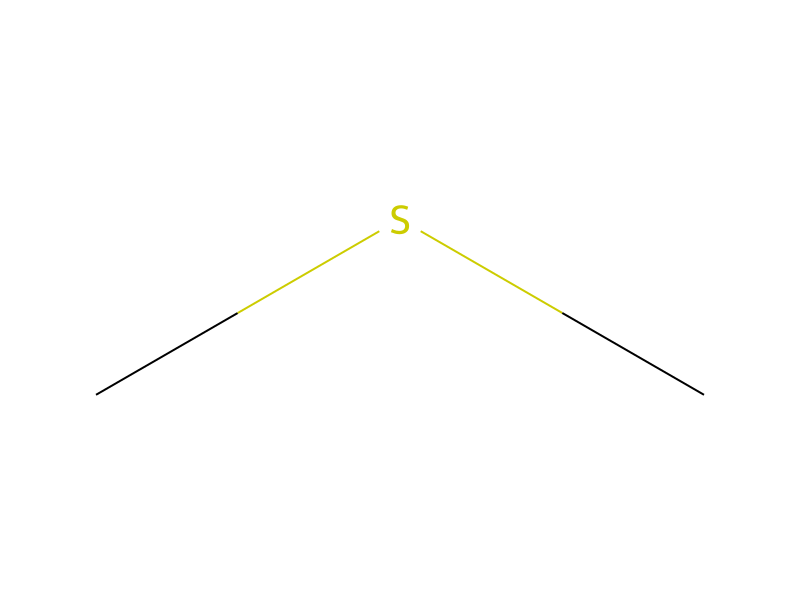
[C:1]([NH:4][CH:5]1[CH2:10][CH:9]([CH2:11][CH2:12][CH3:13])[S:8](=[O:15])(=[O:14])[C:7]2[S:16][C:17]([S:19]([NH2:22])(=[O:21])=[O:20])=[CH:18][C:6]1=2)(=O)[CH3:2].S(C)C.Cl>O1CCCC1>[CH2:1]([NH:4][C@H:5]1[CH2:10][C@H:9]([CH2:11][CH2:12][CH3:13])[S:8](=[O:15])(=[O:14])[C:7]2[S:16][C:17]([S:19]([NH2:22])(=[O:21])=[O:20])=[CH:18][C:6]1=2)[CH3:2]Participants
Reactant 3


Product 1

Reagents, catalysts & solvents 1

Conditions
- Temperature
- 0 °C
Procedure
A flask fitted with a short path distillation head was charged with a solution of 7 (53.3 g, 0.145 mol) in 1000 ml of tetrahydrofuran. After blanketing the system with argon, the solution was treated with 10.0M BH3.(CH3)2S (51 ml, 0.5 mol) at a rate sufficient to maintain reasonable gas evolution. Upon addition, the flask was gently warmed to collect (CH3)2S. After equilibrating to room temperature overnight, the solution was chilled to 0° C. and was then treated with 80 ml of absolute ethanol followed by equilibrating to room temperature. The resulting amber solution was concentrated to remove solvents. The dry solids were solublilzed in 500 ml of tetrahydrofuran and treated with 60 ml (0.36 mol) of 6N aqueous hydrochloric acid. The mixture was allowed to reflux for 1 hour, followed by stirring at room temperature for 2 hours. The solution was concentrated to remove tetrahydrofuran, and the resulting oil was treated with 500 ml of ethyl acetate and 200 ml of water. The aqueous phase was buffered to pH 8, and washed with an additional 50 ml of ethyl acetate. All organic extracts were then washed with 100 ml of saturated aqueous sodium chloride. The dried (Na2SO4) organic phase was filtered and concentrated to yield 45.12 g (0.128 mol, 88.3%) of 8 and 9 as a cis/trans isomeric mixture. The mixture was dissolved in 1500 ml ethyl acetate and treated with a solution of 5.6 g (0.134 mol) of maleic acid in 400 ml of hot ethyl acetate. A sufficient amount of hot methanol was added to solubilize all solids, and the solution was allowed to stand for 72 hours. The resulting white solid was collected and dried to give 12.50 g of the maleate salt. A second crop gave 2.26 g. The remaining liquor was concentrated and oil was solubilized in ethyl acetate and triturated slowly with diethyl ether to selectively give the trans isomer. The precipitation was repeated several times to give a total of 12.88 g of white solid. The total amount of pure trans maleate was 27.64 g (46.1% of 8). The remaining cis isomer enriched oil 9 was chromatographed (silica gel, 95:5:0.5, CHCl3 /MeOH/NH4OH followed by 90:10:1.0, CHCl3 /MeOH/NH4OH)) to give 0.9 g of 8. A total yield of 21.70 g (48.4% yield)* of 8 was obtained.
Workup
- customA flask fitted with a short path distillation head
- additionUpon addition
- temperaturethe flask was gently warmed
- customto collect (CH3)2S
- additionwas then treated with 80 ml of absolute ethanol
- customby equilibrating to room temperature
- concentrationThe resulting amber solution was concentrated
- customto remove solvents
- temperatureto reflux for 1 hour
- concentrationThe solution was concentrated
- customto remove tetrahydrofuran
- additionthe resulting oil was treated with 500 ml of ethyl acetate and 200 ml of water
- washwashed with an additional 50 ml of ethyl acetate
- washAll organic extracts were then washed with 100 ml of saturated aqueous sodium chloride
- dry with materialThe dried (Na2SO4) organic phase
- filtrationwas filtered
- concentrationconcentrated
Sources & evidence
- ORD record
- ord-92ec02d125a94e7dae72a7716d3179fb
- Source dataset
- uspto-grants-1992_02
- Patent number
- US05091409
Reaction notes
Loading…