Hydrogen Cyanide → 3-Cyano-3,5,5-trimethylcyclohexanone
Reaction equation

[OH-:1].[Na+].O=[C:4]1[CH2:11][C:8]([CH3:10])([CH3:9])[CH2:7][C:6]([CH3:12])=[CH:5]1.C([O-])([O-])=O.[K+].[K+].[CH:19]#[N:20]>[OH-].[Na+].C([O-])([O-])=O.[K+].[K+].CN(C)C=O>[CH3:9][C:8]1([CH3:10])[CH2:7][C:6]([C:19]#[N:20])([CH3:12])[CH2:5][C:4](=[O:1])[CH2:11]1Participants
Reactant 4
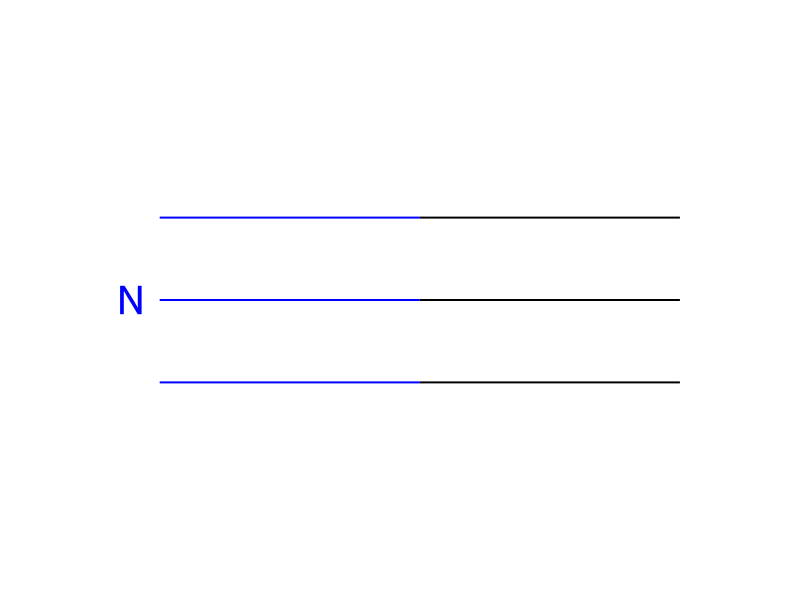



Product 1

Reagents, catalysts & solvents 3

Procedure
The applicant of published Japanese application JP-A 57-116038 attempted to improve the method cited referring to the previously evaluated DE-AS 10 85 871 and DE-PS 12 40 854. According to the comparison tests disclosed in the Japanese document, a yield of 53.7% was obtained using a methanolic NaOH solution as catalyst (0.9 ml 15% NaOH per 204 g isophorone) after a total reaction time of 4.5 hours and a yield of 71.1% was obtained using K2CO3 as catalyst (4.9 g K2CO3 per 192.2 g isophorone) and also using dimethylformamide. In contrast published Japanese application JP-A-116038 teaches the reaction of hydrogen cyanide in the presence of basic catalysts such as e.g. alkali-metal cyanides, -carbonates, -oxides, -hydroxides and -alcoholates, and glycols with isophorone. The glycols are added in an amount 1 to 50 times greater than the catalyst. High yields of isophorone nitrile are disclosed in the examples, but the reaction times using sodium and potassium carbonate or sodium cyanide are in the range of the methods already previously known at the time. The space-time yield thus continued to remain unsatisfactory. As a result of the use of glycols, the workup becomes more expensive and the economy is reduced.
Workup
- customa yield of 53.7% was obtained
- customafter a total reaction time of 4.5 hours
- customa yield of 71.1% was obtained
Sources & evidence
- ORD record
- ord-5a23ed066aa445f8b24ac873f2368d1e
- Source dataset
- uspto-grants-1992_02
- Patent number
- US05091554
Reaction notes
Loading…