Hydrochloric Acid → 3,5-Dichlorobenzoic acid
Reaction equation

N[C:2]1[C:10]([Cl:11])=[CH:9][C:8]([Cl:12])=[CH:7][C:3]=1[C:4]([OH:6])=[O:5].[OH-].[Na+].N([O-])=O.[Na+].Cl.NC(N)=O>S([O-])([O-])(=O)=O.[Cu+2].O.CO>[Cl:11][C:10]1[CH:2]=[C:3]([CH:7]=[C:8]([Cl:12])[CH:9]=1)[C:4]([OH:6])=[O:5]Participants






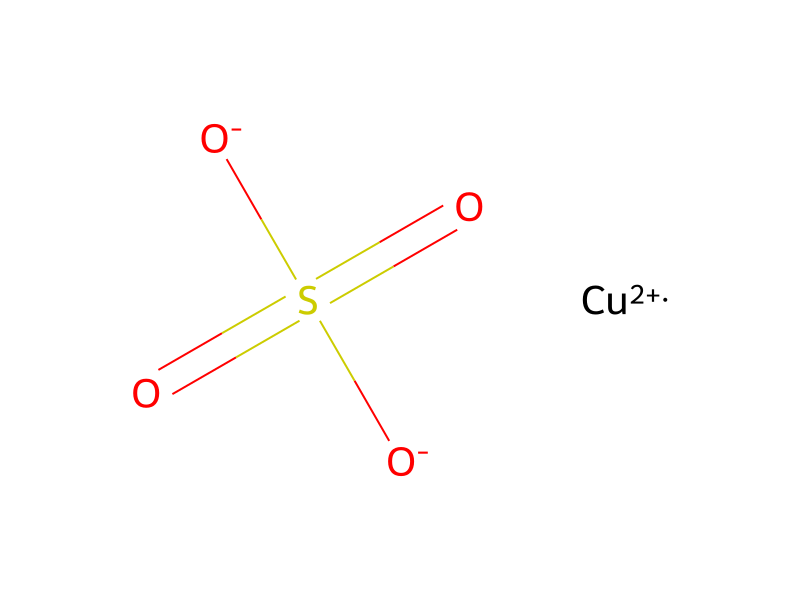


Procedure
206 parts of 2-amino-3,5-dichlorobenzoic acid is introduced into 1000 parts of water, then 180 parts of 50% by weight caustic soda solution and 70 parts of sodium nitrite are added and the mixture is allowed to flow while cooling into a mixture of 200 parts of water and 600 parts of concentrated hydrochloric acid (25% by weight strength). The mixture is stirred for another hour, 20 parts of urea is added and the whole is allowed to flow at 65°C with vigorous evolution of nitrogen into a mixture of 70 parts of methanol, 400 parts of water and 3 parts of copper(II) sulfate. The mixture is stirred for another 25 minutes, cooled to ambient temperature and suction filtered. 183 parts (96% of theory) of 3,5-dichlorobenzoic acid is obtained having a melting point of 179° to 181°C.
Workup
- stirringThe mixture is stirred for another 25 minutes
- filtrationsuction filtered
Sources & evidence
- ORD record
- ord-e626093a073a4958b62dcf014e5419fe
- Source dataset
- uspto-grants-1976_01
- Patent number
- US03931300
Reaction notes
Loading…