Pyrrole → HCID 131717997, compound
Reaction equation

[H-].[Na+].[C:3]1([B:9]([C:16]2[CH:21]=[CH:20][CH:19]=[CH:18][CH:17]=2)[C:10]2[CH:15]=[CH:14][CH:13]=[CH:12][CH:11]=2)[CH:8]=[CH:7][CH:6]=[CH:5][CH:4]=1.[NH:22]1[CH:26]=[CH:25][CH:24]=[CH:23]1.O1CC[CH2:29][CH2:28]1>>[N:22]1([B-:9]([C:3]2[CH:4]=[CH:5][CH:6]=[CH:7][CH:8]=2)([C:10]2[CH:15]=[CH:14][CH:13]=[CH:12][CH:11]=2)[C:16]2[CH:17]=[CH:18][CH:19]=[CH:20][CH:21]=2)[CH:26]=[CH:25][CH:24]=[CH:23]1.[CH2:23]([N+:22]([CH2:21][CH3:16])([CH2:28][CH3:29])[CH2:26][CH3:25])[CH3:24]Participants
5




Procedure
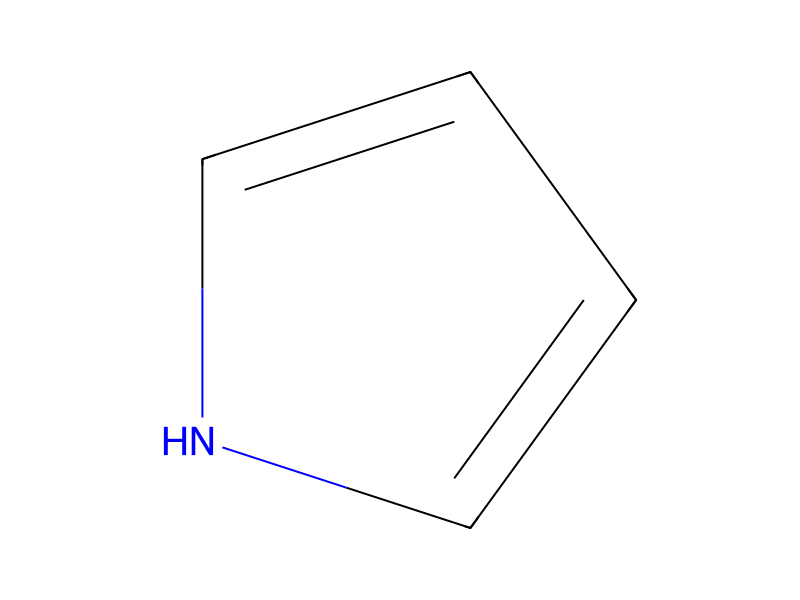
A mixtue of sodium hydride (0.45 g, 19 mmole) and triphenylboron (3.6 g, 15 mmole) in tetrahydrofuran (100 ml) was slowly added to a stirred solution of pyrrole (1.01 g, 15 mmole) in anhydrous tetrahydrofuran. The mixture was stirred for five hours under nitrogen at room temperature, and the resulting dark solution was filtered through filter paper and diluted with an equal amount of water. An excess of tetraethylammonium chloride solution was added slowly and the precipitate which formed was collected, dissolved in acetone and purified by addition of the acetone solution to water. The product tetraethylammonium (1-pyrrole)triphenylborate was collected (4.52 g, 72%).
Workup
- filtrationthe resulting dark solution was filtered
- filtrationthrough filter paper
- additiondiluted with an equal amount of water
- additionAn excess of tetraethylammonium chloride solution was added slowly
- customthe precipitate which formed
- customwas collected
- dissolutiondissolved in acetone
- custompurified by addition of the acetone solution to water
- customThe product tetraethylammonium (1-pyrrole)triphenylborate was collected (4.52 g, 72%)
Sources & evidence
- ORD record
- ord-cae19e5d231f46d5a1f0e442c4e1fe5f
- Source dataset
- uspto-grants-1993_06
- Patent number
- US05221761
Reaction notes
Loading…