Hydroxyphenylacetic acid → HCID 19766485, compound
Reaction equation

[OH:1][C:2]1[CH:7]=[CH:6][C:5]([CH2:8][C:9]([OH:11])=O)=[CH:4][CH:3]=1.[CH2:12](Br)[C:13]([C:15]1[CH:20]=[CH:19][CH:18]=[CH:17][CH:16]=1)=O.C([N:24](CC)CC)C>ClCCl>[OH:1][C:2]1[CH:3]=[CH:4][C:5]([CH2:8][C:9]2[O:11][CH:12]=[C:13]([C:15]3[CH:20]=[CH:19][CH:18]=[CH:17][CH:16]=3)[N:24]=2)=[CH:6][CH:7]=1Participants
Reactant 3
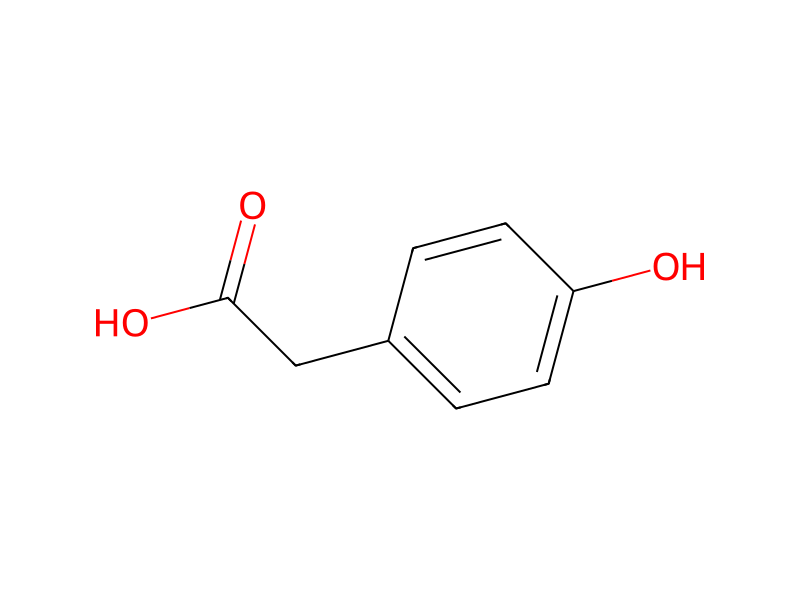
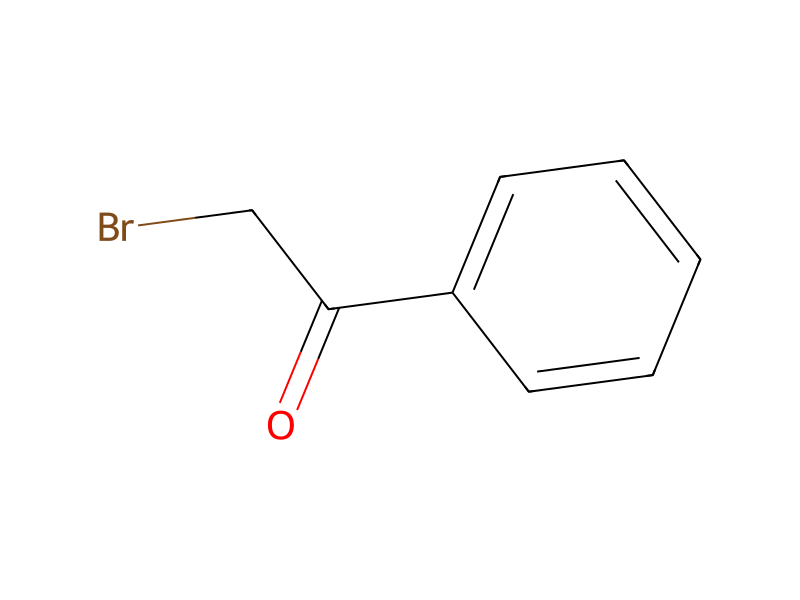

Product 1

Reagents, catalysts & solvents 1

Procedure
In 50 ml of dichloromethane, were dissolved 6.09 g of 4-hydroxyphenyl acetic acid and 7.96 g of phenacyl bromide were dissolved, to which 5.6 ml of triethylamine was added and stirred at room temperature for 2 days. After washing the reaction solution with a 10% hydrochloric acid, it was further washed with an aqueous saturated solution of sodium hydrogen carbonate. After distilling off the dichloromethane under a reduced pressure from the solution, the residue was dissolved in 80 ml of acetic acid and refluxed for three hours with addition of 12.3 g of ammonium acetate. The acetic acid was distilled off under a reduced pressure from the solution. The residue was dissolved in dichloromethane, washed with a 10% hydrochloric acid and an aqueous saturated solution of sodium hydrogen carbonate, and then, the dichloromethane layer was collected. After drying the liquid extract over magnesium sulfate, it was concentrated under a reduced pressure, adsorbed on silica gel column, eluted with chloroform and then crystallized from isopropyl ether to obtain 3.65 g of 2-(4-hydroxybenzyl)-4-phenyloxazole having the melting point of 122° to 124° C.
Workup
- additionwas added
- washAfter washing the reaction solution with a 10% hydrochloric acid, it
- washwas further washed with an aqueous saturated solution of sodium hydrogen carbonate
- distillationAfter distilling off the dichloromethane under a reduced pressure from the solution
- dissolutionthe residue was dissolved in 80 ml of acetic acid
- temperaturerefluxed for three hours with addition of 12.3 g of ammonium acetate
- distillationThe acetic acid was distilled off under a reduced pressure from the solution
- dissolutionThe residue was dissolved in dichloromethane
- washwashed with a 10% hydrochloric acid
- customan aqueous saturated solution of sodium hydrogen carbonate, and then, the dichloromethane layer was collected
- customAfter drying the liquid
- extractionextract over magnesium sulfate, it
- concentrationwas concentrated under a reduced pressure
- washeluted with chloroform
- customcrystallized from isopropyl ether
Sources & evidence
- ORD record
- ord-a0f2274603d545b189be992fd6b58a2e
- Source dataset
- uspto-grants-1993_04
- Patent number
- US05206255
Reaction notes
Loading…