NADPH → NADPH
Reaction equation

C(OO)(C)(C)C.[CH:7]1[N:8]=[C:9]([NH2:54])[C:10]2[N:15]=[CH:14][N:13]([C@@H:16]3[O:20][C@H:19]([CH2:21][O:22][P:23]([O:26][P:27]([O:30][CH2:31][C@H:32]4[O:36][C@@H:35]([N:37]5[CH:42]=[C:41]([C:43]([NH2:45])=[O:44])[CH2:40][CH:39]=[CH:38]5)[C@H:34]([OH:46])[C@@H:33]4[OH:47])([OH:29])=[O:28])([OH:25])=[O:24])[C@@H:18]([OH:48])[C@H:17]3[O:49][P:50]([OH:53])([OH:52])=[O:51])[C:11]=2[N:12]=1.[CH:55]1[N:56]=[C:57]([NH2:98])[C:58]2[N:63]=[CH:62][N:61]([C@@H:64]3[O:68][C@H:67]([CH2:69][O:70][P:71]([O:74][P:75]([O:78][CH2:79][C@H:80]4[O:84][C@@H:83]([N:85]5[CH:90]=[C:89]([C:91]([NH2:93])=[O:92])[CH2:88][CH:87]=[CH:86]5)[C@H:82]([OH:94])[C@@H:81]4[OH:95])([OH:77])=[O:76])([OH:73])=[O:72])[C@@H:66]([OH:96])[C@H:65]3[OH:97])[C:59]=2[N:60]=1.[C-]#N>>[C-:7]#[N:8].[CH:39]1[CH:38]=[N+:37]([C@@H:35]2[O:36][C@H:32]([CH2:31][O:30][P:27]([O:26][P:23]([O:22][CH2:21][C@H:19]3[O:20][C@@H:16]([N:13]4[C:11]5[N:12]=[CH:7][N:8]=[C:9]([NH2:54])[C:10]=5[N:15]=[CH:14]4)[C@H:17]([O:49][P:50]([OH:52])([OH:53])=[O:51])[C@@H:18]3[OH:48])([OH:25])=[O:24])([OH:29])=[O:28])[C@@H:33]([OH:47])[C@H:34]2[OH:46])[CH:42]=[C:41]([C:43]([NH2:45])=[O:44])[CH:40]=1.[CH:55]1[N:56]=[C:57]([NH2:98])[C:58]2[N:63]=[CH:62][N:61]([C@@H:64]3[O:68][C@H:67]([CH2:69][O:70][P:71]([O:74][P:75]([O:78][CH2:79][C@H:80]4[O:84][C@@H:83]([N:85]5[CH:90]=[C:89]([C:91]([NH2:93])=[O:92])[CH2:88][CH:87]=[CH:86]5)[C@H:82]([OH:94])[C@@H:81]4[OH:95])([OH:77])=[O:76])([OH:73])=[O:72])[C@@H:66]([OH:96])[C@H:65]3[OH:97])[C:59]=2[N:60]=1.[CH:7]1[N:8]=[C:9]([NH2:54])[C:10]2[N:15]=[CH:14][N:13]([C@@H:16]3[O:20][C@H:19]([CH2:21][O:22][P:23]([O:26][P:27]([O:30][CH2:31][C@H:32]4[O:36][C@@H:35]([N:37]5[CH:42]=[C:41]([C:43]([NH2:45])=[O:44])[CH2:40][CH:39]=[CH:38]5)[C@H:34]([OH:46])[C@@H:33]4[OH:47])([OH:29])=[O:28])([OH:25])=[O:24])[C@@H:18]([OH:48])[C@H:17]3[O:49][P:50]([OH:53])([OH:52])=[O:51])[C:11]=2[N:12]=1Participants



Procedure
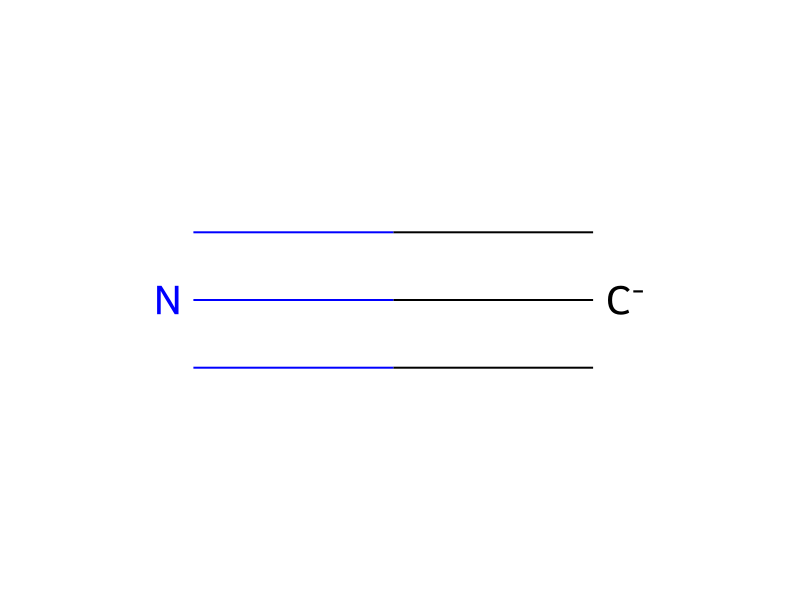
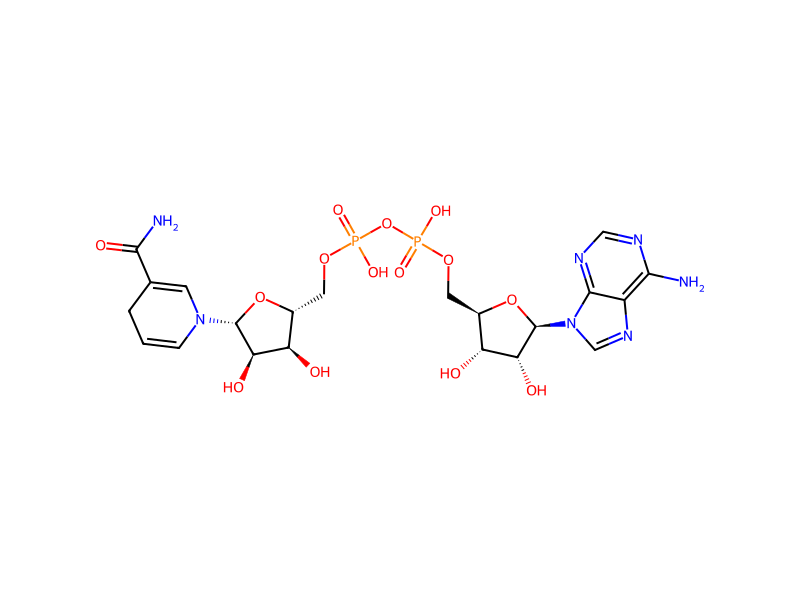
Male C57 B 1/6 mice, 8 months old, were treated ICV with tBuOOH (110 mg/kg) and maintained for 2, 5, 20 or 120 minutes. Anesthetized tBuOOH treated mice were immersed in liquid nitrogen to freeze their brains. The frozen brains were removed and dissected over dry ice. The brain regions were homogenized and analyzed by HPLC to determine NAD, NADH, NADP and NADPH levels as described previously. It is very important to stabilize the pyridine dinucleotides to prevent artifactual oxidation. NAD and NADP were stabilized by homogenization of brain regions in a cyanide containing solution. The cyanide reacts with the compounds forming cyano adducts that are stable. NADPH and NADH were stabilized by homogenizing brain regions in basic solution. NADPH and NADH are stable in base. Fortunately, the cyanide reaction proceeds optimally in base. Therefore, use of basic cyanide solutions during the homogenization produced optimal stabilization of NAD, NADP, NADH and NADPH. Following extraction with chloroform, centrifugation at 12,000 g for 5 minutes at 5° C., and filtration through 0.45μ positively charged nylon filters to remove DNA, the supernatants were injected onto a reverse phase HPLC column ("REXCHROME" ODS 5μ, Regis, Morton Grove, Ill.). Fluorescence detection (330 nm, excitation, 460 nm emission) was used to detect fluorescent NADH, NADPH and the cyano adducts of NAD and NADP.
Workup
- temperaturemaintained for 2, 5, 20 or 120 minutes
- customThe frozen brains were removed
- customThe cyanide reacts with the compounds
- customforming cyano adducts that
- stirringby homogenizing brain regions in basic solution
Sources & evidence
- ORD record
- ord-1d43e4459be942aa83bc84158c25570c
- Source dataset
- uspto-grants-1998_04
- Patent number
- US05736529
Reaction notes
Loading…