Potassium Carbonate → HCID 18932892, compound
Reaction equation

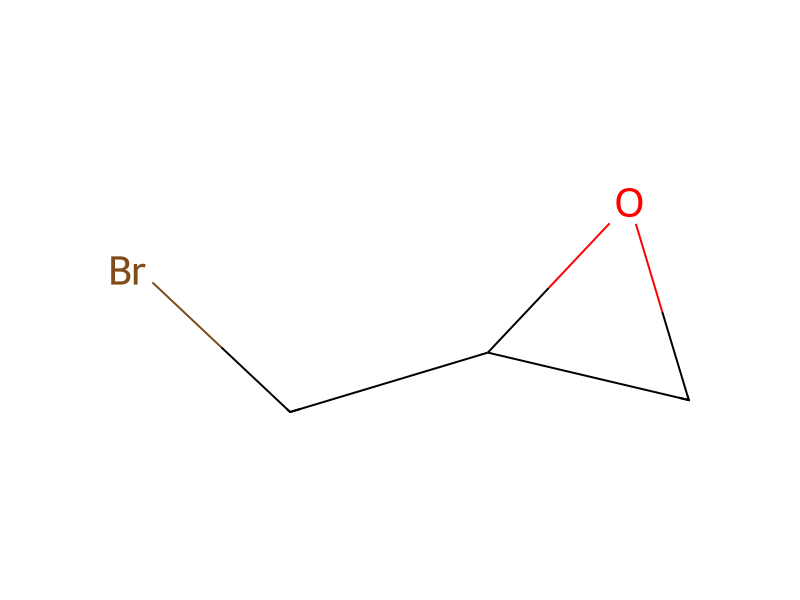
[Cl:1][C:2]1[CH:10]=[C:9]2[C:5]([CH2:6][CH2:7][N:8]2[C:11]2[C:20]3[C:15](=[CH:16][C:17]([OH:22])=[C:18]([OH:21])[CH:19]=3)[N:14]=[CH:13][N:12]=2)=[CH:4][CH:3]=1.C([O-])([O-])=O.[K+].[K+].O.O.O.O.O.[OH-].C[N+](C)(C)C.[CH2:40]([CH:42]1[O:44][CH2:43]1)Br>CN(C=O)C.O>[Cl:1][C:2]1[CH:10]=[C:9]2[C:5]([CH2:6][CH2:7][N:8]2[C:11]2[C:20]3[C:15](=[CH:16][C:17]4[O:22][CH2:40][CH:42]([CH2:43][OH:44])[O:21][C:18]=4[CH:19]=3)[N:14]=[CH:13][N:12]=2)=[CH:4][CH:3]=1Participants
7





Conditions
- Temperature
- 50 °C
Procedure
To 4-(6-chloro-2,3-dihydro-indol-1-yl)-quinazoline-6,7-diol (99 mg, 0.316 mmol; from Example 69) dissolved in DMF (2 mL) was added H2O (100 μL), K2CO3 (s) (65 mg, 0.473 mmol), and tetramethylammonium hydroxide pentahydrate (11 mg, 0.06 mmol) followed by epibromohydrin (28 μL, 0.331 mmol). The mixture was stirred at 50° C. under N2(g) for 16 hours. Following extractive work-up, and chromatography on silica (20% acetone/CH2Cl2) analogous to that described for Example 78 the product was obtained in 11% yield. (M.P. 219°-222° C. (dec); LC-MS: 370 (MH+); anal. RP18-HPLC RT: 3.98 min.).
Workup
- customwas obtained in 11% yield
Sources & evidence
- ORD record
- ord-ed260943d9d14fa584b965e7587255f9
- Source dataset
- uspto-grants-1998_04
- Patent number
- US05736534
Reaction notes
Loading…