4-Methyl-5-(2-hydroxyethyl)thiazole → 5-(Acryloyloxyethyl)-4-methylthiazole
Reaction equation

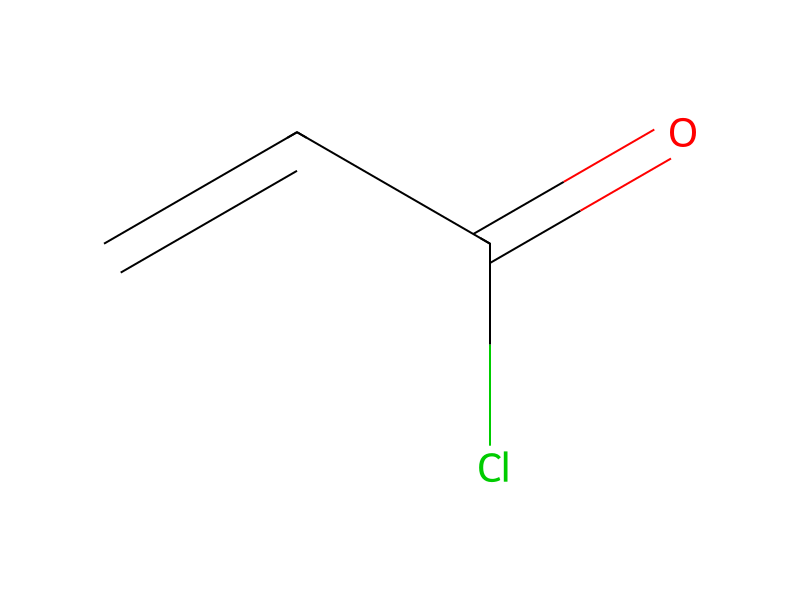
[OH:1][CH2:2][CH2:3][C:4]1[S:8][CH:7]=[N:6][C:5]=1[CH3:9].C(N(CC)CC)C.[C:17](Cl)(=[O:20])[CH:18]=[CH2:19]>C1C2NC3C(=CC=CC=3)SC=2C=CC=1.C(Cl)(Cl)Cl>[C:17]([O:1][CH2:2][CH2:3][C:4]1[S:8][CH:7]=[N:6][C:5]=1[CH3:9])(=[O:20])[CH:18]=[CH2:19]Participants
6





Procedure
A one liter, three necked flask was equipped with overhead stirrer, nitrogen atmosphere and an addition funnel. The flask was charged with 100 g of 5-(2-hydroxyethyl)-4-methylthiazole (0.70 mol.), 71 g of triethylamine (0.70 mol.), 500 g of chloroform and 3 g of phenothiazine. Next, 63 g of acryloyl chloride (0.70 mol.) was slowly added to the reaction over 1.5 hour via the addition funnel. The reaction was stirred for 2 hours at room temperature. The reaction mixture was extracted with NaCl(aq.), NH4OH(10%), NaCl(aq.) and dried over MgSO4. The chloroform was evaporated with a rotoevaporator to yield 113 g (82%) of a dark brown liquid. The product was confirmed by IR and 13C NMR.
Workup
- customA one liter, three necked flask was equipped with overhead stirrer
- extractionThe reaction mixture was extracted with NaCl(aq.), NH4OH(10%), NaCl(aq.)
- dry with materialdried over MgSO4
- customThe chloroform was evaporated with a rotoevaporator
Sources & evidence
- ORD record
- ord-41b1c16d6cd449089178d810faab38b3
- Source dataset
- uspto-grants-1998_04
- Patent number
- US05736747
Reaction notes
Loading…