Hydrochloric Acid → 4-Methoxy-6-(trifluoromethyl)-1,3,5-triazin-2-amine
Reaction equation

[Cl-].[Ca+2].[Cl-].[C:4]([NH:6][C:7]([NH2:9])=[NH:8])#[N:5].[F:10][C:11]([F:17])([F:16])[C:12](OC)=O.[CH3:18][O-:19].[Na+].Cl>CO>[NH2:8][C:7]1[N:6]=[C:4]([O:19][CH3:18])[N:5]=[C:12]([C:11]([F:10])([F:16])[F:17])[N:9]=1Participants






Procedure
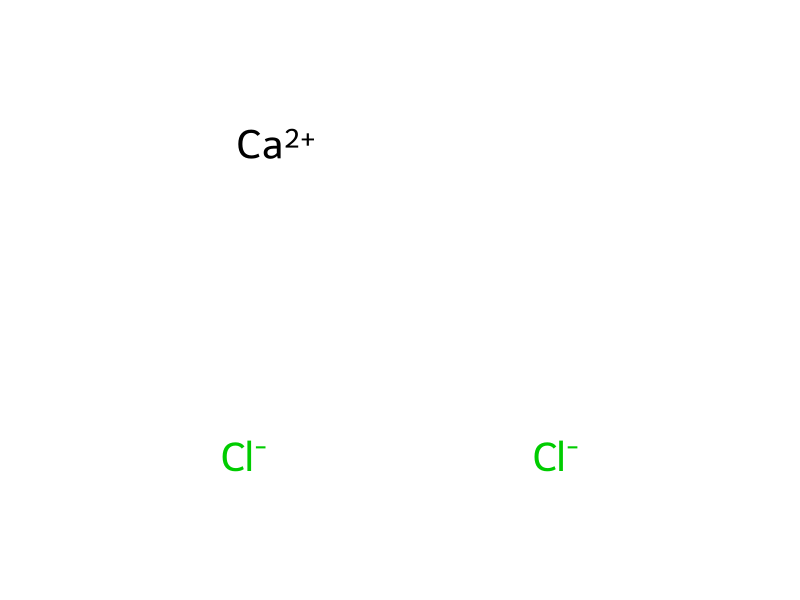
56.6 g (0.5 mol) of calcium chloride (98%, powdered) and 210 g (2.5 mol) of N-cyanoguanidine are initially introduced into 2 l of methanol. The mixture is heated with stirring to reflux temperature and stirred under reflux for one hour, whereupon a homogeneous solution is obtained. The mixture is then cooled to room temperature and 640 g (5.0 mol) of methyl trifluoroacetate and then, in the course of 25 minutes, 450 g (2.5 mol) of a solution of sodium methoxide (30% by weight in methanol) are added, whereupon a white precipitate deposits. After heating under reflux for 2 hours, the mixture is cooled to room temperature and a pH of about 6 is set by addition of conc. hydrochloric acid. The methanol is then distilled off, about 2 l of water are added little by little, and the deposited, finely crystalline white crystals are separated off and dried in vacuo.
Workup
- temperatureThe mixture is heated
- temperatureto reflux temperature
- stirringstirred
- temperatureunder reflux for one hour, whereupon a homogeneous solution
- customis obtained
- temperatureAfter heating
- temperatureunder reflux for 2 hours
- temperaturethe mixture is cooled to room temperature
- distillationThe methanol is then distilled off
- additionabout 2 l of water are added little by little, and the
- customfinely crystalline white crystals are separated off
- customdried in vacuo
Sources & evidence
- ORD record
- ord-8fbfa7e4787143478cf960890bb7a948
- Source dataset
- uspto-grants-1998_04
- Patent number
- US05739328
Reaction notes
Loading…