Hydrochloric Acid → Donepezil Hydrochloride
Reaction equation

[CH3:1][O:2][C:3]1[CH:4]=[C:5]2[CH2:14][CH:13]([CH2:15][CH:16]3[CH2:21][CH2:20][N:19]([CH2:22][C:23]4[CH:24]=[CH:25][CH:26]=[CH:27][CH:28]=4)[CH2:18][CH2:17]3)[C:11](=[O:12])[C:6]2=[CH:7][C:8]=1[O:9][CH3:10].[ClH:29].CC(OC)(C)C>CS(C)=O>[CH3:1][O:2][C:3]1[CH:4]=[C:5]2[CH2:14][CH:13]([CH2:15][CH:16]3[CH2:17][CH2:18][N:19]([CH2:22][C:23]4[CH:28]=[CH:27][CH:26]=[CH:25][CH:24]=4)[CH2:20][CH2:21]3)[C:11](=[O:12])[C:6]2=[CH:7][C:8]=1[O:9][CH3:10].[ClH:29]Participants
5
Reactant 3


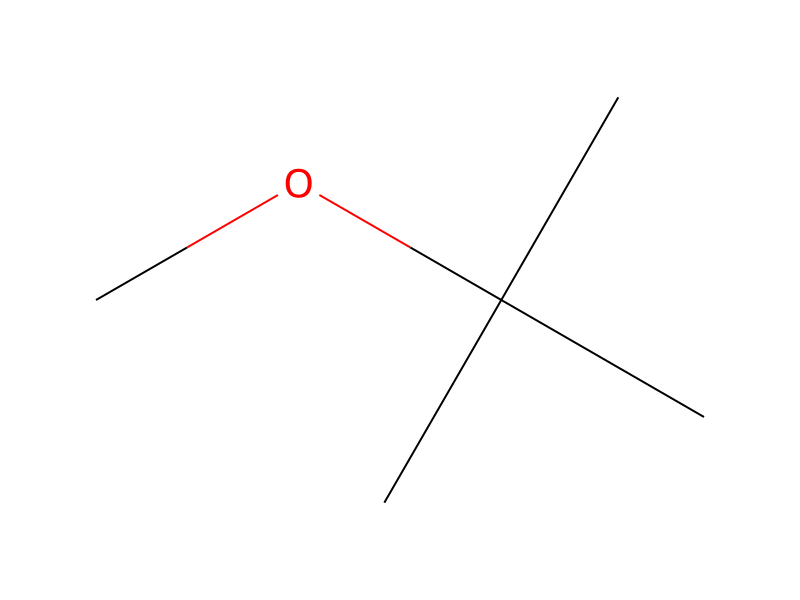
Product 1

Reagents, catalysts & solvents 1

Procedure
1.0 g of Donepezil was almost dissolved in 9 ml of DMSO at 20° C. 0.31 g of Concentrated hydrochloric acid in 1 ml of DMSO was added hereinto. After stirring for 1 hour at room temperature, 30 ml of TBME was added hereinto. It continued stirring over night at room temperature. Filtration of the separated crystals followed by drying afforded 0.97 g of the title compound. (water content: 0.25%)
Workup
- stirringIt continued stirring over night at room temperature
- filtrationFiltration of the separated crystals
- customby drying
Sources & evidence
- ORD record
- ord-960d8b7761b44361a874c0cc7eb20ee0
- Source dataset
- uspto-grants-1999_11
- Patent number
- US05985864
Reaction notes
Loading…