Potassium Iodide → 1-(3-Bromopropoxy)-3-nitrobenzene
Reaction equation

[Br:1][CH2:2][CH2:3][CH2:4]Br.C(=O)([O-])[O-].[K+].[K+].[I-].[K+].[N+:14]([C:17]1[CH:18]=[C:19]([OH:23])[CH:20]=[CH:21][CH:22]=1)([O-:16])=[O:15]>CC(C)=O>[Br:1][CH2:2][CH2:3][CH2:4][O:23][C:19]1[CH:18]=[C:17]([N+:14]([O-:16])=[O:15])[CH:22]=[CH:21][CH:20]=1Participants
6
Reactant 4


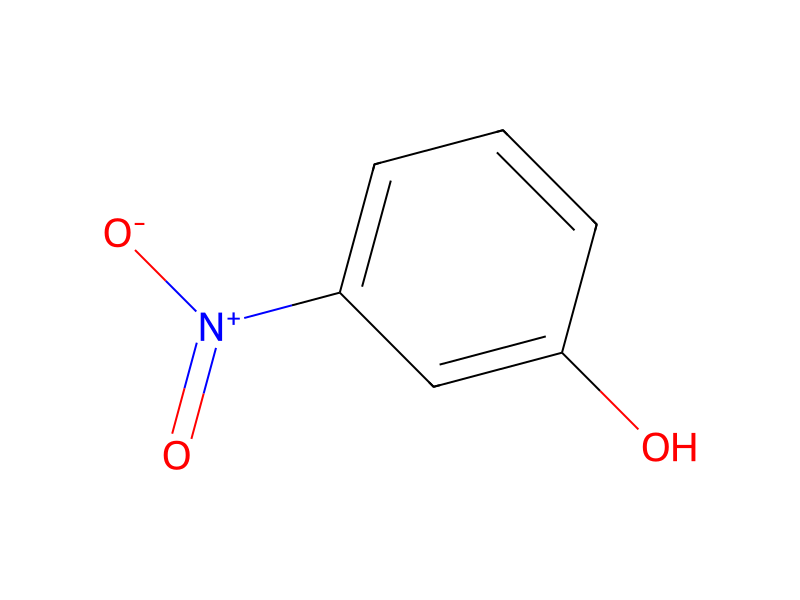

Product 1

Reagents, catalysts & solvents 1

Procedure
43 ml of 1,3-dibromopropane are added to a suspension of 29 g of potassium carbonate and 0.5 g of potassium iodide in 170 ml of acetone and the whole is heated under reflux. A solution of 19.4 g of 3-nitrophenol is then added dropwise thereto in the course of 2 hours and the whole is heated for a further 15 hours under reflux. The reaction mixture is filtered while hot and concentrated by evaporation. After chromatography of the residue over silica gel using toluene, 3-(3-bromopropoxy)-nitrobenzene is obtained in the form of a light yellow oil.
Workup
- temperaturethe whole is heated
- temperatureunder reflux
- temperaturein the course of 2 hours and the whole is heated for a further 15 hours
- temperatureunder reflux
- filtrationThe reaction mixture is filtered while hot and
- concentrationconcentrated by evaporation
Sources & evidence
- ORD record
- ord-86790444b3984350a7417d8f286d44c9
- Source dataset
- uspto-grants-1989_09
- Patent number
- US04863942
Reaction notes
Loading…