Ethyl formate → 3,5-Dichloropyrazine-2-carbaldehyde
Reaction equation

C([Li])CCC.CC1(C)CCCC(C)(C)N1.[Cl:16][C:17]1[CH:22]=[N:21][CH:20]=[C:19]([Cl:23])[N:18]=1.[CH:24](OCC)=[O:25]>C1COCC1>[Cl:16][C:17]1[C:22]([CH:24]=[O:25])=[N:21][CH:20]=[C:19]([Cl:23])[N:18]=1Participants
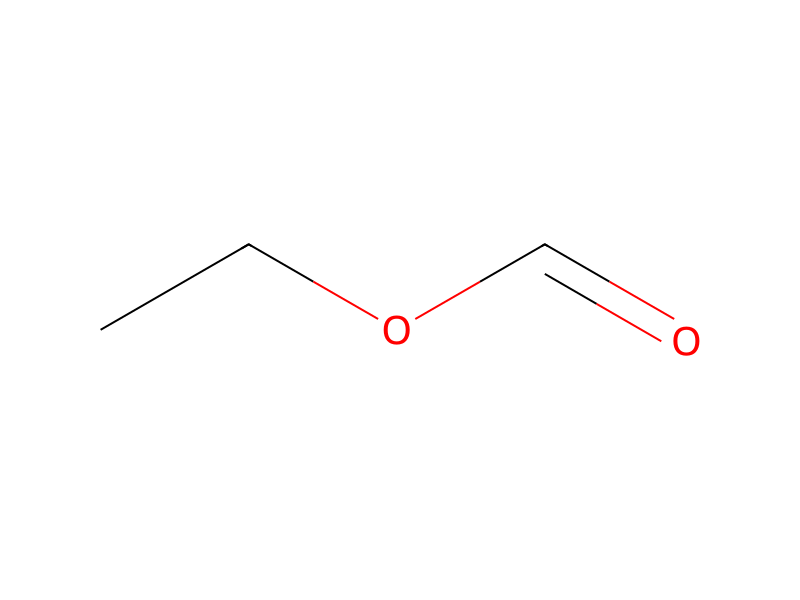
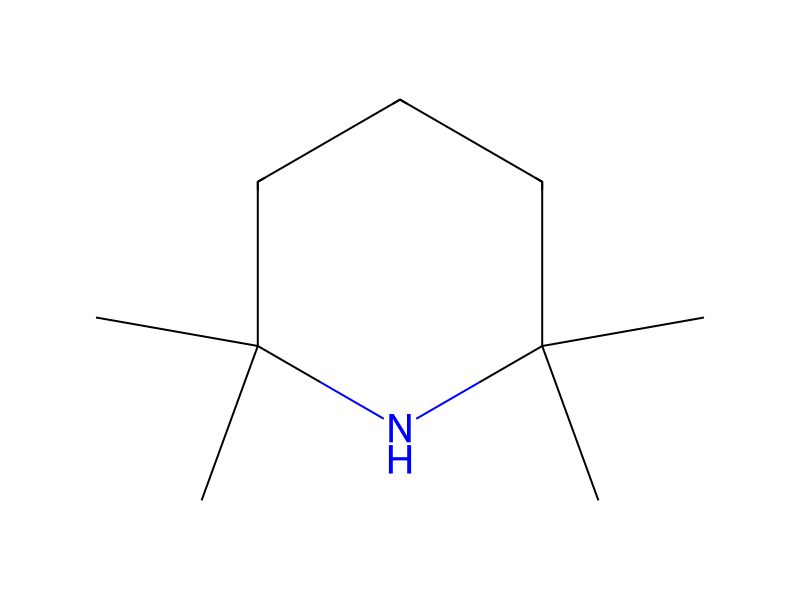




Procedure
To THF (200 mL) at −30° C. under N2 is added n-butyllithium (2.5 M in hexane, 8 mL, 20 mmol), followed by 2,2,6,6-tetramethylpiperidine (3.5 mL, 20.5 mmol). The mixture is warmed to room temperature and stirred at this temperature for 10 minutes. After the mixture is cooled to −78° C., 2,6-dichloropyrazine (2.5 g, 16.75 mmol) in THF (25 mL) is added and the mixture is stirred at this temperature for 1 hour. To the mixture is added ethyl formate (2 mL, 24.4 mmol) and the mixture is stirred at this temperature for an additional 2 hours. The reaction is quenched with saturated NH4Cl (25 mL), warmed to room temperature, and diluted with ethyl acetate (200 mL). The organic layer is separated and dried, and solvent removed. Column chromatography on silica gel (15% ethyl acetate in hexane) gives 2.4 g of 3,5-dichloro-pyrazine-2-carbaldehyde as an oil.
Workup
- temperatureAfter the mixture is cooled to −78° C.
- stirringthe mixture is stirred at this temperature for 1 hour
- stirringthe mixture is stirred at this temperature for an additional 2 hours
- customThe reaction is quenched with saturated NH4Cl (25 mL)
- temperaturewarmed to room temperature
- additiondiluted with ethyl acetate (200 mL)
- customThe organic layer is separated
- customdried
- customsolvent removed
Sources & evidence
- ORD record
- ord-c783996d71a0441da82815077e4210db
- Source dataset
- uspto-grants-2006_01
- Patent number
- US06982268B2
Reaction notes
Loading…