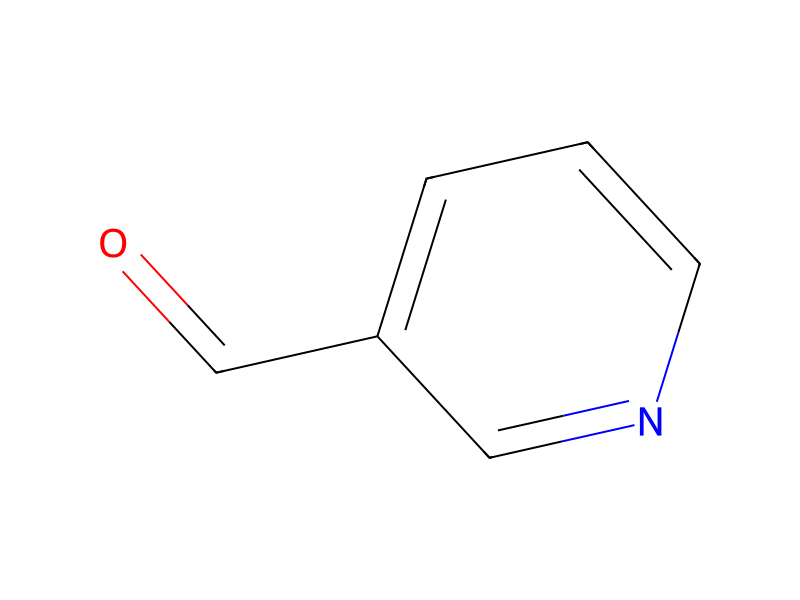
3-Pyridinecarboxaldehyde → Hydrochloric Acid
Reaction equation

[Cl:1][C:2]1[CH:15]=[CH:14][C:13]2[S:12][C:11]3[C:6](=[CH:7][CH:8]=[CH:9][CH:10]=3)[N:5]([CH:16]3[CH2:21][CH2:20][CH2:19][NH:18][CH2:17]3)[C:4]=2[CH:3]=1.[N:22]1[CH:27]=[CH:26][CH:25]=[C:24](C=O)[CH:23]=1.[C:30](O[BH-](OC(=O)C)OC(=O)C)(=O)C.[Na+]>>[Cl:1][C:2]1[CH:15]=[CH:14][C:13]2[S:12][C:11]3[C:6](=[CH:7][CH:8]=[CH:9][CH:10]=3)[N:5]([CH:16]3[CH2:21][CH2:20][CH2:19][N:18]([C:24]4[CH:23]=[N:22][CH:27]=[CH:26][CH:25]=4)[CH:17]3[CH3:30])[C:4]=2[CH:3]=1.[ClH:1]Participants
5




Procedure
2-chloro-10-(1-pyridin-3-yl-methylpiperidin-3-yl)-10H-phenothiazine was prepared by treatment of 2-chloro-10-piperidin-3-yl-10H-phenothiazine (240 mg, 0.757 mmol) and 3-pyridinecarboxaldehyde (81 mg, 0.757 mmol) with sodium triacetoxyborohydride (224 mg, 1.06 mmol) to provide after treatment with ethereal HCl, the sub-titled compound (136 mg, 41%).
Sources & evidence
- ORD record
- ord-056fb73d38c14a13b61c614a0e2bcd74
- Source dataset
- uspto-grants-2006_01
- Patent number
- US06992082B2
Reaction notes
Loading…