Hydrochloric Acid → HCID 22252356, compound
Reaction equation

B.[ClH:2].Cl.[CH3:4][N:5]([C:21]1[CH:26]=[C:25]([O:27][CH3:28])[C:24]([O:29][CH3:30])=[C:23]([O:31][CH3:32])[CH:22]=1)[C:6](=O)[CH2:7][CH2:8][CH2:9][N:10]1[CH2:15][CH2:14][N:13]2[CH2:16][CH2:17][CH2:18][CH2:19][CH:12]2[CH2:11]1.Cl>O1CCCC1>[ClH:2].[ClH:2].[ClH:2].[CH3:4][N:5]([CH2:6][CH2:7][CH2:8][CH2:9][N:10]1[CH2:15][CH2:14][N:13]2[CH2:16][CH2:17][CH2:18][CH2:19][CH:12]2[CH2:11]1)[C:21]1[CH:26]=[C:25]([O:27][CH3:28])[C:24]([O:29][CH3:30])=[C:23]([O:31][CH3:32])[CH:22]=1Participants
5
Reactant 3

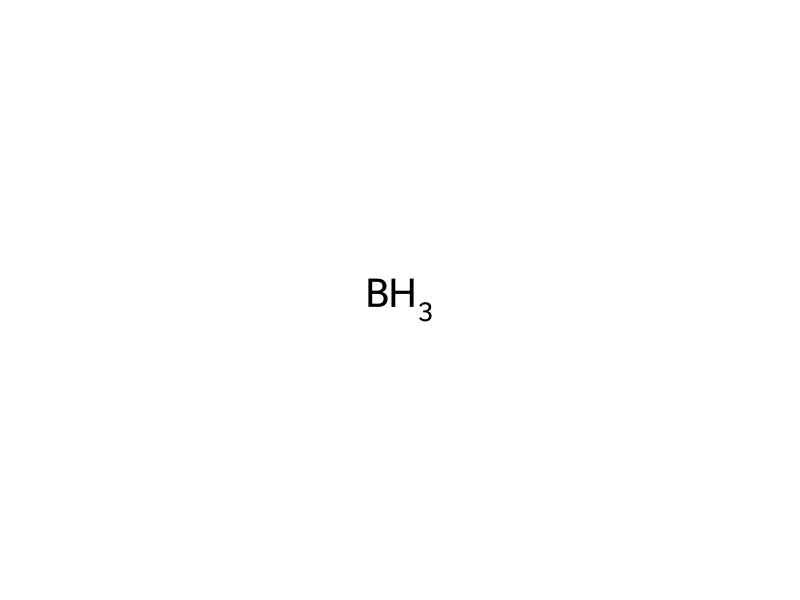

Product 1

Reagents, catalysts & solvents 1

Procedure
10 ml of a 1M solution of borane in tetrahydrofuran are added to 0.4 g of the compound obtained in Example 35 in solution, under argon, in 50 ml of tetrahydroftiran and the mixture is refluxed for 8 hours. After hydrolysis with 2 ml of 4N hydrochloric acid, evaporation to dryness and conversion to the base, the hydrochloride is prepared using an ethanolic hydrogen chloride solution.
Workup
- temperaturethe mixture is refluxed for 8 hours
- customAfter hydrolysis
- customwith 2 ml of 4N hydrochloric acid, evaporation to dryness and conversion to the base
Sources & evidence
- ORD record
- ord-0e3d3c17c6094943aabe40be91efc42c
- Source dataset
- uspto-grants-2006_01
- Patent number
- US06992085B2
Reaction notes
Loading…