2-Chlorobenzaldehyde → 1-(Pyrid-3-yl)-2-(2-chlorophenyl)-2-hydroxyethanone
Reaction equation

[Cl:1][C:2]1[CH:9]=[CH:8][CH:7]=[CH:6][C:3]=1[CH:4]=[O:5].[N:10]1[CH:15]=[CH:14][CH:13]=[C:12]([CH:16]=[O:17])[CH:11]=1.C(N(CC)CC)C>[Br-].C([N+]1C(C)=C(CCO)SC=1)C.C(O)C>[N:10]1[CH:15]=[CH:14][CH:13]=[C:12]([C:16](=[O:17])[CH:4]([C:3]2[CH:6]=[CH:7][CH:8]=[CH:9][C:2]=2[Cl:1])[OH:5])[CH:11]=1Participants
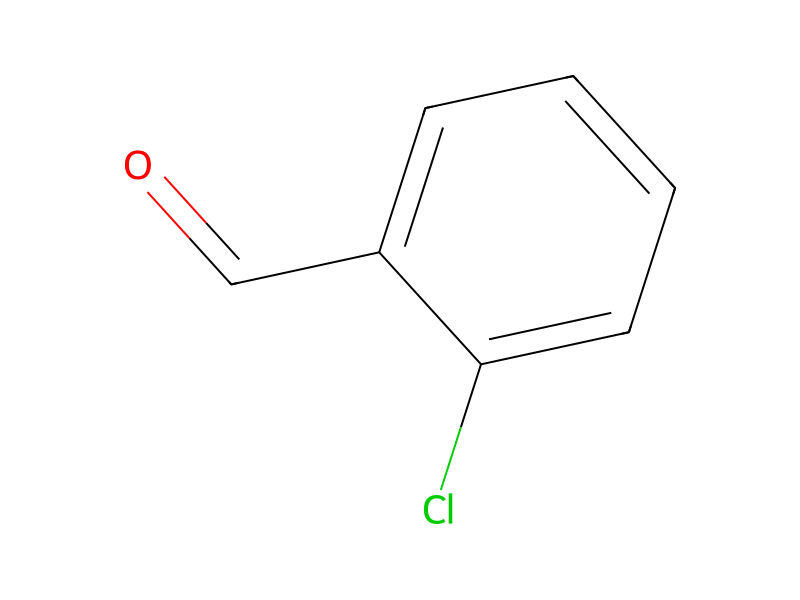

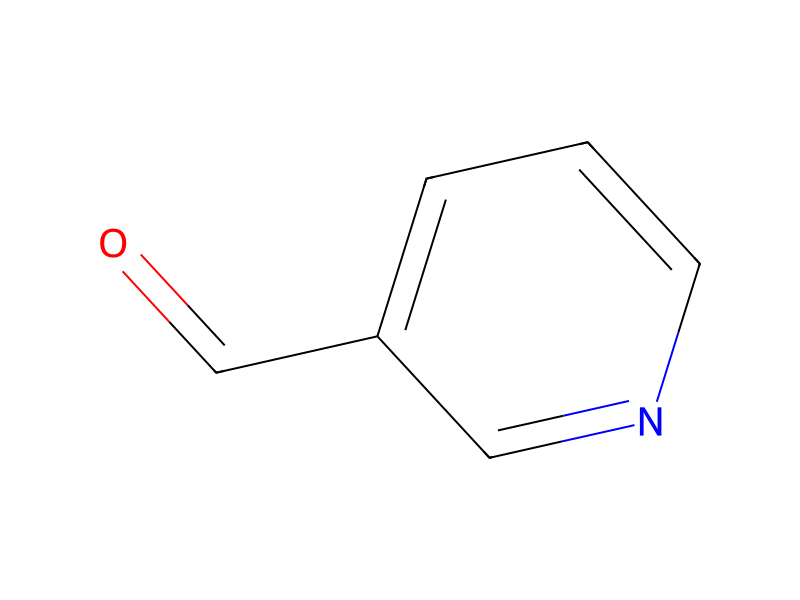



Procedure
160 g (1.14 mol) of 2-chlorobenzaldehyde, 122 g (1.14 mol) of 3-pyridinealdehyde, 50 g (0.2 mol) of 3-ethyl-5-(2-hydroxyethyl)-4-methylthiazoliumbromide and 60.6 g (0.6 mol) of triethylamine in one liter of ethanol were heated at 75° C. for 13 hours. Thereafter, the ethanol was distilled off and the residue was dissolved in methylene chloride. The solution was washed twice with water and then extracted twice with 300 ml of 4N hydrochloric acid. The acidic aqueous phase was then rendered slightly alkaline with 4N sodium hydroxide solution and extracted three times with fresh methylene chloride. After the solvent had been distilled off, the crude product was stirred with isopropanol, filtered off under suction and dried to give a product of melting point 92° C.
Workup
- distillationThereafter, the ethanol was distilled off
- dissolutionthe residue was dissolved in methylene chloride
- washThe solution was washed twice with water
- extractionextracted twice with 300 ml of 4N hydrochloric acid
- extractionextracted three times with fresh methylene chloride
- distillationAfter the solvent had been distilled off
- filtrationfiltered off under suction
- customdried
- customto give a product of melting point 92° C.
Sources & evidence
- ORD record
- ord-908219f3f9f24b2c9752eef9575872a0
- Source dataset
- uspto-grants-1993_03
- Patent number
- US05194441
Reaction notes
Loading…