Benzaldehyde → 1,3-Dioxane-4,6-dione, 5-(1H-indol-3-ylphenylmethyl)-2,2-dimethyl-
Reaction equation

[NH:1]1[C:9]2[C:4](=[CH:5][CH:6]=[CH:7][CH:8]=2)[CH:3]=[CH:2]1.[CH3:10][C:11]1([CH3:19])[O:18][C:16](=[O:17])[CH2:15][C:13](=[O:14])[O:12]1.[CH:20](=O)[C:21]1[CH:26]=[CH:25][CH:24]=[CH:23][CH:22]=1>N1CCC[C@H]1C(O)=O.C(#N)C>[CH3:10][C:11]1([CH3:19])[O:18][C:16](=[O:17])[CH:15]([CH:20]([C:3]2[C:4]3[C:9](=[CH:8][CH:7]=[CH:6][CH:5]=3)[NH:1][CH:2]=2)[C:21]2[CH:26]=[CH:25][CH:24]=[CH:23][CH:22]=2)[C:13](=[O:14])[O:12]1Participants
6




Procedure
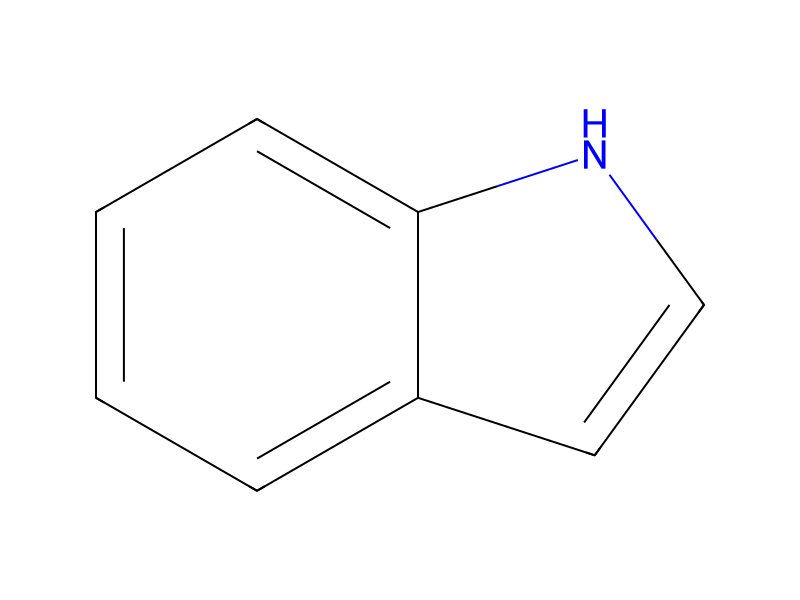
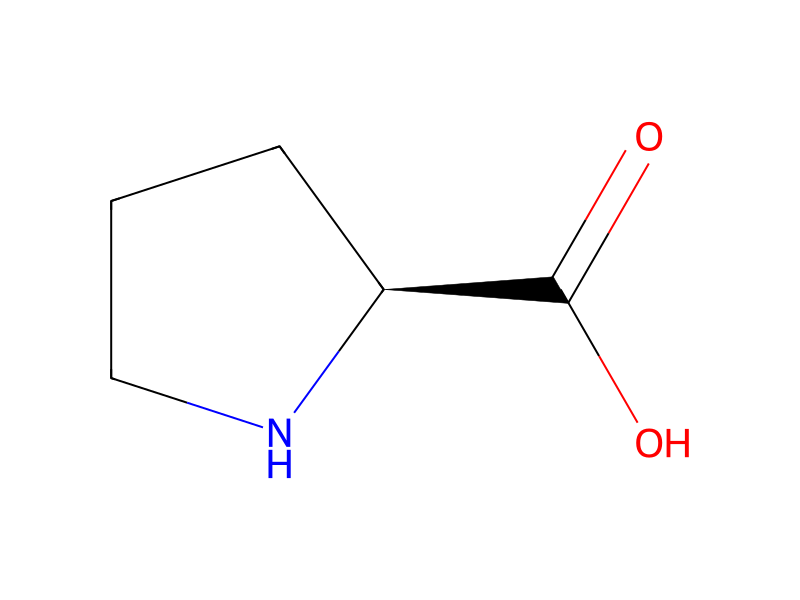
Indole (10 g, 85 mmol), Meldrum's acid (12.3 g, 85 mmol), benzaldehyde (18.11 g, 171 mmol) and proline (0.05 g) were combined with 50 ml of acetonitrile and stirred in an oil bath at approximately 35°-40° C. for two hours [Y. Oikawa, H. Hirasawa, and O. Honemitsu, Tetrahedron Letters, 1759 (1978)]. The reaction mixture was concentrated in vacuo to dryness. The residue was slurried with methanol and filtered to provide 19.99 grams of 3-[α-(2,2-dimethyl-4,6-dioxo-1,3-dioxane-5-yl)benzyl]indole. A portion of the product was recrystallized from ethyl acetate to provide a white crystalline product: mp 147°-150° C.
Workup
- concentrationThe reaction mixture was concentrated in vacuo to dryness
- filtrationfiltered
Sources & evidence
- ORD record
- ord-48211fddcfd742d38dde67a0823242bd
- Source dataset
- uspto-grants-1993_03
- Patent number
- US05196427
Reaction notes
Loading…