2,6-Lutidine → HCID 66779832, compound
Reaction equation

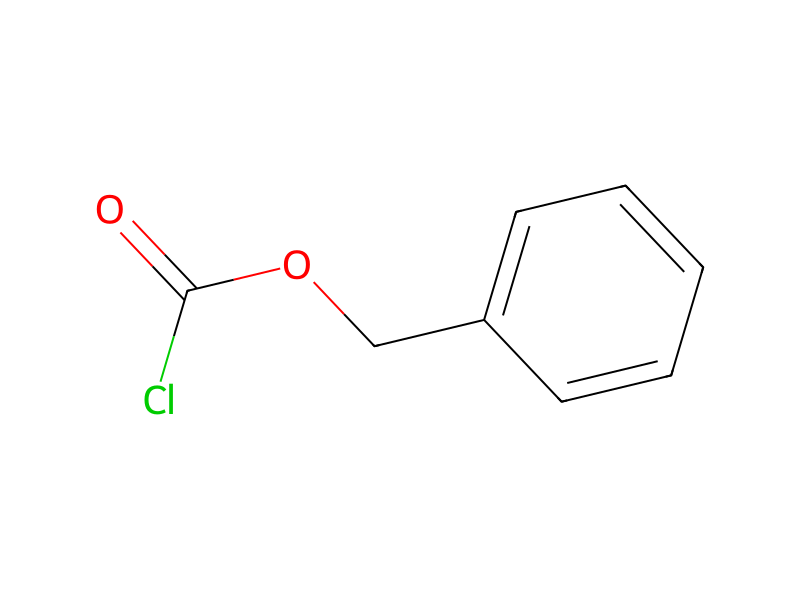
[C:1](Cl)(=[O:10])[O:2][CH2:3][C:4]1[CH:9]=[CH:8][CH:7]=[CH:6][CH:5]=1.[C:12]1([C:18]2[NH:19][C:20]3[CH:26]=[CH:25][CH:24]=[CH:23][C:21]=3[N:22]=2)[CH:17]=[CH:16][CH:15]=[CH:14][CH:13]=1.N1C(C)=CC=CC=1C>O1CCCC1>[CH2:3]([O:2][C:1]([N:19]1[C:20]2[CH:26]=[CH:25][CH:24]=[CH:23][C:21]=2[N:22]=[C:18]1[C:12]1[CH:17]=[CH:16][CH:15]=[CH:14][CH:13]=1)=[O:10])[C:4]1[CH:9]=[CH:8][CH:7]=[CH:6][CH:5]=1Participants
5
Reactant 3


Product 1

Reagents, catalysts & solvents 1

Conditions
- Temperature
- 50 °C
Procedure
In a nitrogen atmosphere, 107 g of benzyl chlorocarbonate was added dropwise to a solution of 97 g of 2-phenylbenzimidazole and 107 g of 2,6-lutidine in 700 g of tetrahydrofuran, which was heated and stirred at 50° C. for 20 hours. After ordinary aqueous work-up, the insoluble was filtered off. The filtrate was concentrated, washed with hexane, and dried, obtaining 118 g of 1-benzyloxycarbonyl-2-phenylbenzimidazole (yield 72%).
Workup
- temperaturewas heated
- filtrationAfter ordinary aqueous work-up, the insoluble was filtered off
- concentrationThe filtrate was concentrated
- washwashed with hexane
- customdried
Sources & evidence
- ORD record
- ord-023c1f093da24b4f88257467e7913e90
- Source dataset
- uspto-grants-2014_07
- Patent number
- US08778591B2
Reaction notes
Loading…