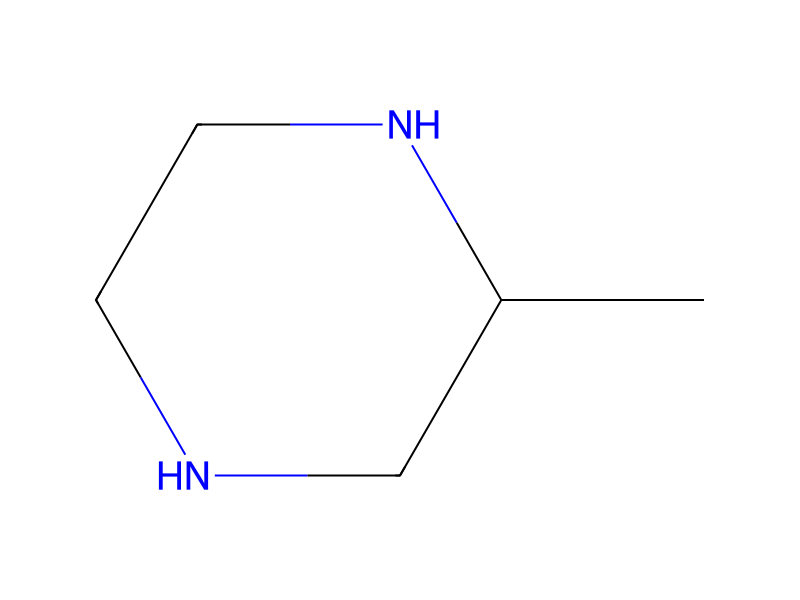
2-Methylpiperazine → HCID 20099357, compound
Reaction equation

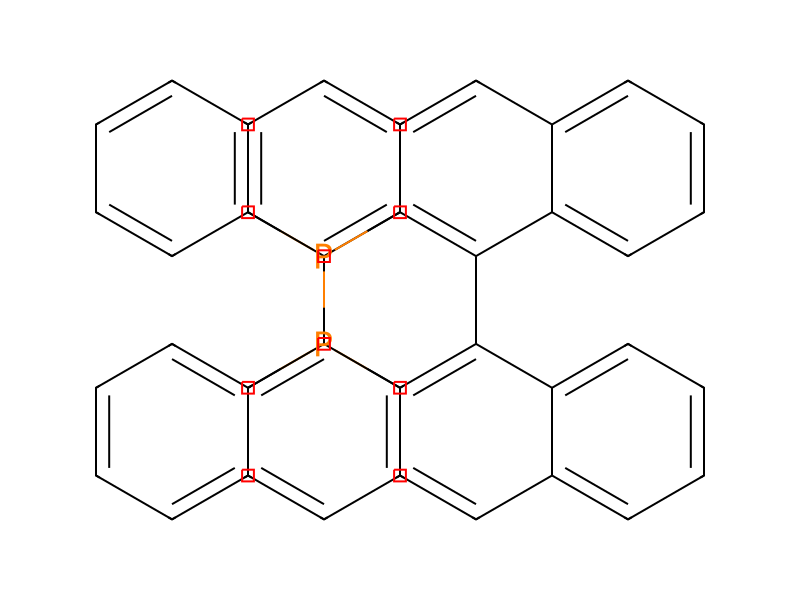
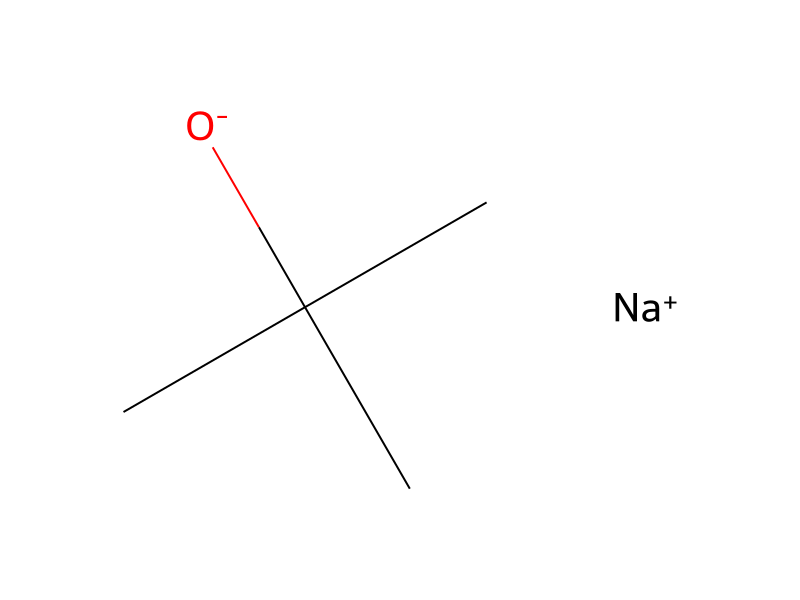
[CH3:1][CH:2]1[CH2:7][NH:6][CH2:5][CH2:4][NH:3]1.Br[C:9]1[CH:14]=[CH:13][CH:12]=[C:11]([CH3:15])[C:10]=1[CH3:16].C1C=CC(P(C2C(C3C(P(C4C=CC=CC=4)C4C=CC=CC=4)=CC=C4C=3C=CC=C4)=C3C(C=CC=C3)=CC=2)C2C=CC=CC=2)=CC=1.CC(C)([O-])C.[Na+]>C1(C)C=CC=CC=1.C([O-])(=O)C.[Pd+2].C([O-])(=O)C>[CH3:16][C:10]1[C:11]([CH3:15])=[CH:12][CH:13]=[CH:14][C:9]=1[N:6]1[CH2:5][CH2:4][NH:3][CH:2]([CH3:1])[CH2:7]1Participants
7




Procedure
650 mg (6.48 mmol) of 2-methylpiperazine, 800 mg (4.32 mmol) of 3-bromo-o-xylene, 50 mg (0.22 mmol) of palladium acetate, 110 mg (0.17 mmol) of BINAP and 830 mg (8.65 mmol) of sodium tert-butoxide in dry toluene (8.6 mL) were heated at 110° C. for 14 hours. After cooling, the resulting reaction mixture was quenched with water and extracted with ethyl acetate. The ethyl acetate phase was concentrated. The residue was purified by chromatography to give the title compound as a yellow semi solid.
Workup
- temperatureAfter cooling
- customthe resulting reaction mixture
- customwas quenched with water
- extractionextracted with ethyl acetate
- concentrationThe ethyl acetate phase was concentrated
- customThe residue was purified by chromatography
Sources & evidence
- ORD record
- ord-f3d7dbdf8939441ab1f305ae69f61051
- Source dataset
- uspto-grants-2014_07
- Patent number
- US08785453B2
Reaction notes
Loading…