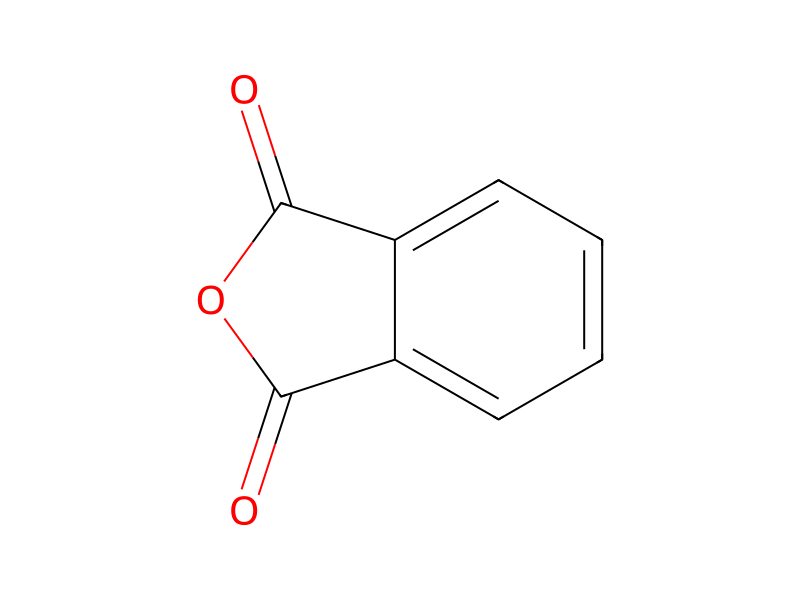
Phthalic Anhydride → HCID 178444740, compound
Reaction equation

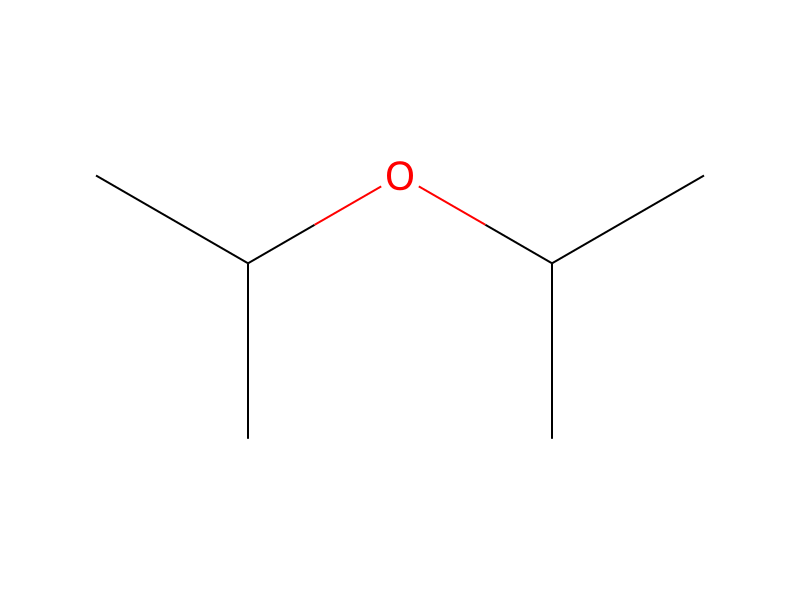
C1(=O)OC(=[O:5])C2=CC=CC=C12.[NH2:12][C:13]1[N:18]=[C:17]([NH:19][CH2:20][CH2:21][CH2:22][CH2:23][CH2:24][CH3:25])[CH:16]=[C:15]([Cl:26])[N:14]=1.S([O-])(O)=O.[Na+].[OH-].[Na+]>C(O)(C)C.C(OC(C)C)(C)C.O>[NH2:12][C:13]1[N+:18]([O-:5])=[C:17]([NH:19][CH2:20][CH2:21][CH2:22][CH2:23][CH2:24][CH3:25])[CH:16]=[C:15]([Cl:26])[N:14]=1Participants
Reactant 4



Product 1

Reagents, catalysts & solvents 3


Conditions
- Temperature
- 22.5 °C
Procedure
5.95 g of urea/H2O2 complex and 9.07 g of phthalic anhydride were suspended in 90 ml of isopropanol, in a three-necked flask. The mixture was stirred for 30 min at room temperature (20-25° C.). 10 g of 2-amino-4-hexylamino-6-chloropyrimidine were then added while controlling the exotherm at +30° C. After reaction for 3 hours, 100 ml of sodium hydrogen sulfite were poured thereinin to destroy the residual oxidizing agents. The mixture was permitted to separate out by settling and the upper phase was concentrated under vacuum. The residue obtained was taken up in a water (80 ml)/30% sodium hydroxide (20 ml) mixture. The solid obtained was reimpasted in 150 ml of isopropyl ether. The solid was filtered off and washed. It was dried in a heated desiccator. 4.52 g of the expected compound were thus obtained, for a yield of 42%.
Workup
- customat +30° C
- customAfter reaction for 3 hours
- customto destroy the
- customto separate out
- concentrationthe upper phase was concentrated under vacuum
- customThe residue obtained
- customThe solid obtained
- filtrationThe solid was filtered off
- washwashed
- customIt was dried in a heated desiccator
Sources & evidence
- ORD record
- ord-a56f5114d8044557b618d21df28f6115
- Source dataset
- uspto-grants-2003_01
- Patent number
- US06511659B2
Reaction notes
Loading…