Hydrochloric Acid → 6-Chloro-2,4-dinitroaniline
Reaction equation

[N+:1]([C:4]1[CH:10]=[C:9]([N+:11]([O-:13])=[O:12])[CH:8]=[CH:7][C:5]=1[NH2:6])([O-:3])=[O:2].Cl.[Cl:15]([O-])(=O)=O.[Na+].[N+](N([N+]([O-])=O)C1C=CC=CC=1)([O-])=O.Cl([O-])(=O)=O.ClCl>O>[Cl:15][C:7]1[CH:8]=[C:9]([N+:11]([O-:13])=[O:12])[CH:10]=[C:4]([N+:1]([O-:3])=[O:2])[C:5]=1[NH2:6]Participants






Procedure
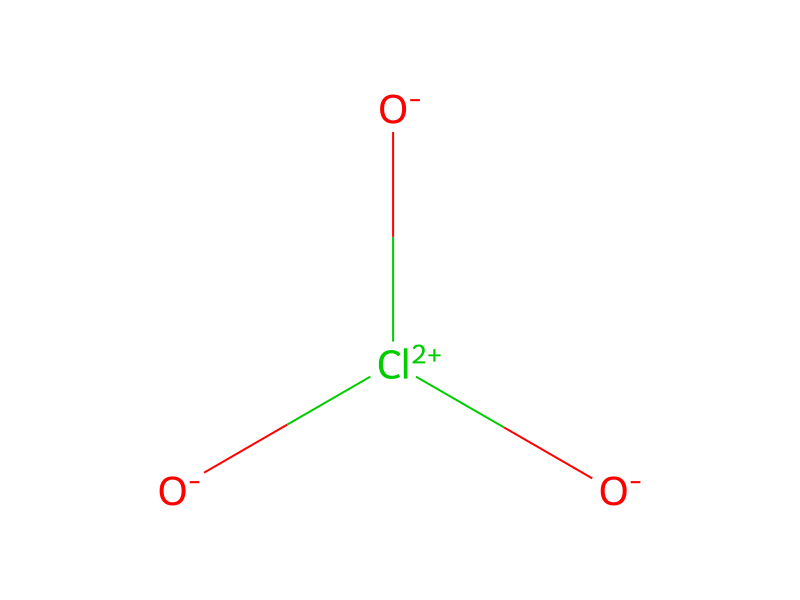
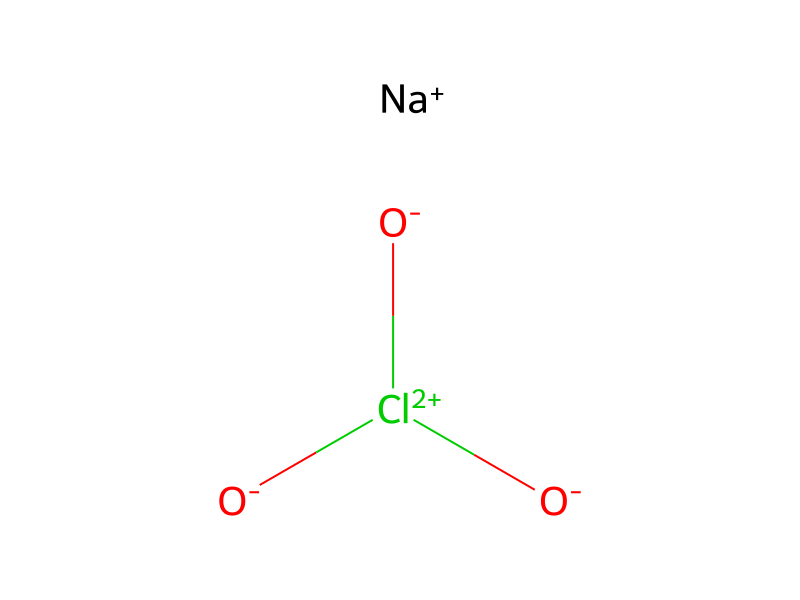
183 parts of 2,4-dinitroaniline and 0.15 part of lignosulfonate are suspended in 220 parts of water and the suspension is ground. 800 parts of 32 % hydrochloric acid are charged to a reactor. Then 145 parts of a 33 % solution of sodium chlorate and the aqueous suspension of dinitroaniline obtained by wet grinding are added simultaneously in separate streams at 25° C. to the hydrochloric acid. The chlorate solution is added over 260 minutes and the suspension of dinitroaniline simultaneously over a somewhat shorter time of 240 minutes. The mixture is then allowed to react for 30 minutes. Excess chlorine is expelled and any chlorine residues remaining in the mixture are destroyed by adding a solution of sodium bisulfite. The product is then isolated by filtration, washed until neutral and dried, affording 204 parts of 2-chloro-4,6-dinitroaniline (yield: 94 %). Melting point: 157.5° C. (lit.: 157°-159° C.)
Workup
- customobtained
- customby wet grinding
- customto react for 30 minutes
- customare destroyed
- additionby adding a solution of sodium bisulfite
- customThe product is then isolated by filtration
- washwashed until neutral and
- customdried
Sources & evidence
- ORD record
- ord-4e42322559d243c684e59a2f7fa31a3e
- Source dataset
- uspto-grants-1989_11
- Patent number
- US04879415
Reaction notes
Loading…