Furfural → Benzofuran
Reaction equation

COC(/C=C/[C:7]1[CH:12]=[C:11](O)[C:10]2[O:14][CH:15](C3C=CC(O)=C(O)C=3)[CH:16](C(OC)=O)[C:9]=2[CH:8]=1)=O.O1C=CC=C1C=O.C(OCC)(=O)CCC(OCC)=O.CC(C)([O-])C.[K+].C([O-])(=O)C.[Na+].C(OC(=O)C)(=O)C.C([O-])([O-])=O.[K+].[K+]>CCO.C(O)(C)(C)C>[O:14]1[C:10]2[CH:11]=[CH:12][CH:7]=[CH:8][C:9]=2[CH:16]=[CH:15]1Participants
10
Reactant 7






Product 1

Reagents, catalysts & solvents 2


Procedure
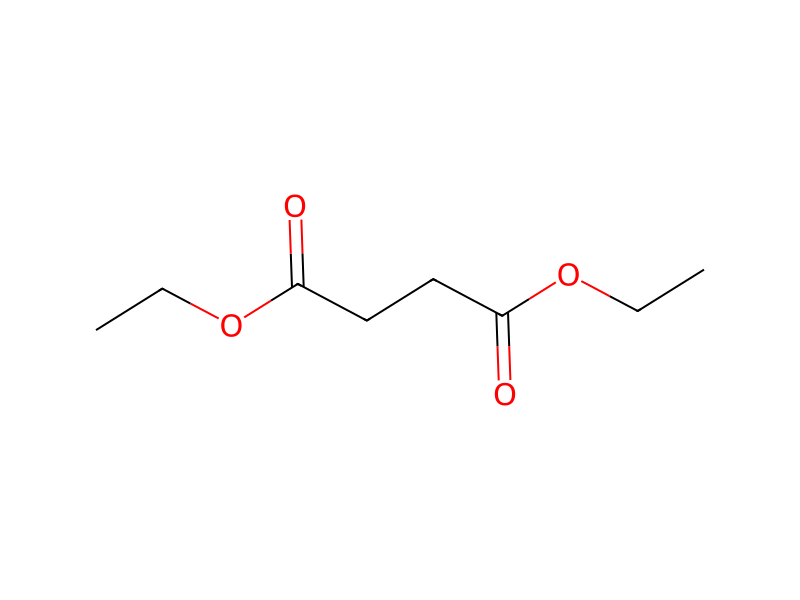
As depicted in Scheme F, dihydrobenzofuran intermediate F-3 could be prepared starting from commercially available 2-furaldehyde and diethyl succinate. Treatment of 2-furaldehyde and diethyl succinate with potassium t-butoxide in refluxing t-butanol gives intermediate F-1. Treatment of F-1 with sodium acetate in refluxing acetic anhydride, followed by aqueous work-up and subsequently refluxing the residue in EtOH in the presence of K2CO3, gives benzofuran F-2. F-2 could be subjected to hydrogenation conditions to provide dihydrobenzofuran F-3.
Workup
- customcould be prepared
- customgives intermediate F-1
Sources & evidence
- ORD record
- ord-85cdb687fa3d4a11a8a9f11dec122a49
- Source dataset
- uspto-grants-2012_02
- Patent number
- US08119624B2
Reaction notes
Loading…