1,2-Dichloroethane → Hydrochloric Acid
Reaction equation

ClCl.[CH2:3]=[C:4]1[O:8]C(=O)C1.N#N.[OH-:11].[Na+].[ClH:13].[Cl:14][CH2:15][CH2:16][Cl:17]>O>[O:3]=[C:4]([CH2:8][Cl:13])[CH2:15][C:16]([Cl:17])=[O:11].[ClH:14]Participants


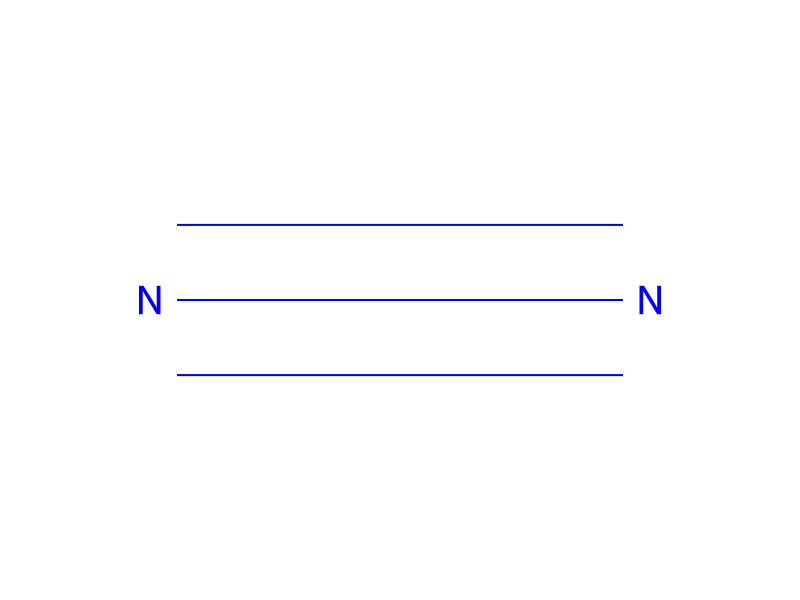





Procedure
A solution of 3-oxo-4-chlorobutyryl chloride was prepared by passing in 0.645 mols of Cl2 gas into a solution of 0.645 mol of diketene at -20°C in 1,2-dichloroethane which was approximately 2/3 solvent by volume. The starting diketene was of approximately 98.1 percent purity as assayed by NMR spectroscopy. The solution was then treated in a three neck flask fitted with thermometer, dropping funnel, condenser, mechanical stirrer and a N2 inlet and outlet with 11.8 ml of water (0.655 mol) added slowly from the dropping funnel. A slow stream of N2 gas was passed through the flask and allowed to pass out the condenser and into a NaOH solution prepared from 80 ml of 7.93 N NaOH (0.635 mol) diluted to approximately 800 ml. The water was added with vigorous stirring at such a rate that no HCl escaped the NaOH trap while maintaining a temperature of 25°-30°C in the reaction mixture. The product acid began to crystallize from the reaction mixture about 1/3 of the way through the addition of water. After completion of the addition, stirring was continued overnight. The NaOH trap solution was then made up to 1 liter and a 100 ml aliquot removed. This was titrated to a phenolphthalein end point requiring 3.23 ml of 0.1043 N HCl showing a net excess of 3.36 milliequivalents of unused base remained. This corresponds to a 99.8 percent yield of HCl based on diketene. The solid acid was recovered by filtration and yielded 61.1 g (70.8 percent of theory) of snow white crystalline product MP 69°-71°C. Further washing of the flask with pentane removed 1.32 g of solids. 21.3 g of acid was recovered upon evaporation of the residual solvent filtrate at room temperature on a rotary evaporator under vacuum. Both solid products were washed with pentane and found to be pure via their NMR spectra. The combined yield was 83.7 or 97 percent of theory. The melting point reported by Rosdig, Kleppe and Markl is 67°-69°C (Ber. 95 1252 (1962).
Workup
- additionThe solution was then treated in a three neck flask
- customfitted with thermometer
- additionadded slowly from the dropping funnel
- additiondiluted to approximately 800 ml
- temperaturewhile maintaining a temperature of 25°-30°C in the reaction mixture
- customto crystallize from the reaction mixture about 1/3 of the way through the addition of water
- additionAfter completion of the addition
- customa 100 ml aliquot removed
Sources & evidence
- ORD record
- ord-d0c315c5692f48a48ac2d86b302d0e4e
- Source dataset
- uspto-grants-1976_06
- Patent number
- US03960941
Reaction notes
Loading…