Formaldehyde → HCID 21530331, compound
Reaction equation

[CH2:1]([NH:7][C:8]([N:10]1[C:16](=[O:17])[CH2:15][C:14]([CH3:19])([CH3:18])[NH:13][C:12]([CH3:21])([CH3:20])[CH2:11]1)=[O:9])[CH2:2][CH2:3][CH2:4][CH2:5][CH3:6].[CH:22]([O-])=O.[Na+].C=O.[OH-].[NH4+]>C(O)=O>[CH2:1]([NH:7][C:8]([N:10]1[C:16](=[O:17])[CH2:15][C:14]([CH3:19])([CH3:18])[N:13]([CH3:22])[C:12]([CH3:20])([CH3:21])[CH2:11]1)=[O:9])[CH2:2][CH2:3][CH2:4][CH2:5][CH3:6]Participants
6
Reactant 4


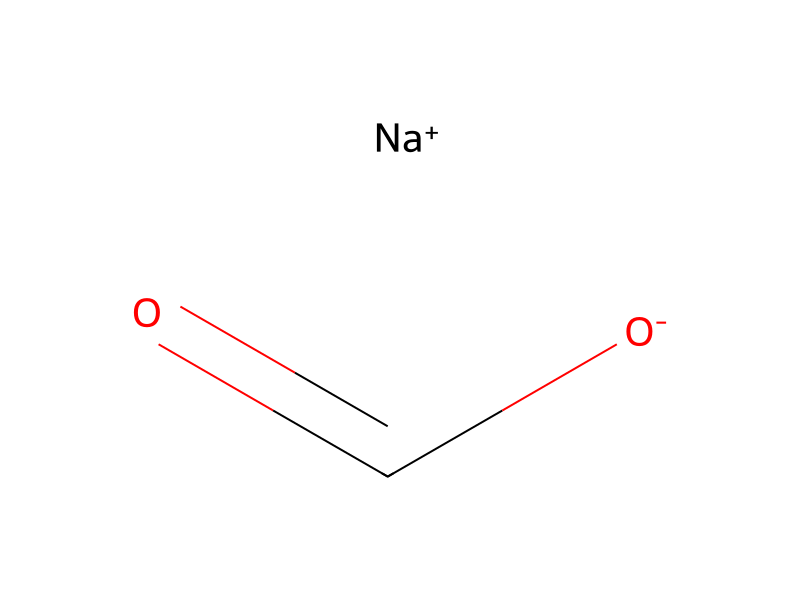

Product 1

Reagents, catalysts & solvents 1

Procedure
A mixture of 25 parts of 4-n-hexylcarbamoyl-2,2,7,7-tetramethyl-1,4-diazacycloheptan-5-one, 11.2 parts of sodium formate, 25 parts of formaldehyde and 2 parts of formic acid were heated at steam bath temperature for 2 hours. 250 Parts of ammonium hydroxide were then added and the solution extracted with chloroform to yield, after drying, 20 parts of a heavy oil which was further purified by column chromatography (silica) to give pure 4-n-hexylcarbamoyl-1,2,2,7,7-pentamethyl-1,4-diazacycloheptan-5-one. This material had the following elemental analysis by weight:
Workup
- temperaturewere heated at steam bath temperature for 2 hours
- extractionthe solution extracted with chloroform
- customto yield
- customafter drying
- custom20 parts of a heavy oil which was further purified by column chromatography (silica)
Sources & evidence
- ORD record
- ord-99422ad0eed1450498c12f2b6f2bfb84
- Source dataset
- uspto-grants-1976_06
- Patent number
- US03962255
Reaction notes
Loading…