Ammonia → HCID 21527600, compound
Reaction equation

[C:1]([NH:5][CH2:6][CH:7]([OH:20])[CH2:8][O:9][C:10]1[CH:18]=[CH:17][CH:16]=[C:15]2[C:11]=1[CH2:12][C:13](=[O:19])[NH:14]2)([CH3:4])([CH3:3])[CH3:2].[C:21](O)(=[O:28])[C:22]1[CH:27]=[CH:26][CH:25]=[CH:24][CH:23]=1.C(OC(=O)C1C=CC=CC=1)(=O)C1C=CC=CC=1.N>CN(C)P(=O)(N(C)C)N(C)C>[C:21]([O:20][CH:7]([CH2:6][NH:5][C:1]([CH3:4])([CH3:2])[CH3:3])[CH2:8][O:9][C:10]1[CH:18]=[CH:17][CH:16]=[C:15]2[C:11]=1[CH2:12][C:13](=[O:19])[NH:14]2)(=[O:28])[C:22]1[CH:27]=[CH:26][CH:25]=[CH:24][CH:23]=1Participants
6
Reactant 4

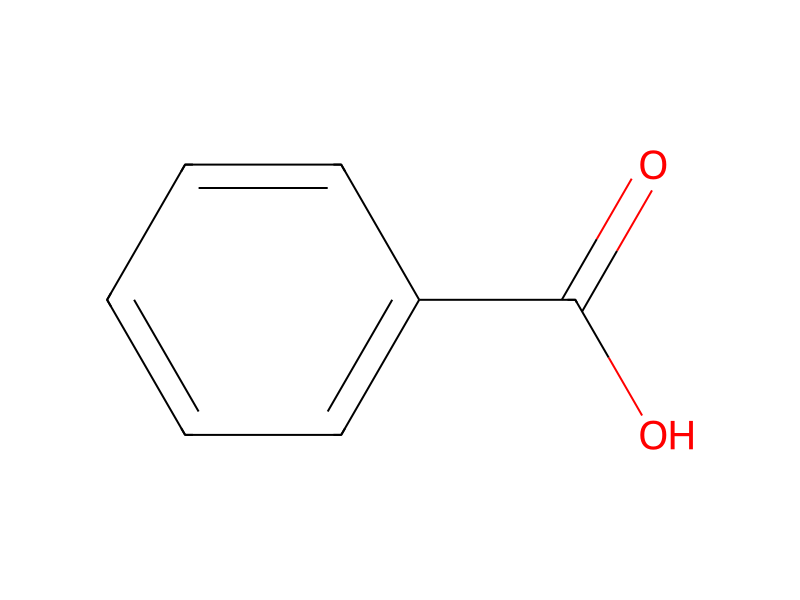


Product 1

Reagents, catalysts & solvents 1

Procedure
1 g of 4-(3-tert-butylamino-2-hydroxypropoxy)oxindole is dissolved in 20 cc of hexamethylphosphoric acid triamide and the solution is allowed to stand at room temperature for 16 hours together with 7.9 g of benzoic acid and 0.9 g of benzoic acid anhydride. The mixture is poured into ice water, is rendered alkaline with a 10% ammonia solution and is extracted with methylene chloride. The title compound is obtained as evaporation residue of the methylene chloride phase; the hydrogen oxalate of the title compound crystallizes from ethanol. M.P. 200°-203°.
Workup
- extractionis extracted with methylene chloride
Sources & evidence
- ORD record
- ord-0e507c5bc504416d914d8803f7ae63d7
- Source dataset
- uspto-grants-1976_06
- Patent number
- US03965095
Reaction notes
Loading…