Ethyl benzoate → 1,3-Dicyclohexyl-1,3-propanedione
Reaction equation

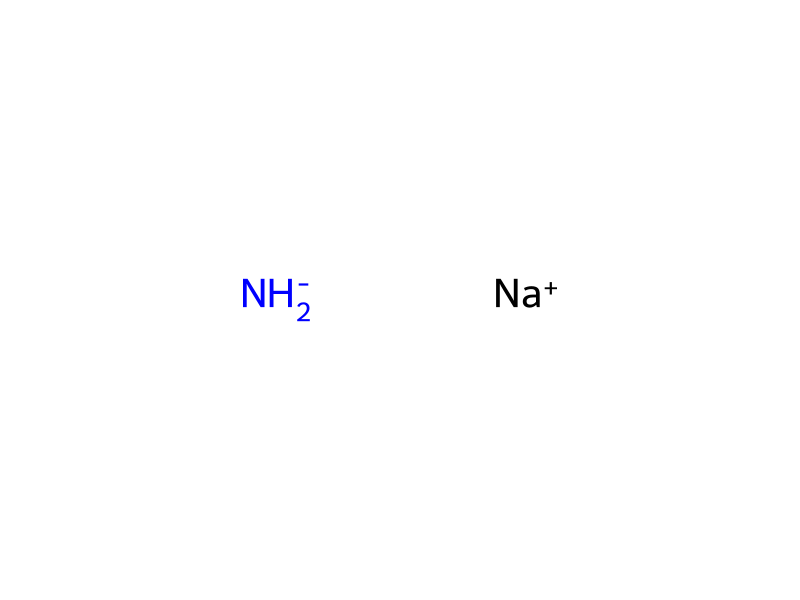
[CH:1]1([C:4](=[O:14])[CH2:5][C:6]([C:8]2[CH:13]=[CH:12][CH:11]=[CH:10][CH:9]=2)=[O:7])[CH2:3][CH2:2]1.[C:15](OCC)(=O)[C:16]1C=CC=C[CH:17]=1.C1(C(C)=O)CC1.[NH2-].[Na+].C1(C(OCC)=O)CC1.C(C1C=CC=CC=1)(=O)C.[H-].[Na+]>>[CH:8]1([C:6](=[O:7])[CH2:5][C:4]([CH:1]2[CH2:3][CH2:2][CH2:17][CH2:16][CH2:15]2)=[O:14])[CH2:9][CH2:10][CH2:11][CH2:12][CH2:13]1Participants





Procedure
Other β-diketones can be prepared from esters and ketones containing R3 and R5 as previously defined. Thus, 1-cyclopropyl-3-phenyl-1,3-propanedione has been reported by G. W. Cannon et al., Journal of Organic Chemistry 17, 685 (1952) to be prepared as a solid, melting point 36°C to 37°C, from ethyl benzoate and cyclopropyl methylketone in the presence of sodium amide. Alternatively, it has been found that the same compound, melting point 38°C to 40°C, could be prepared from ethyl cyclopropanecarboxylate, acetophenone and sodium hydride. J. T. Adams and C. R. Hauser in Journal of the American Chemical Society 66, 1220 (1944) have prepared a series of 1-alkyl-3-phenyl-1,3-propanediones from carboxylic acid ethyl esters and acetophenone in the presence of sodium amide. Illustrative examples are tabulated employing the following equation: ##EQU2## where R3 and R5 are set forth in the Table I below.
Sources & evidence
- ORD record
- ord-5153f80b2c6242e28ab76598914c88f6
- Source dataset
- uspto-grants-1976_06
- Patent number
- US03966954
Reaction notes
Loading…