Diglyme → 4'-Fluoro(1,1'-biphenyl)-2-amine
Reaction equation
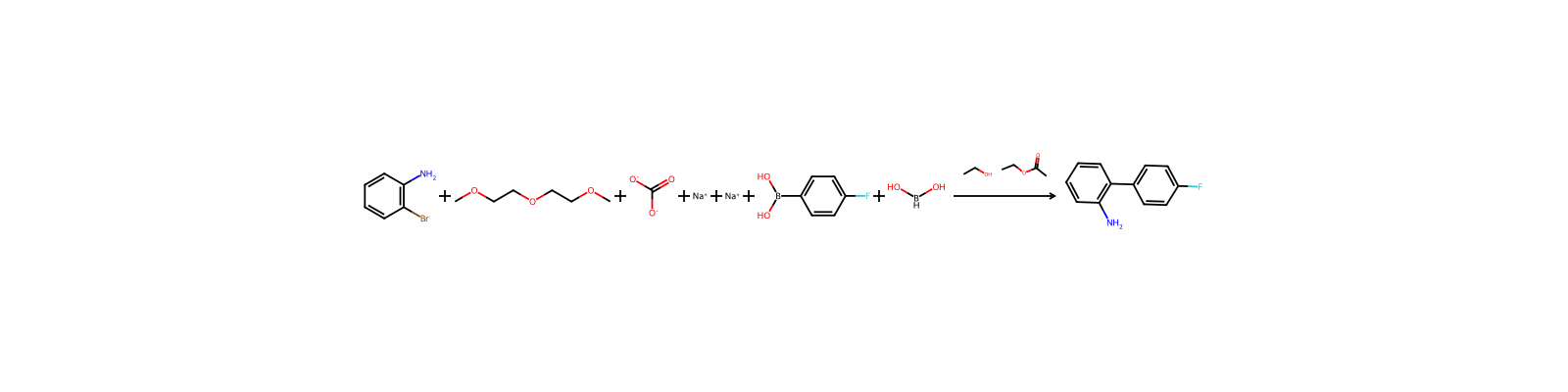
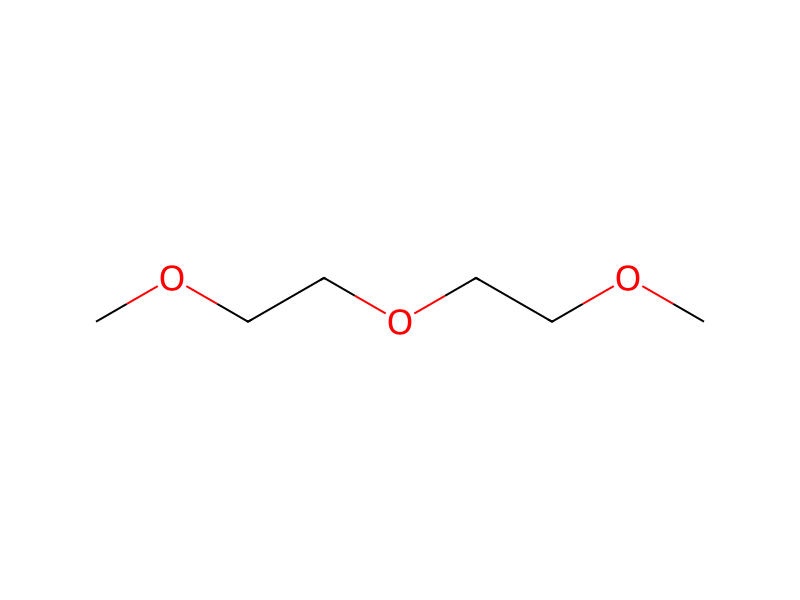
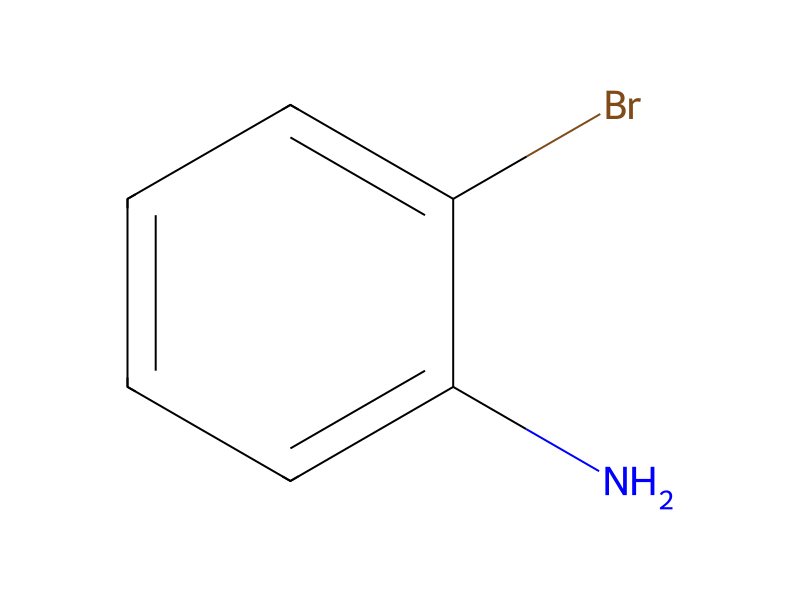
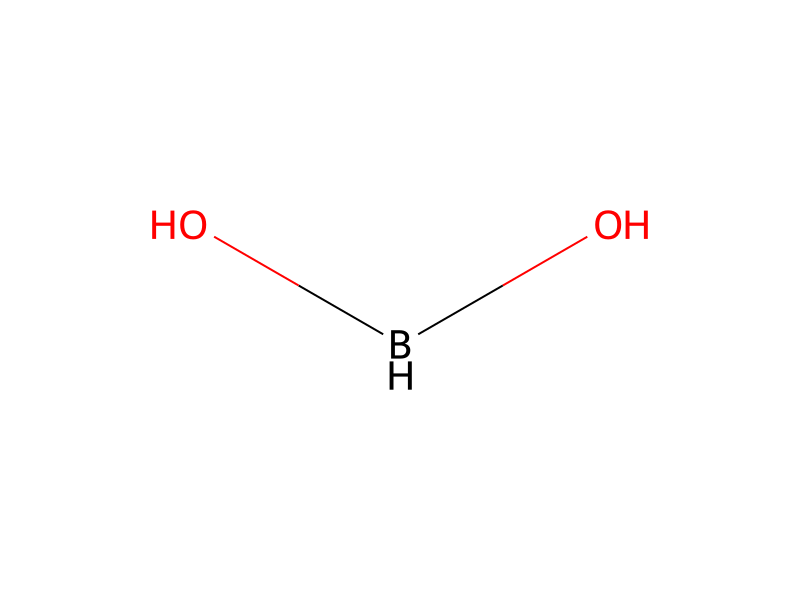
Br[C:2]1[CH:8]=[CH:7][CH:6]=[CH:5][C:3]=1[NH2:4].COCCOCCOC.C(=O)([O-])[O-].[Na+].[Na+].[F:24][C:25]1[CH:30]=[CH:29][C:28](B(O)O)=[CH:27][CH:26]=1.B(O)O>C(O)C.C(OCC)(=O)C>[F:24][C:25]1[CH:30]=[CH:29][C:28]([C:2]2[CH:8]=[CH:7][CH:6]=[CH:5][C:3]=2[NH2:4])=[CH:27][CH:26]=1Participants

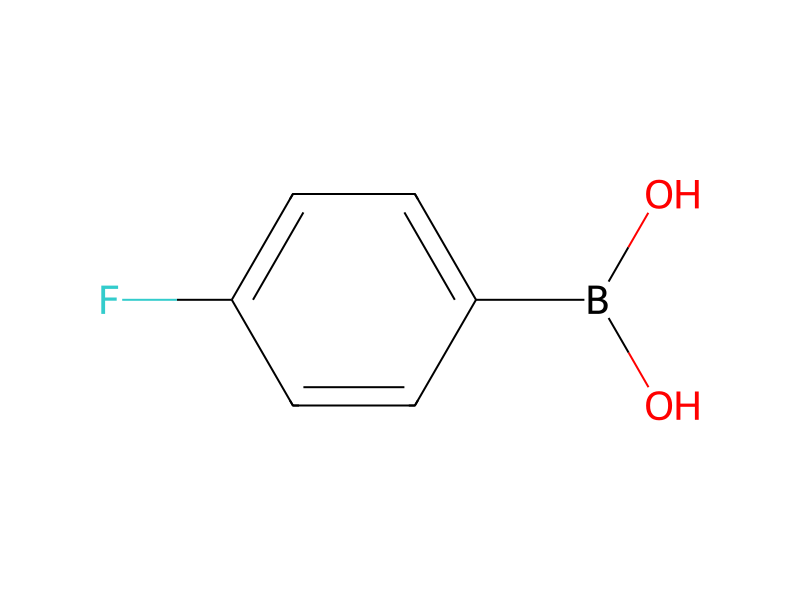



Conditions
- Temperature
- 80 °C
Procedure
To a stirred solution of 2-bromoaniline (1.72 g, 10.0 mmol) in diglyme (30 mL) tetrakis(triphenylphosphine)-palladium(0) (0.13 g, 0.3 mmol) and 2.0 M aqueous sodium carbonate solution (15 mL, 30.0 mmol) were added. In a separate flask, 4-fluorophenylboronic acid (2.23 g 16.0 mmol) was dissolved in ethanol (8 mL) and the mixture containing 2-bromoaniline was added to this boronic acid solution. The obtained brown reaction mixture was heated at 80° C. for 6 hours, then cooled, diluted with ethyl acetate and washed with saturated ammonium chloride solution. The organic layer was dried over sodium sulfate, filtered and concentrated. The residue was purified by flash column chromatography using Kieselgel 60 (0.015-0.040 mm) as adsorbent (Merck) and n-hexane:ethyl-acetate=2:1 as eluent to yield after recrystallization from ethanol 1.8 g (60%) of the title compound as white crystals.
Workup
- temperaturecooled
- washwashed with saturated ammonium chloride solution
- dry with materialThe organic layer was dried over sodium sulfate
- filtrationfiltered
- concentrationconcentrated
- customThe residue was purified by flash column chromatography
- customethyl-acetate=2:1 as eluent to yield
- customafter recrystallization from ethanol 1.8 g (60%) of the title compound as white crystals
Sources & evidence
- ORD record
- ord-bde24fca292d47739a7e6cad5611ac38
- Source dataset
- uspto-grants-2011_10
- Patent number
- US08034827B2
Reaction notes
Loading…