Hydrochloric Acid → Phosphate
Reaction equation

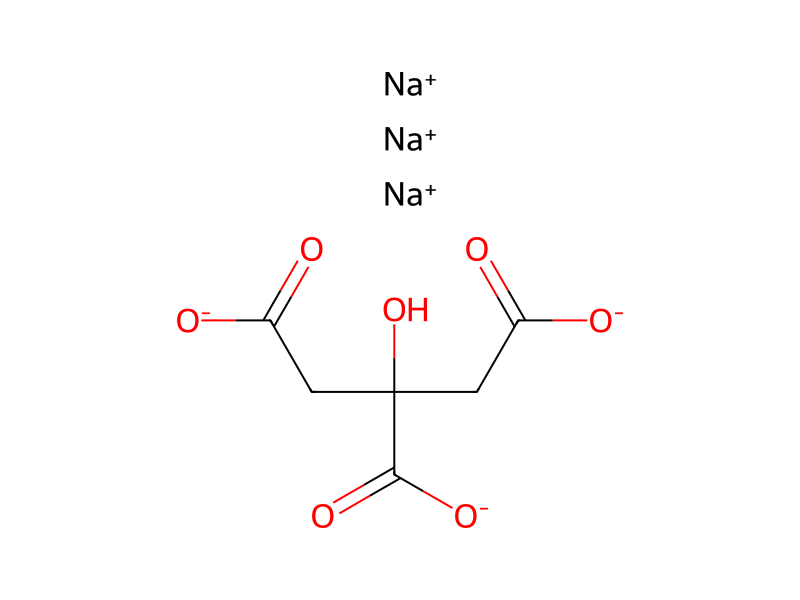
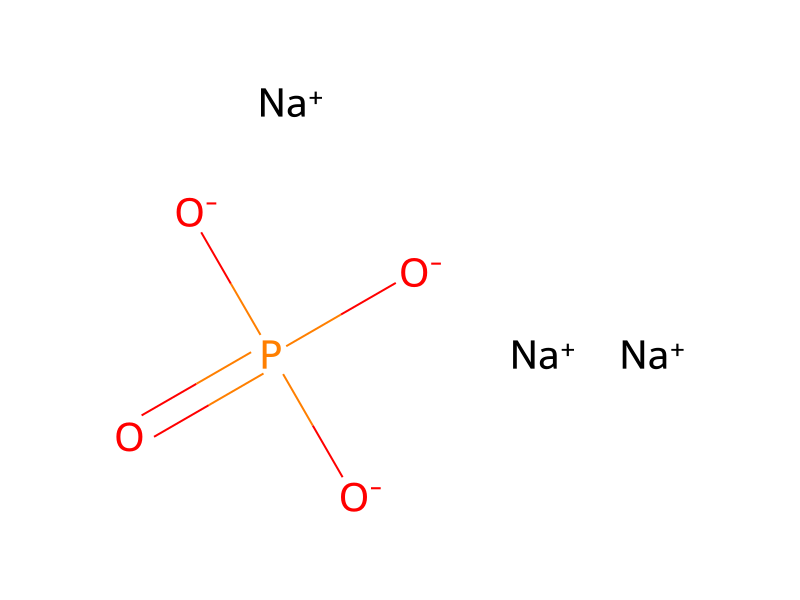
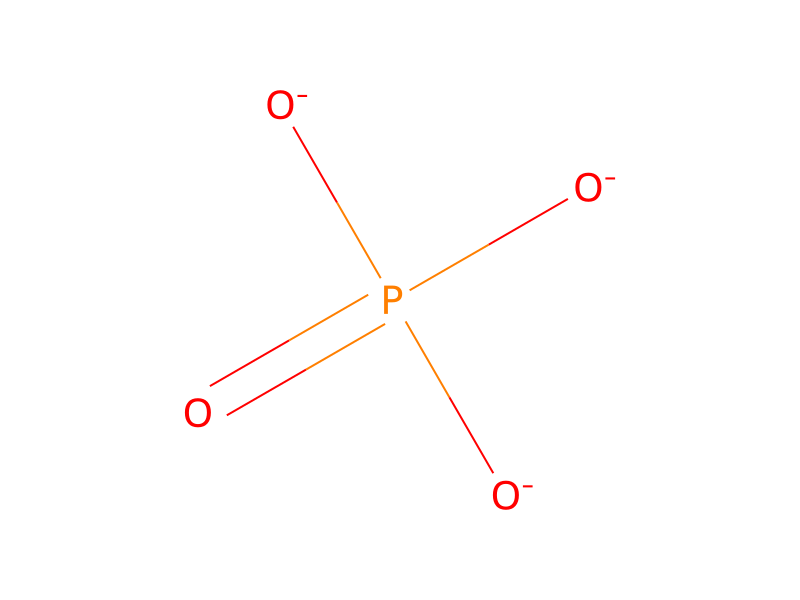
Cl.[Na+].[Cl-].[P:4]([O-:8])([O-:7])([O-:6])=[O:5].[Na+].[Na+].[Na+].[C:12]([O-:24])(=[O:23])[CH2:13][C:14]([CH2:19][C:20]([O-:22])=[O:21])([C:16]([O-:18])=[O:17])[OH:15].[Na+].[Na+].[Na+].[B:28]([O-:31])([O-:30])[O-:29].[Na+].[Na+].[Na+]>C(O)C(N)(CO)CO>[P:4]([O-:8])([O-:7])([O-:6])=[O:5].[C:12]([O-:24])(=[O:23])[CH2:13][C:14]([CH2:19][C:20]([O-:22])=[O:21])([C:16]([O-:18])=[O:17])[OH:15].[B:28]([O-:31])([O-:30])[O-:29]Participants
9





Procedure
An air-water interface was prepared using peptide having SEQ ID NO:10 (5.0 μM in 25 mM Tris.HCl, 100 mM NaCl at pH 7.3). After aging, the interfacial elasticity modulus was 29 mN/m and the maximum interfacial stress was 0.5 mN/m. A mixed sodium phosphate, sodium citrate, sodium borate (PCB) buffer at pH 7.0 was then added to give bulk solution concentrations of 1 mM phosphate, 1 mM citrate, and 1 mM borate. After PCB addition and further aging, the interfacial elasticity modulus was 51 mN/m and the maximum interfacial stress was 1.4 mN/m at 39% strain.
Workup
- customAn air-water interface was prepared
Sources & evidence
- ORD record
- ord-d1aa85414ef44d04b8a73f35e8469f4a
- Source dataset
- uspto-grants-2011_10
- Patent number
- US08039582B2
Reaction notes
Loading…