Dimethylformamide → Oxalyl chloride
Reaction equation

[NH2:1][C:2]1[C:19]([OH:20])=[CH:18][C:5]2[CH2:6][CH2:7][N:8](C(OC(C)(C)C)=[O:12])[CH2:9][CH2:10][C:4]=2[CH:3]=1.[F:21][C:22]([F:28])([F:27])[CH2:23][C:24]([Cl:26])=[O:25].CN([CH:32]=[O:33])C.[Cl:34]C1C=CC=CC=1>>[F:21][C:22]([F:28])([F:27])[CH2:23][C:24]1[O:20][C:19]2[C:2]([N:1]=1)=[CH:3][C:4]1[CH2:10][CH2:9][NH:8][CH2:7][CH2:6][C:5]=1[CH:18]=2.[F:21][C:22]([F:28])([F:27])[CH2:23][C:24]([OH:12])=[O:25].[C:32]([Cl:34])(=[O:33])[C:24]([Cl:26])=[O:25]Participants
7
Reactant 4



Product 3


Procedure
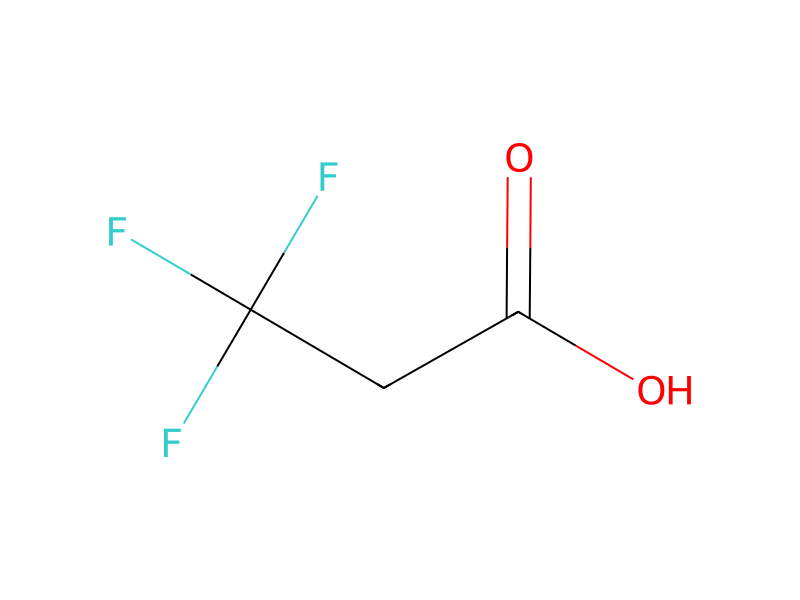
The title compound was prepared as described in General Procedure 2 from 1,1-dimethylethyl 7-amino-8-hydroxy-1,2,4,5-tetrahydro-3H-3-benzazepine-3-carboxylate and 3,3,3-trifluoropropanoyl chloride. The latter reactant had been obtained in chlorobenzene solution from the reaction of 3,3,3-trifluoropropanoic acid with oxalyl chloride (1 eq.) in the presence of a catalytic quantity of DMF.
Sources & evidence
- ORD record
- ord-4394e2537b9c401f8d35b76812a2d200
- Source dataset
- uspto-grants-2011_08
- Patent number
- US07989444B2
Reaction notes
Loading…