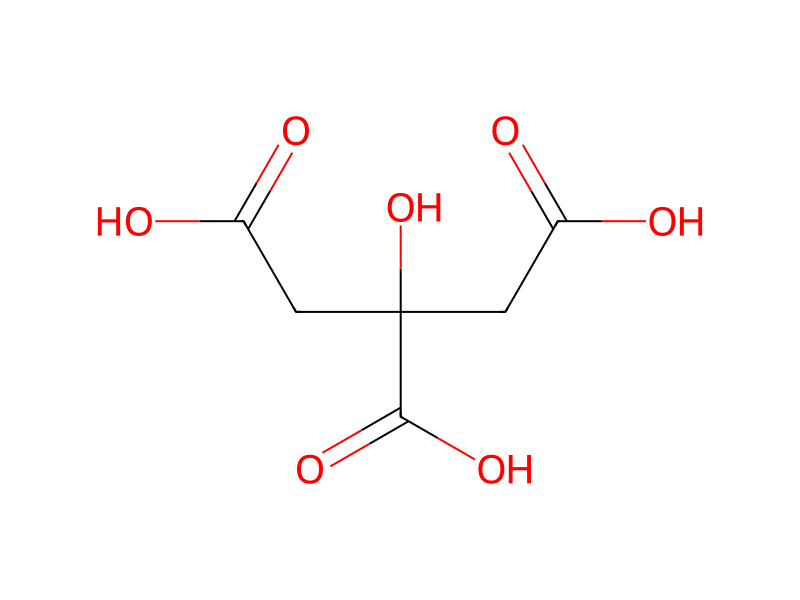
Citric Acid → HCID 67341565, compound
Reaction equation

[N+:1]([C:4]1[CH:10]=[CH:9][CH:8]=[CH:7][C:5]=1[NH2:6])([O-:3])=[O:2].C(=O)([O-])[O-].[Cs+].[Cs+].[C:17]([NH:25][C:26]1[CH:38]=[C:37](Br)[CH:36]=[CH:35][C:27]=1[C:28]([O:30][C:31]([CH3:34])([CH3:33])[CH3:32])=[O:29])(=[O:24])[C:18]1[CH:23]=[CH:22][CH:21]=[CH:20][CH:19]=1.C(O)(=O)CC(CC(O)=O)(C(O)=O)O>C1C=CC(/C=C/C(/C=C/C2C=CC=CC=2)=O)=CC=1.C1C=CC(/C=C/C(/C=C/C2C=CC=CC=2)=O)=CC=1.C1C=CC(/C=C/C(/C=C/C2C=CC=CC=2)=O)=CC=1.[Pd].[Pd].C([O-])(=O)C.[Pd+2].C([O-])(=O)C.C1(P(C2CCCCC2)C2C=CC=CC=2C2C(C(C)C)=CC(C(C)C)=CC=2C(C)C)CCCCC1.C(OCC)(=O)C.C1(C)C=CC=CC=1>[C:17]([NH:25][C:26]1[CH:38]=[C:37]([NH:6][C:5]2[CH:7]=[CH:8][CH:9]=[CH:10][C:4]=2[N+:1]([O-:3])=[O:2])[CH:36]=[CH:35][C:27]=1[C:28]([O:30][C:31]([CH3:33])([CH3:34])[CH3:32])=[O:29])(=[O:24])[C:18]1[CH:19]=[CH:20][CH:21]=[CH:22][CH:23]=1Participants
Reactant 4



Product 1

Reagents, catalysts & solvents 5





Procedure
55 mg of 2-nitroaniline, 0.17 g of cesium carbonate, 2.4 mg of tris(dibenzylideneacetone)dipalladium(0), 1.2 mg of palladium acetate and 6.3 mg of 2-dicyclohexylphosphino-2′,4′,6′-triisopropylbiphenyl were added to 2.0 mL of toluene solution containing 0.10 g of tert-butyl 2-(benzamido)-4-bromobenzoate at room temperature, and the resulting mixture was heated to reflux under nitrogen atmosphere for 4 hours. After the reaction mixture was cooled to room temperature, ethyl acetate and 10% citric acid aqueous solution were added and insoluble were removed by filtration. The organic layer was separated and dried over anhydrous magnesium sulfate after washed with a saturated sodium chloride aqueous solution, and the solvent was evaporated under reduced pressure. The obtained residue was purified with silica gel column chromatography [PSQ100B (spherical) manufactured by Fuji Silysia Chemical Ltd., eluent; hexane; ethyl acetate=1:1] to obtain 94 mg of tert-butyl 2-(benzamido)-4-(2-nitroanilino)benzoate as yellow solid.
Workup
- temperaturethe resulting mixture was heated
- temperatureto reflux under nitrogen atmosphere for 4 hours
- custominsoluble were removed by filtration
- customThe organic layer was separated
- dry with materialdried over anhydrous magnesium sulfate
- washafter washed with a saturated sodium chloride aqueous solution
- customthe solvent was evaporated under reduced pressure
- customThe obtained residue was purified with silica gel column chromatography [PSQ100B (spherical) manufactured by Fuji Silysia Chemical Ltd., eluent; hexane; ethyl acetate=1:1]
Sources & evidence
- ORD record
- ord-067d058ebb1e44fcae4160c25441cbaa
- Source dataset
- uspto-grants-2011_08
- Patent number
- US07999132B2
Reaction notes
Loading…