Triethylamine → HCID 18319551, compound
Reaction equation

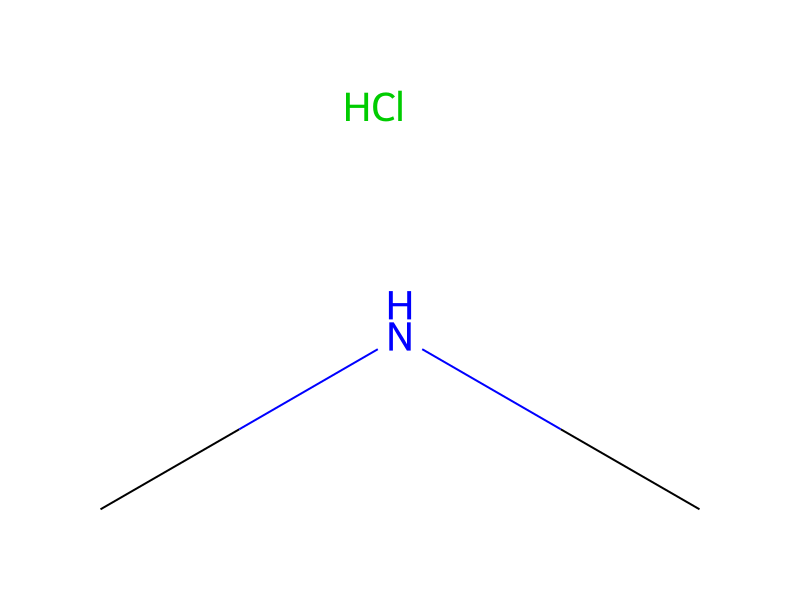
[CH:1]([C:3]1[C:13]2[O:12][CH2:11][CH2:10][C:9]([C:14]([O:16][CH3:17])=[O:15])=[CH:8][C:7]=2[CH:6]=[CH:5][CH:4]=1)=O.Cl.[CH3:19][NH:20][CH3:21].C(N(CC)CC)C.[BH4-].[Na+]>CO.O1CCCC1>[CH3:19][N:20]([CH2:1][C:3]1[C:13]2[O:12][CH2:11][CH2:10][C:9]([C:14]([O:16][CH3:17])=[O:15])=[CH:8][C:7]=2[CH:6]=[CH:5][CH:4]=1)[CH3:21]Participants






Procedure
The mixture of methyl 2,3-dihydro-9-formyl-1-benzoxepin-4-carboxylate (1.0 g), dimethylamine hydrochloride (0.7 g), triethylamine (1.2 ml) and 4 Å molecular sieves (1.0 g) in methanol (20 ml) and tetrahydrofuran (10 ml) was stirred at ambient temperature for 3 hours. To the mixture was added sodium borohydride (0.33 g) under ice-cooling and the mixture was stirred at ambient temperature for 20 hours. The solvent was removed by concentration. The residue was dissolved in a mixture of ethyl acetate and water and the mixture was adjusted to pH 1 with 6N hydrochloric acid. The separated aqueous layer was adjusted pH 10 with 20% aqueous potassium carbonate and extracted with a solution of ethyl acetate and tetrahydrofuran. The extract layer was washed with brine, dried over magnesium sulfate and evaporated to give methyl 2,3-dihydro-9-dimethylaminomethyl-1-benzoxepin-4-carboxylate (0.74 g).
Workup
- temperaturecooling
- customThe solvent was removed by concentration
- dissolutionThe residue was dissolved in a mixture of ethyl acetate and water
- extractionextracted with a solution of ethyl acetate and tetrahydrofuran
- washThe extract layer was washed with brine
- dry with materialdried over magnesium sulfate
- customevaporated
Sources & evidence
- ORD record
- ord-71741c662bc14a4ea7c98887d8ab7138
- Source dataset
- uspto-grants-2002_02
- Patent number
- US06346527B1
Reaction notes
Loading…