Tetrahydrofuran → HCID 15453736, compound
Reaction equation

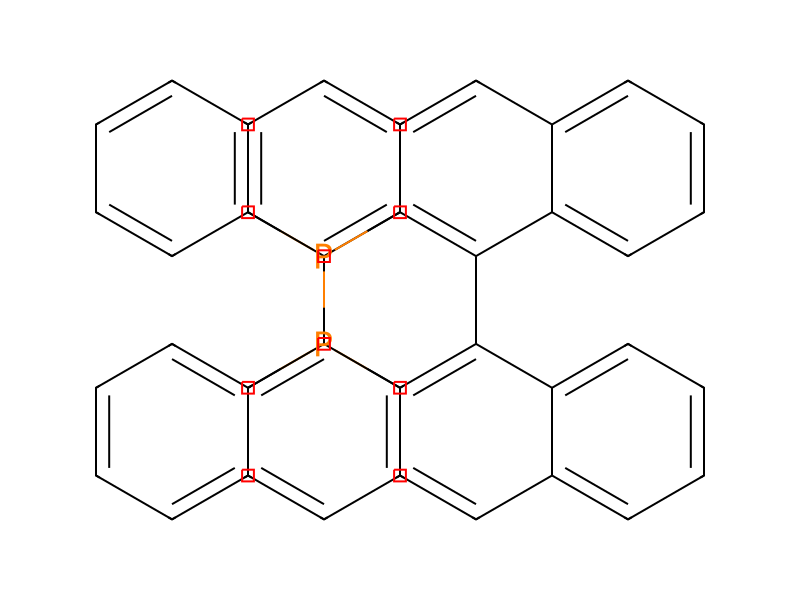
[CH:1]1C=CC(P(C2C(C3C(P(C4C=CC=CC=4)C4C=CC=CC=4)=CC=C4C=3C=CC=C4)=C3C(C=CC=C3)=CC=2)C2C=CC=CC=2)=CC=1.C([O-])(C)(C)C.[Na+].[C:53](=[NH:66])([C:60]1C=CC=C[CH:61]=1)[C:54]1C=CC=[CH:56][CH:55]=1.CCCCCCC.[CH2:74]1[CH2:78][O:77][CH2:76][CH2:75]1>CCOCC.Cl.C1C=CC(/C=C/C(/C=C/C2C=CC=CC=2)=O)=CC=1.C1C=CC(/C=C/C(/C=C/C2C=CC=CC=2)=O)=CC=1.C1C=CC(/C=C/C(/C=C/C2C=CC=CC=2)=O)=CC=1.[Pd].[Pd].C(OCC)(=O)C>[CH2:78]([O:77][C:76]1[C:75]([CH3:1])=[C:60]([CH3:61])[C:53]([NH2:66])=[CH:54][C:55]=1[CH3:56])[CH3:74]Participants
Reactant 5




Product 1

Reagents, catalysts & solvents 4




Conditions
- Temperature
- 60 °C
Procedure
0.46 mmol (0.426 g) of Pd2(dba)3 and 1.39 mmol (0.947 g) of BINAP are introduced into a 1-litre round-bottomed flask under an inert atmosphere. In a second round-bottomed flask. 46.5 mmol (13.5 g) of the compound described in the above Step, 65.1 mmol (6.26 g) of sodium tert-butanolate, 65.1 mmol (17.21 g) of 18 crown 6 and 65.8 mmol (10.12 g) of benzophenone imine are dissolved in 250 ml of anhydrous THF. The solution in the second round-bottomed flask is introduced into the round-bottomed flask containing the catalytic system with the aid of a cannula. The whole is heated at 60° C. for 3 hours and then the reaction mixture is diluted with ether. The precipitate formed is filtered over fritted glass and the filtrate is then evaporated. The residue obtained is redissolved in 300 ml of THF. 30 ml of hydrochloric acid solution (2N) are added thereto and the solution is stirred at ambient temperature for 1 hour. The whole is then diluted with excess hydrochloric acid (1N) and a heptane:ethyl acetate mixture 2:1. The aqueous phase is separated and then neutralised using 1M sodium hydroxide solution. After extracting with dichloromethane, drying the organic phase and evaporating off the solvent, the expected product is obtained.
Workup
- additionThe solution in the second round-bottomed flask is introduced into the round-bottomed flask
- additioncontaining the catalytic system with the aid of a cannula
- customThe precipitate formed
- filtrationis filtered over fritted glass
- customthe filtrate is then evaporated
- customThe residue obtained
- customThe aqueous phase is separated
- extractionAfter extracting with dichloromethane
- customdrying the organic phase
- customevaporating off the solvent
Sources & evidence
- ORD record
- ord-3b3c468c6435428b9bb2e49d4b2601cd
- Source dataset
- uspto-grants-2002_02
- Patent number
- US06350759B1
Reaction notes
Loading…