Hydroxyphenylacetic acid → HCID 12531839, compound
Reaction equation

O[C:2]1[CH:7]=[CH:6][C:5]([CH2:8][C:9]([OH:11])=[O:10])=[CH:4][CH:3]=1.ClC1C=CC([CH2:19][S:20]([CH2:23][C:24]2[CH:29]=CC(Cl)=CC=2)(=[O:22])=[O:21])=CC=1.[C:31](=O)([O-])[O-].[K+].[K+].CN(C)[C:39](=[O:41])[CH3:40]>O>[CH3:19][S:20]([C:23]1[CH:24]=[CH:29][C:39]([O:41][C:2]2[CH:7]=[CH:6][C:5]([CH2:8][C:9]([OH:11])=[O:10])=[CH:4][CH:3]=2)=[CH:40][CH:31]=1)(=[O:21])=[O:22]Participants
6
Reactant 4
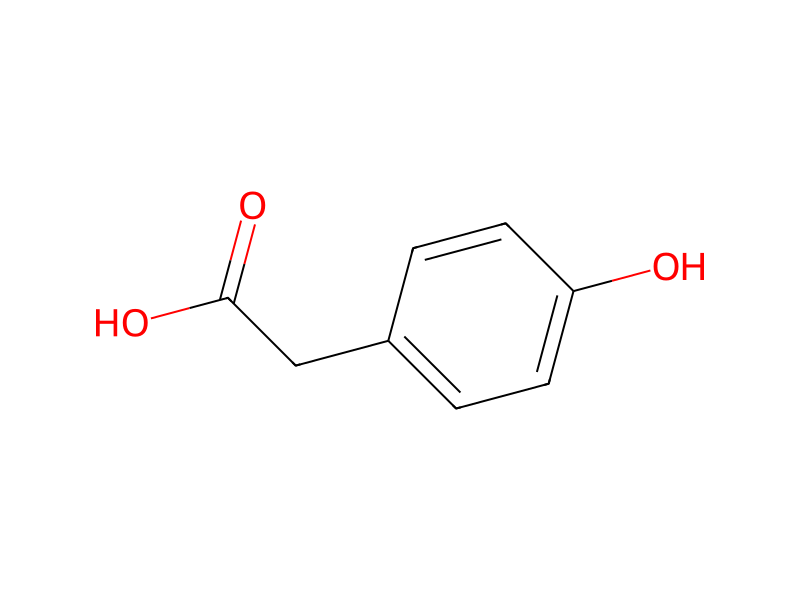



Product 1

Reagents, catalysts & solvents 1

Procedure
A mixture of 30.4 g of p-hydroxyphenylacetic acid, 38.12 g of p-chlorophenyl methylsulfone, 55.2 g of potassium carbonate and 250 ml of N,N-dimethylacetamide is heated under Argon overnight at 150°-155° C with vigorous stirring. The mixture is cooled, diluted with 500 ml of H2O, and extracted with two 200 ml portions of benzene. Acidification of the aqueous layer affords an amber oil which solidifies to a white solid, mp 122.5°-125° C. Recrystallization from chloroform affords the product as white needles, mp 127.5°-129.5° C.
Workup
- temperatureis heated under Argon overnight at 150°-155° C with vigorous stirring
- temperatureThe mixture is cooled
- extractionextracted with two 200 ml portions of benzene
- customAcidification of the aqueous layer affords an amber oil which
- customRecrystallization from chloroform
Sources & evidence
- ORD record
- ord-1995e95558cc424391aac779e8cb375c
- Source dataset
- uspto-grants-1978_11
- Patent number
- US04125729
Reaction notes
Loading…