Hydrochloric Acid → Methyl azetidine-3-carboxylate hydrochloride
Reaction equation

[ClH:1].C([N:15]1[CH2:18][CH:17]([C:19]([O:21][CH3:22])=[O:20])[CH2:16]1)(C1C=CC=CC=1)C1C=CC=CC=1>C(OCC)(=O)C.CO.[OH-].[Pd+2].[OH-]>[ClH:1].[NH:15]1[CH2:18][CH:17]([C:19]([O:21][CH3:22])=[O:20])[CH2:16]1Participants
6





Procedure
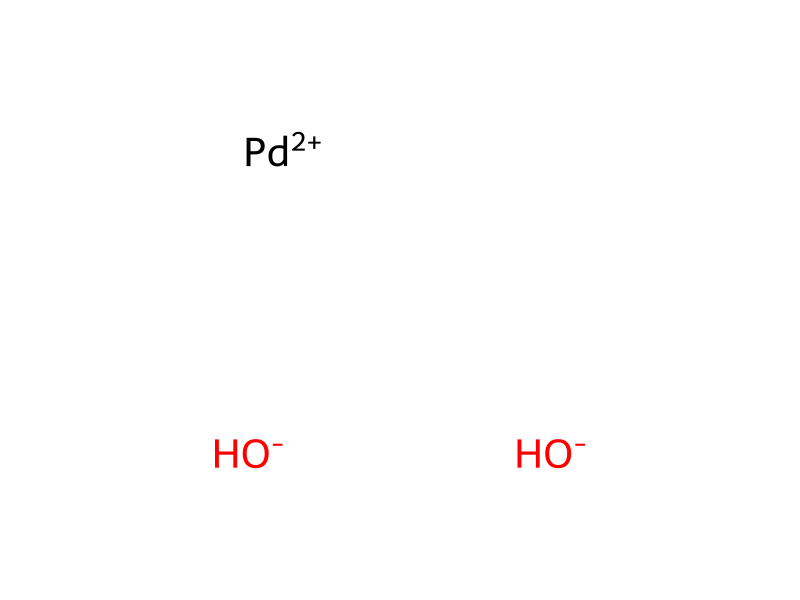
4N hydrochloric acid in ethyl acetate (12.7 ml) and 20% palladium hydroxide (3.57 g) were added to a solution of methyl 1-benzhydrylazetidine-3-carboxylate (3.57 g) in methanol (360 ml), followed by stirring under a pressurized hydrogen atmosphere (0.4 MPa) at room temperature for 11 hours. The catalyst was removed by filtration, and washed with methanol and water. The filtrate was concentrated to give a crude product of the target compound as a pale yellow oil, which was used in the next reaction supposing that the reaction proceeded quantitatively and 1.93 g of the product was obtained.
Workup
- customThe catalyst was removed by filtration
- washwashed with methanol and water
- concentrationThe filtrate was concentrated
Sources & evidence
- ORD record
- ord-d59cdd43a1e14e33a86ea680d469752a
- Source dataset
- uspto-grants-2010_09
- Patent number
- US07790885B2
Reaction notes
Loading…