Methanesulfonic Acid → Quinacridone
Reaction equation

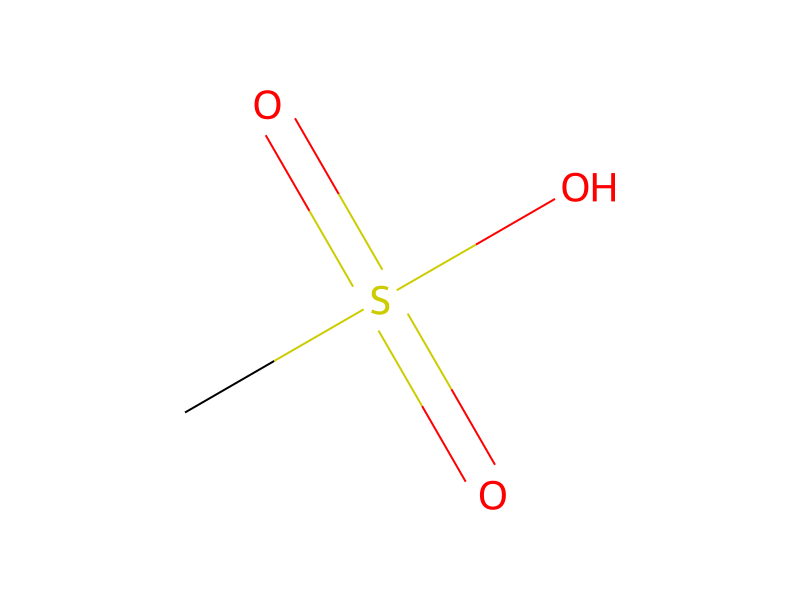
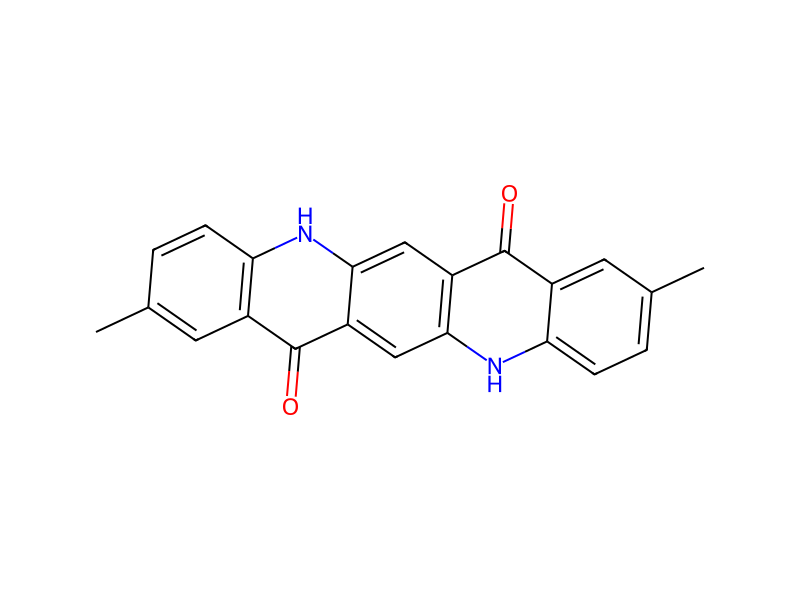
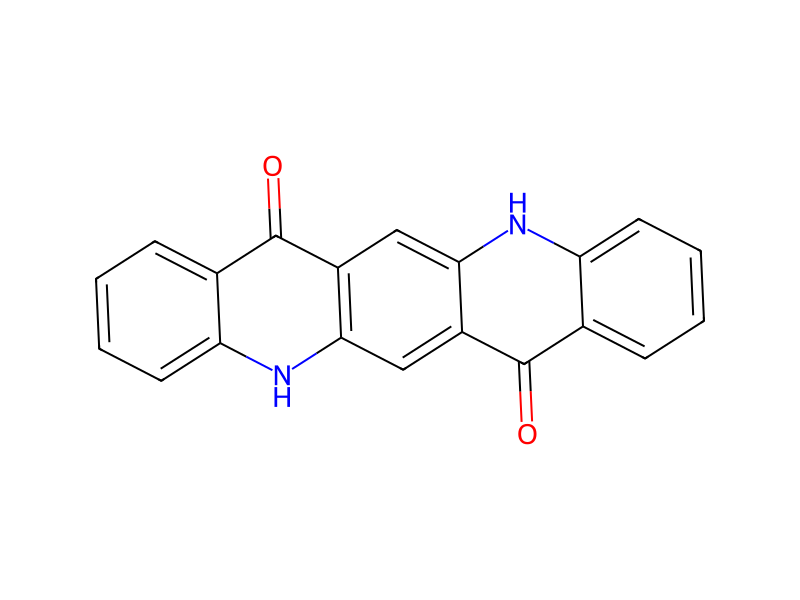
C[C:2]1[CH:7]=[CH:6][C:5]2[NH:8][C:9]3[C:14]([C:15](=[O:16])[C:4]=2[CH:3]=1)=[CH:13][C:12]1[NH:17][C:18]2[CH:25]=[CH:24][C:23](C)=[CH:22][C:19]=2[C:20](=[O:21])[C:11]=1[CH:10]=3.CS(O)(=O)=O>>[CH:23]1[CH:22]=[C:19]2[C:20]([C:11]3[C:12]([NH:17][C:18]2=[CH:25][CH:24]=1)=[CH:13][C:14]1[C:15]([C:4]2[C:5]([NH:8][C:9]=1[CH:10]=3)=[CH:6][CH:7]=[CH:2][CH:3]=2)=[O:16])=[O:21]Participants
3
Conditions
- Temperature
- 80 °C
Procedure
In the present example, 2,9-dimethylquinacridone is used as a pigment. A total of 10 parts by weight of 2,9-dimethylquinacridone is placed in a pear-shaped flask with a capacity of 300 mL, and 80 parts by weight of methanesulfonic acid is added thereto under normal temperature. The pear-shaped flask is immersed in oil bath heated to 80° C., and heating and stirring are performed for 10 min under an argon gas atmosphere. The 2,9-dimethylquinacridone is dissolved and a quinacridone pigment solution of a blue-violet color is prepared.
Workup
- additionis added
- customThe pear-shaped flask is immersed in oil bath
- temperatureheating
Sources & evidence
- ORD record
- ord-ffb16d322c754179a8df20d1ec30ebc0
- Source dataset
- uspto-grants-2010_09
- Patent number
- US07794536B2
Reaction notes
Loading…