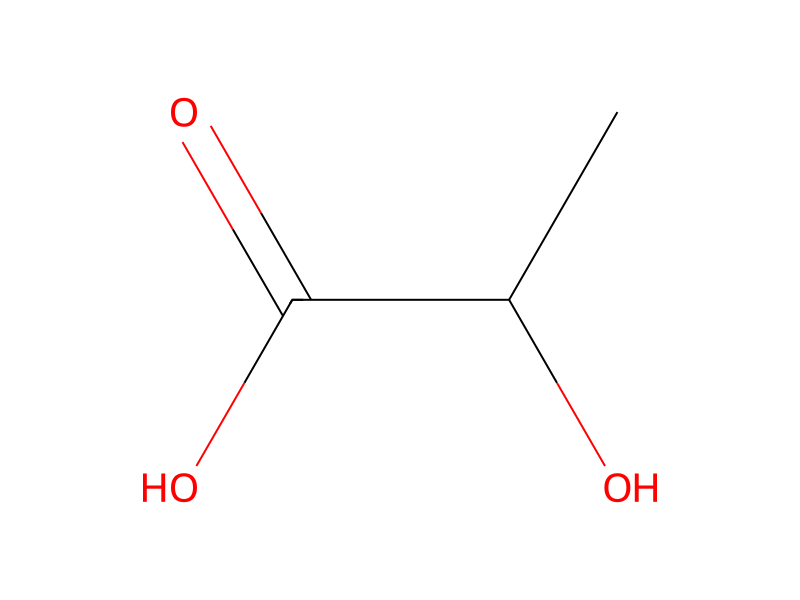
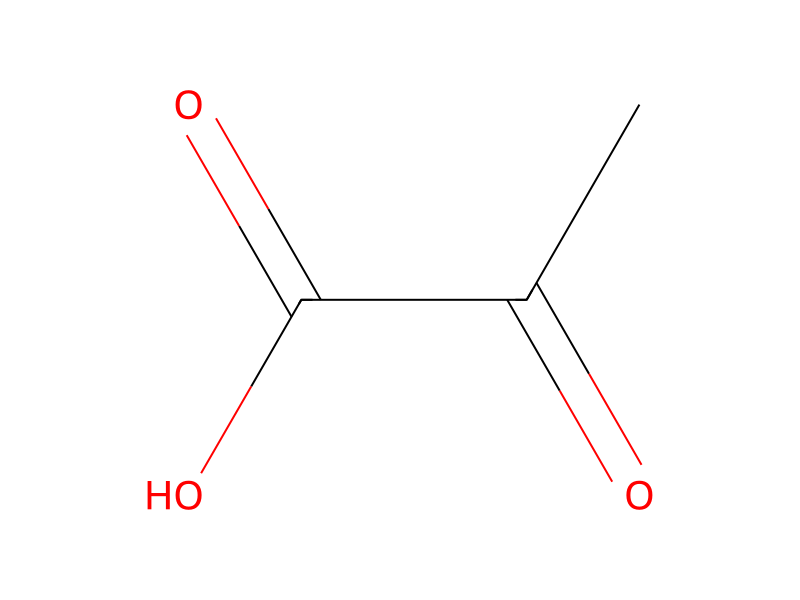
D-Lactic Acid → Lactic Acid
Reaction equation

[C:1]([OH:6])(=[O:5])[C@H:2]([CH3:4])[OH:3].[C:7]([OH:12])(=[O:11])[C@@H:8]([CH3:10])[OH:9]>>[C:1]([OH:6])(=[O:5])[C:2]([CH3:4])=[O:3].[C:7]([OH:12])(=[O:11])[CH:8]([CH3:10])[OH:9]Participants
4


Procedure
The present inventors found, however, that when the sample is contacted with a mixture of D-LDH and L-LDH, L-lactic acid in the sample is converted to D-lactic acid and D-lactic acid to L-lactic acid and, after a sufficient time, an equilibrium is finally attained between D-lactic acid and L-lactic acid in a ratio of 1:1. When L-lactic acid is .contacted with D-LDH and L-LDH, the amount of L-lactic acid decreases. This phenomenon can be construed as the result of oxidation of lactic acid to pyruvic acid and regeneration of lactic acid from said pyruvic acid and NADH under the catalytic action of D-LDH and L-LDH occurring in the neighborhood.
Sources & evidence
- ORD record
- ord-fde66839463f425a836a14c0b66eb156
- Source dataset
- uspto-grants-1996_04
- Patent number
- US05510244
Reaction notes
Loading…