Diisopropylamine → HCID 12016072, compound
Reaction equation

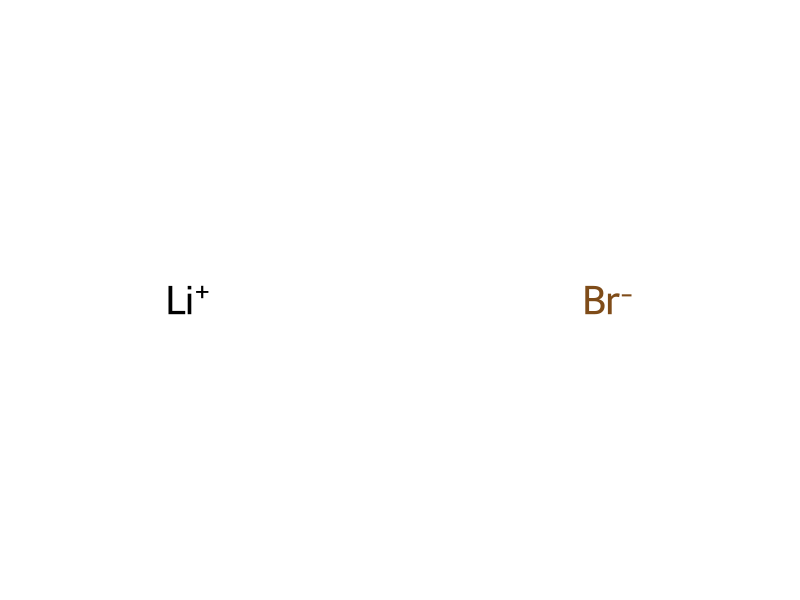
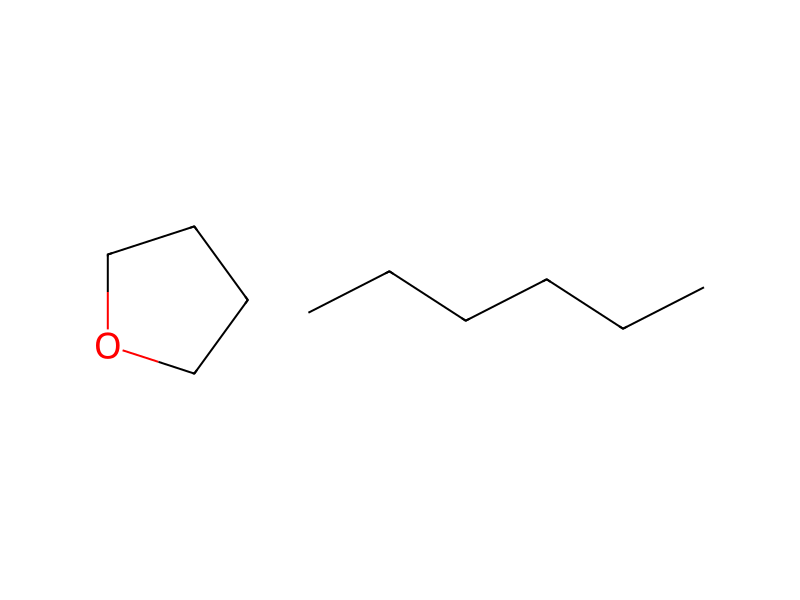
C(NC(C)C)(C)C.C([Li])CCC.[F:13][C:14]1[CH:19]=[CH:18][CH:17]=[CH:16][N:15]=1.[CH:20]1[C:33]2[C:32]3([CH2:35][N:36]4[CH2:41][CH2:40][C:39](=[O:42])[CH2:38][CH2:37]4)[CH2:34][CH:25]([C:26]4[C:31]3=[CH:30][CH:29]=[CH:28][CH:27]=4)[C:24]=2[CH:23]=[CH:22][CH:21]=1.[Br-].[Li+]>O1CCCC1.CCCCCC.O1CCCC1>[CH:30]1[C:31]2[C:32]3([CH2:35][N:36]4[CH2:41][CH2:40][C:39]([C:19]5[C:14]([F:13])=[N:15][CH:16]=[CH:17][CH:18]=5)([OH:42])[CH2:38][CH2:37]4)[CH2:34][CH:25]([C:24]4[C:33]3=[CH:20][CH:21]=[CH:22][CH:23]=4)[C:26]=2[CH:27]=[CH:28][CH:29]=1Participants
Reactant 5




Product 1

Reagents, catalysts & solvents 2

Conditions
- Temperature
- -20 °C
Procedure
To a cooled solution (-72° C.) of distilled diisopropylamine (7.86 mL, 56.1 mmol, 1.3 eq) in tetrahydrofuran/hexane (57 mL/37 mL) under nitrogen was added n-butyllithium (2.5M in hexane, 23.8 mL, 59.4 mmol, 1.4 eq). The resulting solution was warmed to -20° C. to assure deprotenation and then recooled to -72° C. A tetrahydrofuran (13 mL) solution of 2-fluoropyridine (4.50 mL, 53.5 mmol, 1.25 eq) was then added dropwise resulting in a yellow precipitate. The deprotenation reaction was warmed to -50° C. for 45 min and briefly allowed to reach -30° C. before being recooled to -72° C. To this solution was added a mixture of 1-(9,10-dihydro-9,10-methano-anthracen-9-ylmethyl)-4-piperidinone (described in example 5d) (13.0 g, 42.9 mmol) and lithium bromide (7.45 g, 85.8 mmol, 2 eq) in tetrahydrofuran (48 mL) in a dropwise fashion. In the course of the addition, the yellow precipitate dissolved. The reaction was warmed to -20° C. over 1.5 h and quenched with acetic acid (10 mL). The solution was diluted with water (400 mL), basified with 2.5N NaOH and extracted with ethyl acetate (3×300 mL). The combined organic extracts were dried over anhydrous sodium sulfate, filtered and reduced to a solid. The product was purified by recrystallization from ethyl acetate (3 crops) to yield 13.3 g (77%) of the title compound as a white solid. TLC analysis (Rf 0.22, 30% ethyl acetate in hexane). 1H NMR (CDCl3, 300 MHz) 8.09 (d, J=8.2 Hz, 1H), 7.91 (dd, J=8.2, 9.4 Hz, 1H), 7.21 (m, 5H), 6.94 (m, 4H), 4.27 (s, 1H), 3.48 (s, 2H), 2.91 (m, 2H), 2.74 (m, 2H), 2.62 (s, 2H), 2.26 (m, 2H), 1.78 (m, 2H) MS (CI, CH4) m/z 401 (M+1,100), 429 (M+29,15), 383 (21). The free base was dissolved in ether and acidified with ethereal HCl. The hydrochloride salt was filtered, washed with fresh ether and dried in vacuo (room temperature, 10 pascal, 18 h) to yield a white solid, mp 188°-191° C. (dec).
Workup
- customrecooled to -72° C
- customresulting in a yellow precipitate
- customThe deprotenation reaction
- temperaturewas warmed to -50° C. for 45 min
- customto reach -30° C.
- custombefore being recooled to -72° C
- additionTo this solution was added
- additionIn the course of the addition
- dissolutionthe yellow precipitate dissolved
- temperatureThe reaction was warmed to -20° C. over 1.5 h
- customquenched with acetic acid (10 mL)
- additionThe solution was diluted with water (400 mL)
- extractionextracted with ethyl acetate (3×300 mL)
- dry with materialThe combined organic extracts were dried over anhydrous sodium sulfate
- filtrationfiltered
- customThe product was purified by recrystallization from ethyl acetate (3 crops)
Sources & evidence
- ORD record
- ord-f17facdf3b9342e3b415d9d8434f591a
- Source dataset
- uspto-grants-1996_04
- Patent number
- US05512575
Reaction notes
Loading…