Hydrochloric Acid → HCID 17985442, compound
Reaction equation

C(NC(C)C)(C)C.[Li].[O:9]1[CH:13]=[CH:12][C:11]([C:14]([OH:16])=[O:15])=[CH:10]1.C([Si](C(C)C)(C(C)C)[O:21][CH2:22][C:23](=O)[CH2:24]O[Si](C(C)C)(C(C)C)C(C)C)(C)C.Cl>O1CCCC1.C(OC(=O)C)C>[OH:21][CH2:22][C:23]1[C:10]2[O:9][CH:13]=[CH:12][C:11]=2[C:14](=[O:16])[O:15][CH:24]=1Participants

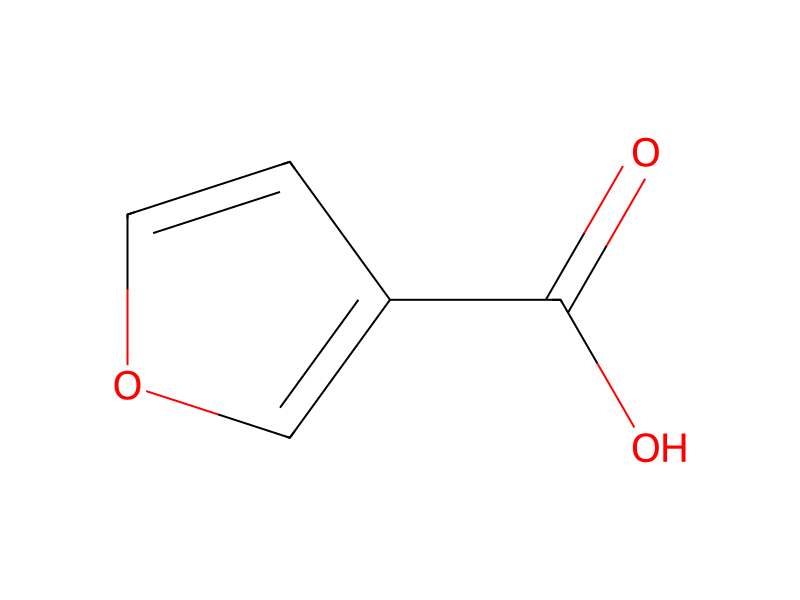




Conditions
- Temperature
- -78 °C
Procedure
Add lithium diisopropylamine (0.454 mole) as a solution in tetrahydrofuran (100) mL to a solution of 3-furoic acid (23.36 g, 0.208 mole) at −78° C. over 30 minutes and stir for 1 hour at −78° C. To the resulting di-anion add 1,3-Bis-triisopropylsilanyloxy-propan-2-one as a solution in tetrahydrofuran (250 mL)over 30 minutes and stir at −78° C. for 1 hour and allow to warm to room temperature overnight. Quench the reaction with saturated aqueous ammonium chloride, pour into ethylacetate (1 L), add 1N HCL (1L) and separate the two layers. Wash the organic layer with 1N HCl, water, and brine, dry over magnesium sulfate, filter and concentrate to an oil. Dissolve the crude oil in 50% tetrahydrofuran and 50% 3N HCl (1L) and heat a reflux over night. Distill off tetrahydrofuran, concentrate under reduced pressure and, add acetonitrile remove it under reduced pressure to azeotrope off the remaining water. Dissolve the resulting crude oil in acetonitrile (250 mL) and add the solution to a solution of toluene containing a catalytic amount of p-toluenesulfonic acid at reflux that is fitted with a Dean Stark trap over 30 minutes. Toluene was added to replace the acetonitrile and water removed by distillation and azetroping (500 mL). Heat the solution at reflux until it appears no futher water is being removed. The hot solution was poured into an erlenmeyer flask and allowed to cool. Triturate the brown remaining residue with ethylacetate and methanol and combine it with the toluene solution and concentrate. Dilute with ethylacetate and wash with saturated aqueous sodium bicarbonate and brine, dry over magnesium sulfate and concentrate to an off white solid. Purification by flash chromatography eluting with hexane:ethylacetate gives 13.27 g (42%) of the tide compound as a white solid.
Workup
- stirringstir at −78° C. for 1 hour
- temperatureto warm to room temperature overnight
- customQuench
- customthe reaction with saturated aqueous ammonium chloride
- customseparate the two layers
- washWash the organic layer with 1N HCl, water, and brine
- dry with materialdry over magnesium sulfate
- filtrationfilter
- concentrationconcentrate to an oil
- dissolutionDissolve the crude oil in 50% tetrahydrofuran
- temperature50% 3N HCl (1L) and heat
- temperaturea reflux over night
- distillationDistill off tetrahydrofuran
- concentrationconcentrate under reduced pressure
- additionadd acetonitrile
- customremove it under reduced pressure
- dissolutionDissolve the resulting crude oil in acetonitrile (250 mL)
- additionadd the solution to a solution of toluene containing a catalytic amount of p-toluenesulfonic acid
- temperatureat reflux that
- customis fitted with a Dean Stark trap over 30 minutes
- additionToluene was added
- customremoved by distillation
- temperatureHeat the solution
- temperatureat reflux until it
- customis being removed
- additionThe hot solution was poured into an erlenmeyer flask
- temperatureto cool
- customTriturate the
- concentrationconcentrate
- additionDilute with ethylacetate
- washwash with saturated aqueous sodium bicarbonate and brine
- dry with materialdry over magnesium sulfate
- concentrationconcentrate to an off white solid
- customPurification by flash chromatography
- washeluting with hexane
Sources & evidence
- ORD record
- ord-af623586e2db4b39a010b537364f7f3d
- Source dataset
- uspto-grants-2009_02
- Patent number
- US07491716B2
Reaction notes
Loading…