Hydrochloric Acid → HCID 178470336, compound
Reaction equation

C(O)C.[Na].[C:5](OCC)(=O)[C:6]([O:8][CH2:9][CH3:10])=[O:7].[CH2:15]([O:17][C:18](=[O:23])[CH2:19][NH:20]C=O)[CH3:16].[S-:24][C:25]#[N:26].[K+].Cl>CCOCC.O>[SH:24][C:25]1[NH:20][C:19]([C:18]([O:17][CH2:15][CH3:16])=[O:23])=[C:5]([C:6]([O:8][CH2:9][CH3:10])=[O:7])[N:26]=1Participants
Reactant 6



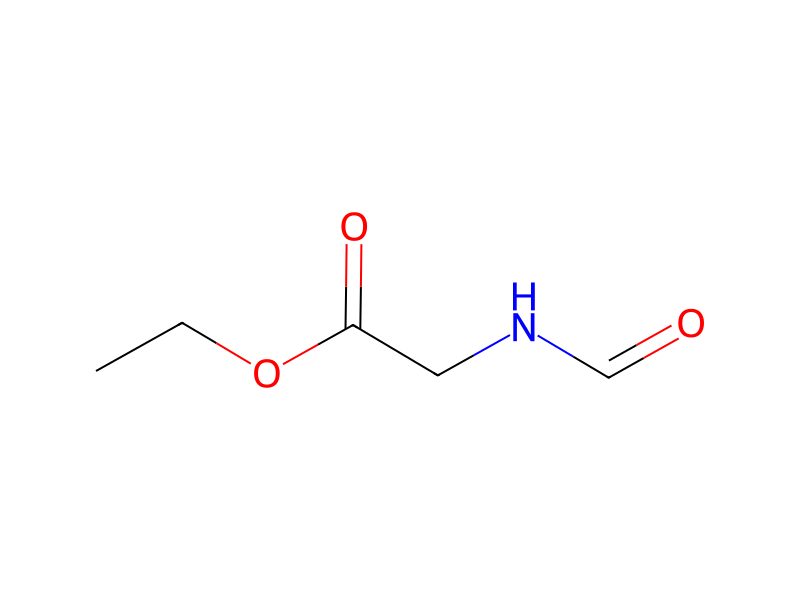


Product 1

Reagents, catalysts & solvents 2


Procedure
Absolute ethanol (58 g; 1.25 mol) was added to a suspension of clean sodium (29 g; 1.25 g atom cut into small pieces) in anhydrous ether (700 mL). Diethyl oxalate (182 g; 1.25 mol) was added slowly to this mixture so that the exothermic reaction did not become too vigorous. The N-formyl-glycine ethyl ester (131 g; 1.0 mol) was added dropwise with stirring to the resulting solution and a red-brown precipitate formed. The mixture was allowed to stand overnight then water (1 L) was added to dissolve the precipitate and the ether layer was separated. Potassium thiocyanate (170 g; 1.75 mol) and concentrated hydrochloric acid (240 mL) were added to the aqueous solution. The yellow aqueous solution was slowly heated to 40°-60° C. for 6 hours and cooled. The yellow granular precipitate was filtered. The filtrate was concentrated to give an additional amount of the same product. The total product yield of 109.0 g (45%) of diethyl 2-mercapto-4,5-imidazoledicarboxylate was obtained.
Workup
- customa red-brown precipitate formed
- dissolutionto dissolve the precipitate
- customthe ether layer was separated
- temperatureThe yellow aqueous solution was slowly heated to 40°-60° C. for 6 hours
- temperaturecooled
- filtrationThe yellow granular precipitate was filtered
- concentrationThe filtrate was concentrated
- customto give an additional amount of the same product
Sources & evidence
- ORD record
- ord-5d8c7bae09264dd9b2f552ca1213f423
- Source dataset
- uspto-grants-1994_07
- Patent number
- US05329012
Reaction notes
Loading…