Acetone → 1-(3-Bromopropoxy)-4-chlorobenzene
Reaction equation

C(=O)([O-])[O-].[K+].[K+].CC(C)=O.[Cl:11][C:12]1[CH:17]=[CH:16][C:15]([OH:18])=[CH:14][CH:13]=1.[Br:19][CH2:20][CH2:21][CH2:22]Br>C(C(C)=O)C>[Cl:11][C:12]1[CH:17]=[CH:16][C:15]([O:18][CH2:22][CH2:21][CH2:20][Br:19])=[CH:14][CH:13]=1Participants
6
Reactant 4

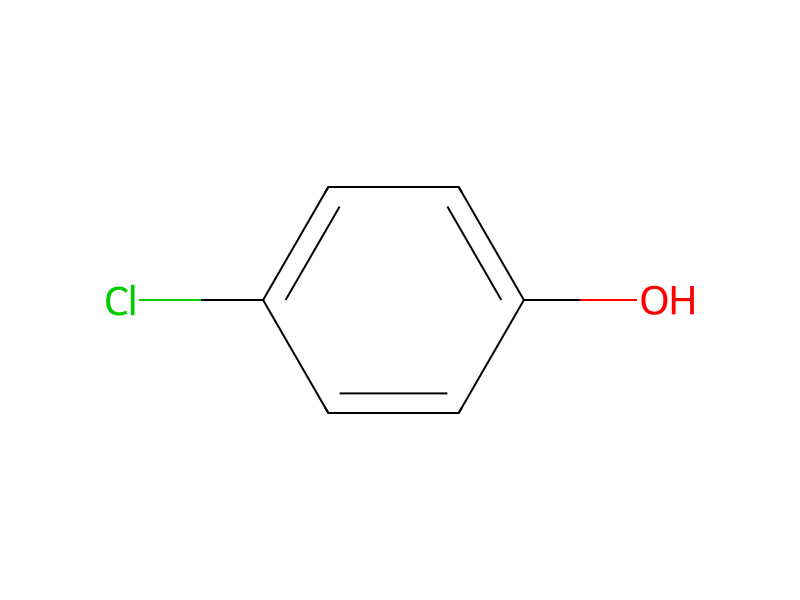


Product 1

Reagents, catalysts & solvents 1

Conditions
- Temperature
- 60 °C
Procedure
10 g of potassium carbonate was added to 30 ml of a methyl ketone solution containing 15.9 g of p-chlorophenol, and the solution was then heated with stirring at 60° C. for 1 hour. Afterward, 30 ml of a methyl ethyl ketone solution containing 50 g of 1,3-dibromopropane was added dropwise; After the addition, the solution was heated under reflux for 3 hours. The reaction solution was then cooled and a precipitate was removed therefrom, and the solution was evaporated to dryness under reduced pressure to obtain 23.2 g of 4-chlorophenoxypropyl bromide.
Workup
- temperaturethe solution was then heated
- additionwas added dropwise
- additionAfter the addition
- temperaturethe solution was heated
- temperatureunder reflux for 3 hours
- temperatureThe reaction solution was then cooled
- customa precipitate was removed
- customthe solution was evaporated to dryness under reduced pressure
Sources & evidence
- ORD record
- ord-a6dcaf1910614b82a9bb381eb9670e4c
- Source dataset
- uspto-grants-1994_07
- Patent number
- US05332739
Reaction notes
Loading…