Benzene → Butanal
Reaction equation

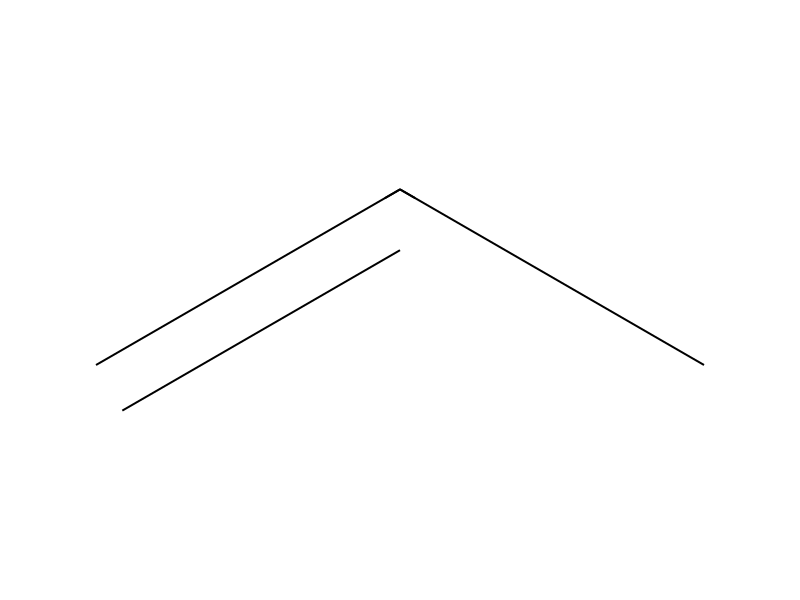
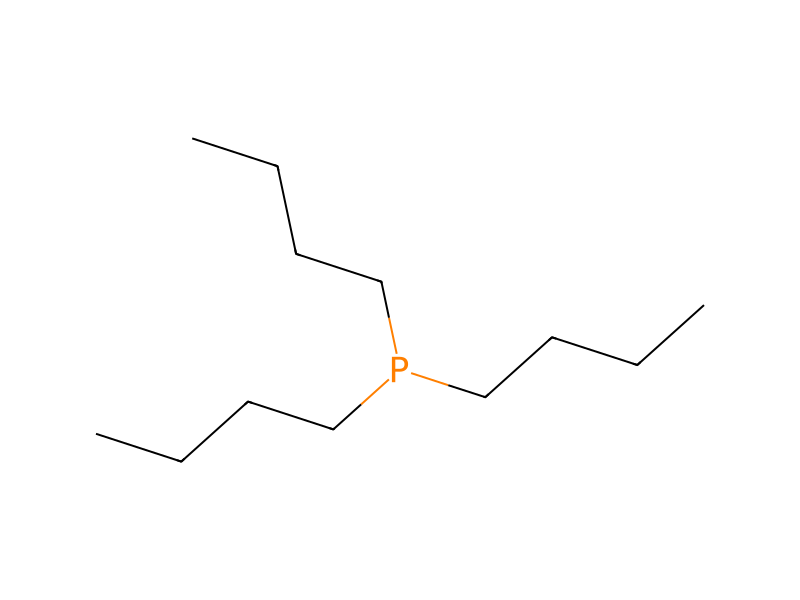
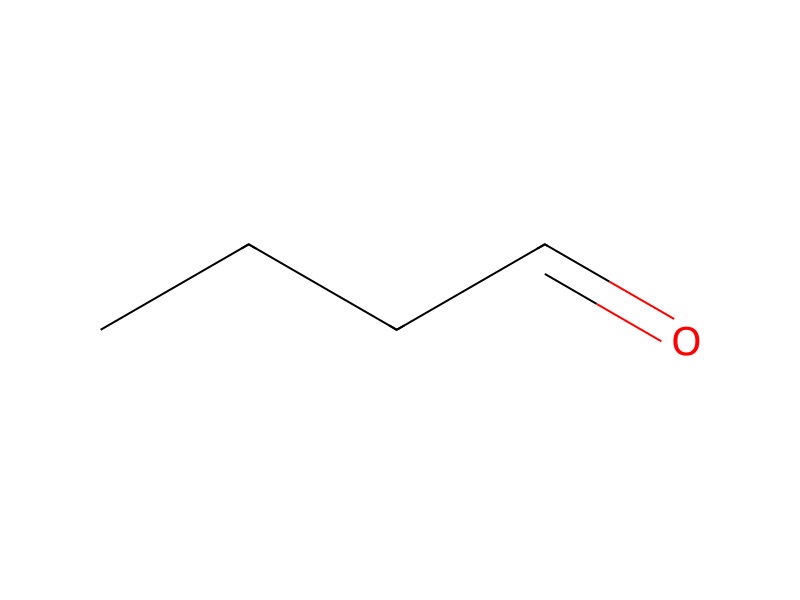
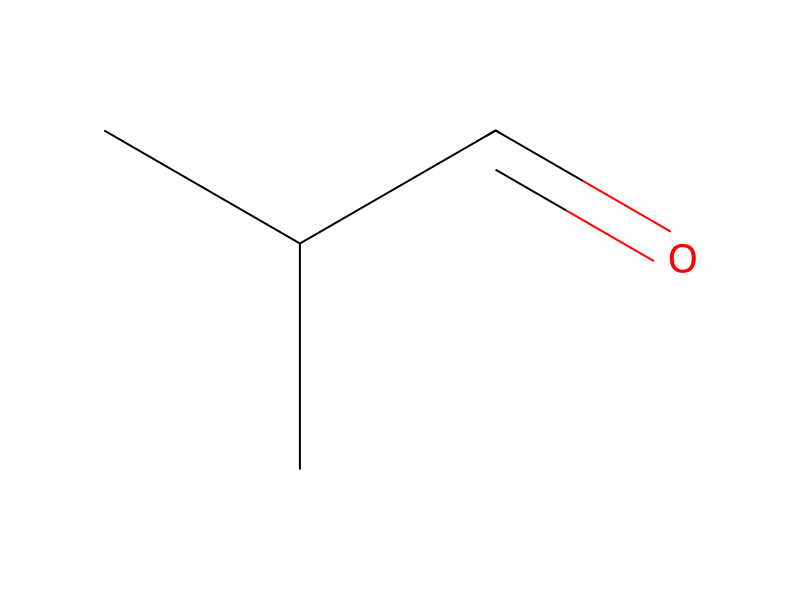
P([CH2:10][CH2:11][CH2:12][CH3:13])(CCCC)[CH2:2][CH2:3][CH2:4][CH3:5].[CH:14]1[CH:19]=[CH:18][CH:17]=[CH:16][CH:15]=1.C=[CH:21][CH3:22].[CH2:23]([OH:27])[CH:24]([CH3:26])[CH3:25]>CCCCC.C(O)CCC>[CH:23](=[O:27])[CH:24]([CH3:26])[CH3:25].[CH:2](=[O:27])[CH2:3][CH2:4][CH3:5].[CH2:15]([CH:16]([CH2:10][CH2:11][CH2:12][CH3:13])[CH:17]=[O:27])[CH3:14].[CH2:21]([C:19](=[CH:18][CH2:17][CH2:16][CH3:15])[CH:14]=[O:27])[CH3:22]Participants
Reactant 4


Product 4


Reagents, catalysts & solvents 2


Procedure
A phosphine complex, [Co(C0)3 (Bu3P)]2, which was prepared by reacting Co(CO3)2 and Bu3P in pentane under high pressure of mixed gas of H2 and CO and was used for the present work. Microspheres of the support of Example III (15g) was charged along with benzene in a 300 cc autoclave. After the system was thoroughly purged with hydrogen for 2/3 hours, a complex solution (1.7 mm [Co(CO)3 (Bu3P)]2 dissolved in benzene) was injected through a serum cap. As soon as 20 g propylene was fed into the reactor, the reactor was pressured with H2 and CO (H2 /CO = 1) to 1400 psig at 70° F. The reactor was slowly heated to attain 1700 psig at 225° F. within 40 minutes. The initial pressure drop was noticed at this stage, and the pressure continuously dropped to 1340 psig for about 30 minutes (at 225°- 283° F). After this stage, the pressure drop was virtually stopped for 20 minutes. The system was again pressured with hydrogen to 1820 psig, and the system was held to 1820-1830 psig at 300°-345° F. for about 20 minutes without observing any significant pressure drop. A very slow second pressure drop was noticed under 1830 psig at 145° F., and the pressure drop continued for an additional 11/3 hours. The pressure dropped slowly (but persistently) during this period to give 1600 psig when the reaction was quenched by running cold water through a cooling coil. A yellow-brown reaction mixture was discharged from the reactor and the second run was immediately followed by feeding 20 g propylene to a mixture of 15 ml Bu3N and 55 ml benzene. The reactor was pressurized from 120 psig to 750 psig with carbon monoxide and then to 1450 psig with hydrogen at 90° F. The system was heated slowly to attain 2120 psig at 330° F. within an 11/2 hour period. The initial pressure drop was observed at this stage, and the maximum pressure, 2120 psig, dropped to 1150 psig in 50 minutes. The system was again pressured to 1600 psig at 357° F. with hydrogen. The reaction as allowed to proceed for an additional 20-minute period. During this period, the pressure dropped to 1150 psig. The reaction was quenched, and a red reaction mixture was discharged from the reactor. The solid catalyst left inside of the autoclave was rinsed with 60 ml benzene. Both the discharged reaction mixture and the rinsed solution were analyzed by means of gas chromatographic techniques. About 43% of the propylene feed was converted to give 9.1% isobutanal, 41.7% n-butanal, 3.6 % iso-butanol, 13.3% n-butanol, 7.9% 2-ethylhexanal, 21.0% 2-ethyl-2-hexenal and 3.3% unidentified products. The weight ratio of n-products (plus the products derived from n-butanal) to iso-products was found to be 7/1. The results obtained fron these runs clearly indicate that the initial phase of activity observed in this work exhibited at somewhat lower temperature (~115° C.) than the homogeneous system without the support. It is also indicated that the catalyst deactivated by either a prolonged continuous run or poisoning effect of oxygen can be effectively regenerated by injecting fresh tri-n-butylphosphine (or tri-n-butylamine) to the inactivated catalyst. A large excess of phosphine remarkably increases the level of the catalytic activity of the active catalyst, while in a homogeneous system, a large excess of phosphine ligand tends to exhibit a retarding effect on the catalytic reaction. It further appears that the solid catalyst is not merely a soluble homogeneous catalyst species impregnated on the support base. In short, the catalytic composition of the solid catalyst and homogeneous catalyst are believed to be different. It appears that there is no definite advantage to prepare the solid catalyst from the cobalt complex, Co2 (C0)6 (Bu3P)2. The solid catalyst can be readily prepared in situ from a cobalt salt.
Workup
- customA phosphine complex, [Co(C0)3 (Bu3P)]2, which was prepared
- customAfter the system was thoroughly purged with hydrogen for 2/3 hours
- dissolutiona complex solution (1.7 mm [Co(CO)3 (Bu3P)]2 dissolved in benzene)
- customcap
- customwas pressured with H2 and CO (H2 /CO = 1) to 1400 psig at 70° F
- temperatureThe reactor was slowly heated
- customat 225° F.
- customwithin 40 minutes
- additionthe pressure continuously dropped to 1340 psig for about 30 minutes (at 225°- 283° F)
- waitthe system was held to 1820-1830 psig at 300°-345° F. for about 20 minutes
- customwas noticed under 1830 psig at 145° F.
- custom3 hours
- additionThe pressure dropped slowly (but persistently) during this period
- customto give 1600 psig when the reaction
- customwas quenched
- additionto a mixture of 15 ml Bu3N and 55 ml benzene
- customat 90° F
- temperatureThe system was heated slowly
- customat 330° F.
- custom2 hour period
- additionthe maximum pressure, 2120 psig, dropped to 1150 psig in 50 minutes
- customwas again pressured to 1600 psig at 357° F. with hydrogen
- customThe reaction
- waitto proceed for an additional 20-minute period
- waitDuring this period
- additionthe pressure dropped to 1150 psig
- customThe reaction was quenched
- waitThe solid catalyst left inside of the autoclave
- washwas rinsed with 60 ml benzene
- customBoth the discharged reaction mixture
Sources & evidence
- ORD record
- ord-d6ef2dc29ccb474da90d0917a098a43c
- Source dataset
- uspto-grants-1976_11
- Patent number
- US03991119
Reaction notes
Loading…