Phenacyl bromide → 1-Phenacyl-4-benzamidopiperidine
Reaction equation

[CH2:1](Br)[C:2]([C:4]1[CH:9]=[CH:8][CH:7]=[CH:6][CH:5]=1)=[O:3].[C:11]([NH:19][CH:20]1[CH2:25][CH2:24][NH:23][CH2:22][CH2:21]1)(=[O:18])[C:12]1[CH:17]=[CH:16][CH:15]=[CH:14][CH:13]=1.C(=O)([O-])[O-].[K+].[K+]>C(O)(C)C>[CH2:1]([N:23]1[CH2:24][CH2:25][CH:20]([NH:19][C:11](=[O:18])[C:12]2[CH:17]=[CH:16][CH:15]=[CH:14][CH:13]=2)[CH2:21][CH2:22]1)[C:2]([C:4]1[CH:9]=[CH:8][CH:7]=[CH:6][CH:5]=1)=[O:3]Participants
5
Reactant 3
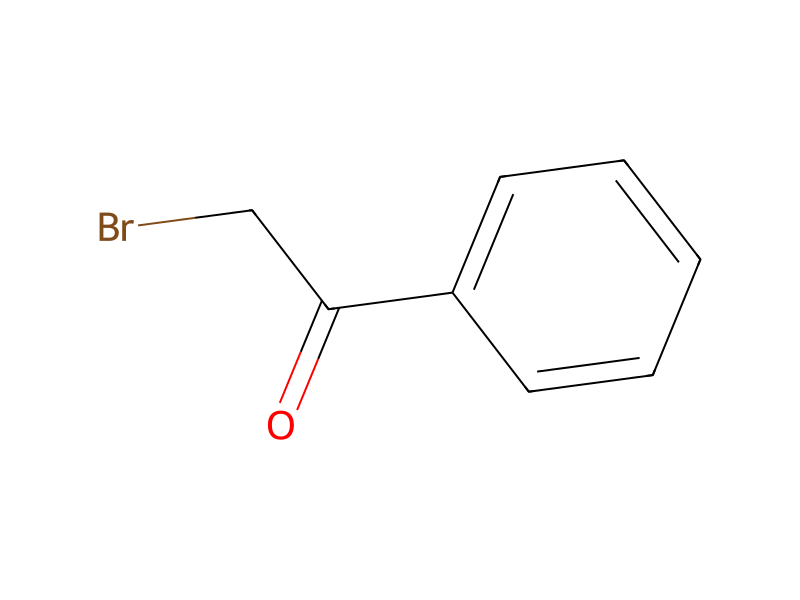


Product 1

Reagents, catalysts & solvents 1

Procedure
Phenacyl bromide (2 g.), 4-benzamidopiperidine (2 g.) and potassium carbonate (2 g.) in isopropanol (25 ml.) were heated under reflux for 2 hours. The resulting solid was filtered, suspended in water and re-filtered to give the product (1.57 g.), m.p. 168° C. (Found: C, 74.4; H, 6.8; N, 8.8. C20H22N2O2 requires C, 74.5; H, 6.9; N, 8.7%).
Workup
- temperatureunder reflux for 2 hours
- filtrationThe resulting solid was filtered
- filtrationre-filtered
- customto give the product (1.57 g.), m.p. 168° C. (Found: C, 74.4; H, 6.8; N, 8.8. C20H22N2O2 requires C, 74.5; H, 6.9; N, 8.7%)
Sources & evidence
- ORD record
- ord-563b053fc5884f08a853cde3e3289e3d
- Source dataset
- uspto-grants-1976_11
- Patent number
- US03992389
Reaction notes
Loading…