Aniline → N-Phenylanthranilic Acid
Reaction equation

[NH2:1][C:2]1[CH:7]=[CH:6][CH:5]=[CH:4][CH:3]=1.Cl[C:9]1[CH:17]=[CH:16][CH:15]=[CH:14][C:10]=1[C:11]([OH:13])=[O:12].C(=O)([O-])[O-].[K+].[K+]>>[C:2]1([NH:1][C:9]2[C:10](=[CH:14][CH:15]=[CH:16][CH:17]=2)[C:11]([OH:13])=[O:12])[CH:7]=[CH:6][CH:5]=[CH:4][CH:3]=1Participants

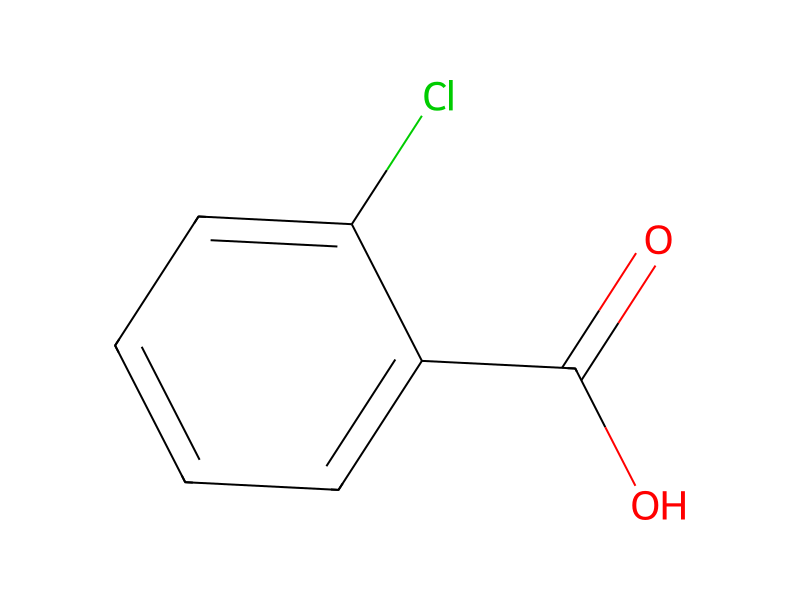

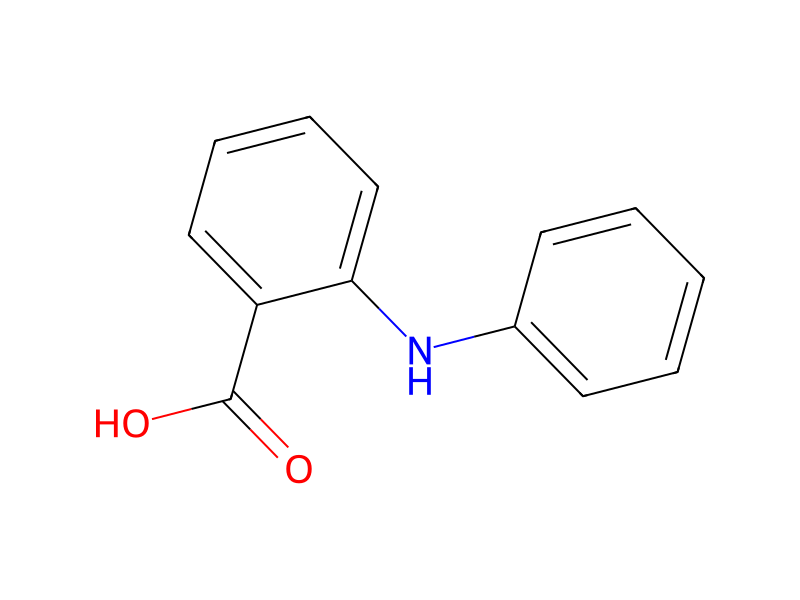
Procedure
Redistilled aniline (310 g, 3.32 mol), pure 2-chlorobenzoic acid (82 g, 0.52 mol), fresh dried potassium carbonate (82 g, 0.6 mol) and cupric oxide (2.0 g) are refluxed for two hours in an oil bath (air cooler). Excess aniline is initially removed by distillation in vacuum and later by water vapor. The remaining solution (500 ml) is boiled for 15 min. with 40 g of activated carbon and filtrated. The filtrate is poured into a mixture of concentrated hydrochloric acid (60 ml) and water (120 ml) during agitation. After cooling the deposit is separated by filtration, washed in water and dried at 120° C. This blue-grey product is cleaned out by dissolving 50 g in 1000 ml of water containing 25 g of sodium carbonate and boiling for 5 minutes with 25 g activated carbon. This is followed by filtration and precipitation with concentrated hydrochloric acid (vigorous foaming). The deposit is separated by filtration, washed in water and dried at 120° C.
Workup
- temperatureare refluxed for two hours in an oil bath (air cooler)
- customExcess aniline is initially removed by distillation in vacuum and later by water vapor
- filtrationfiltrated
- additionThe filtrate is poured into a mixture of concentrated hydrochloric acid (60 ml) and water (120 ml) during agitation
- temperatureAfter cooling the deposit
- customis separated by filtration
- washwashed in water
- customdried at 120° C
- dissolutionby dissolving 50 g in 1000 ml of water containing 25 g of sodium carbonate
- waitboiling for 5 minutes with 25 g
- filtrationThis is followed by filtration and precipitation with concentrated hydrochloric acid (vigorous foaming)
- customThe deposit is separated by filtration
- washwashed in water
- customdried at 120° C.
Sources & evidence
- ORD record
- ord-aa41663de68b450da3866cceb85d5ab3
- Source dataset
- uspto-grants-1976_11
- Patent number
- US03994688
Reaction notes
Loading…