Sodium Carbonate → Sodium Sulfate
Reaction equation

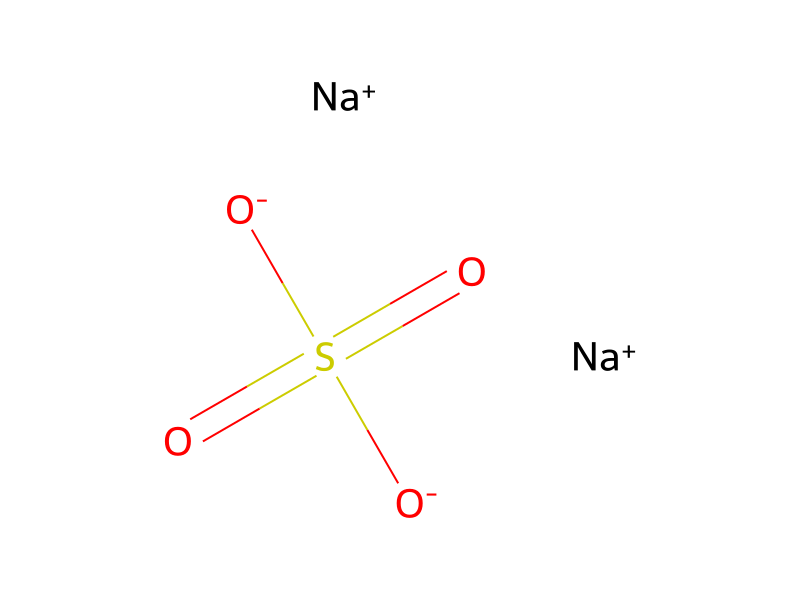
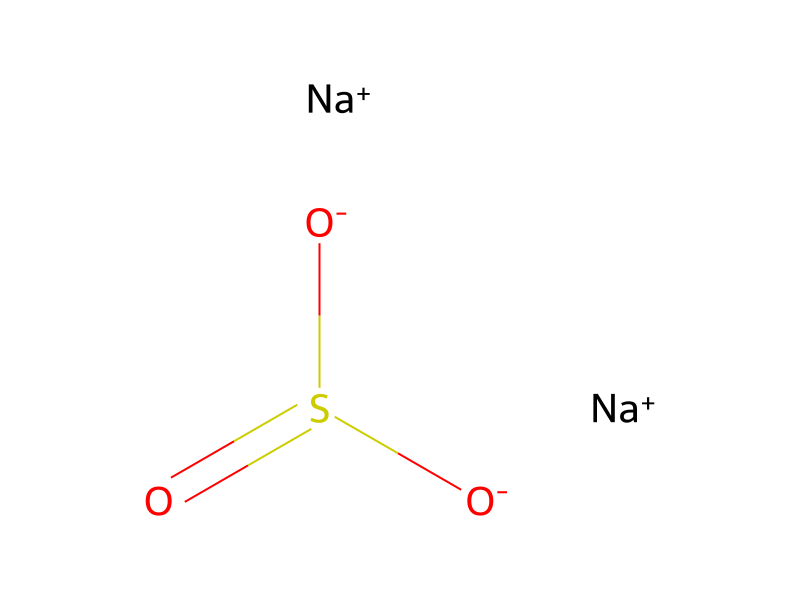
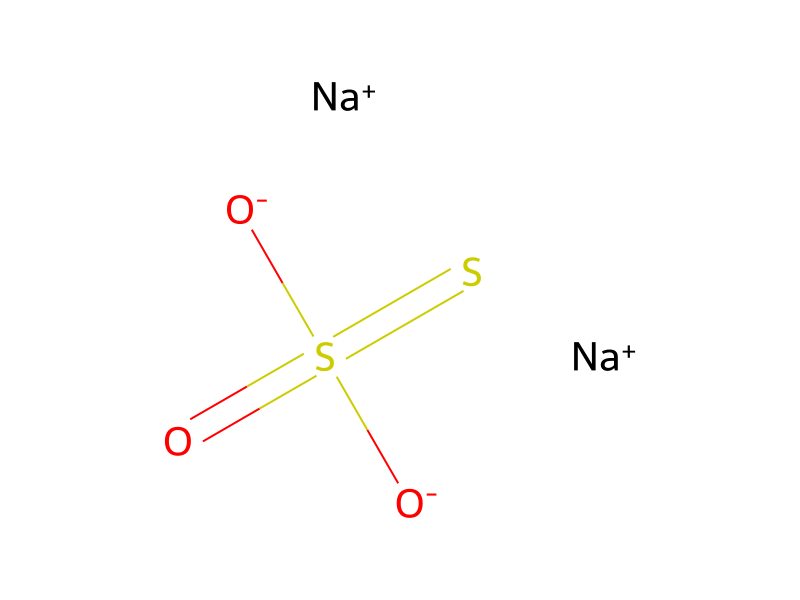
[S:1]([O-:4])([O-:3])=[O:2].[Na+:5].[Na+].[S:7]([O-:11])([O-:10])(=[O:9])=[O:8].[Na+].[Na+].[S-2].[Na+].[Na+].C(=O)([O-])[O-].[Na+].[Na+]>>[S:7]([O-:11])([O-:10])(=[O:9])=[O:8].[Na+:5].[Na+:5].[S:1]([O-:4])([O-:3])(=[O:2])=[S:7].[Na+:5].[Na+:5]Participants


Procedure
The concentrated sodium sulfite or sodium bisulfite solution can be mixed with an auxilary fuel containing carbon such as oil or sprayed into the smelter with the auxilary fuel such as gas, carbon, petroleum coke, wood, sawdust or pulverized coal fired separetely. A low ash fuel is preferred to avoid ash buildup problems. Initial burning and evaporation takes place in the oxidation section where the sodium sulfite is concentrated and secondary air is provided for fuel oxidation. Sodium sulfite and carbon particles drop to the bottom of the smelter and form a smelt bed. A limited amount of heated primary air is used in the bottom of the smelter for reduction burning to convert sodium sulfite or sodium sulfate to sodium sulfide and sodium carbonate. Some by-product sodium sulfate and sodium thiosulfate are produced and will circulate through the system. However, the smelting operation also reduces the sodium sulfate and sodium thiosulfate so no buildup is encountered in the system.
Sources & evidence
- ORD record
- ord-0560a44c32ed445fa2bdcf6e7125e72e
- Source dataset
- uspto-grants-1980_12
- Patent number
- US04241041
Reaction notes
Loading…