Hydrochloric Acid → HCID 19437751, compound
Reaction equation

[CH2:1]([N:8]1[C:12]([CH3:13])=[CH:11][C:10]([C:14](OCC)=[O:15])=[C:9]1[C:19]([O:21]CC)=O)[C:2]1[CH:7]=[CH:6][CH:5]=[CH:4][CH:3]=1.O.[NH2:25][NH2:26].Cl>COCCOCCOC>[CH2:1]([N:8]1[C:9]2[C:19](=[O:21])[NH:25][NH:26][C:14](=[O:15])[C:10]=2[CH:11]=[C:12]1[CH3:13])[C:2]1[CH:7]=[CH:6][CH:5]=[CH:4][CH:3]=1Participants
5
Reactant 3



Product 1

Reagents, catalysts & solvents 1
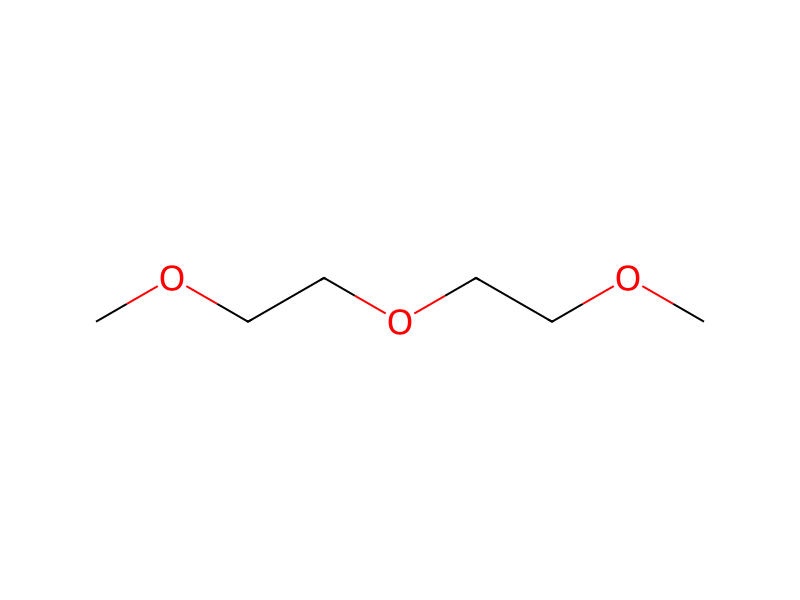
Conditions
- Temperature
- 110 °C
Procedure
A solution of 175.3 g (0.56 mol) of diethyl 1-benzyl-5-methylpyrrole-2,3-dicarboxylate and 540 ml (11.1 mol) of hydrazine hydrate in 880 ml of diglyme is heated to 110° C. After 2 h, a further 270 ml (5.5 mol) of hydrazine hydrate are added dropwise in the course of 90 min. The mixture is subsequently stirred at 110° C. for a further 16 h. After cooling and addition of 2 1 of ice-water, the mixture is adjusted to pH 5 with conc. hydrochloric acid. The precipitate is filtered with suction and washed with 5 1 of water. After drying over potassium hydroxide in a high vacuum and precipitating from diisopropyl ether/ethyl acetate, 127.3 g (89%) of the title compound are isolated. M.p.: 322°-324° C.
Workup
- temperatureAfter cooling
- filtrationThe precipitate is filtered with suction
- washwashed with 5 1 of water
- dry with materialAfter drying over potassium hydroxide in a high vacuum
- customprecipitating from diisopropyl ether/ethyl acetate, 127.3 g (89%) of the title compound
- customare isolated
Sources & evidence
- ORD record
- ord-8209adf13dce48aa9490120f0197f563
- Source dataset
- uspto-grants-1996_07
- Patent number
- US05534515
Reaction notes
Loading…