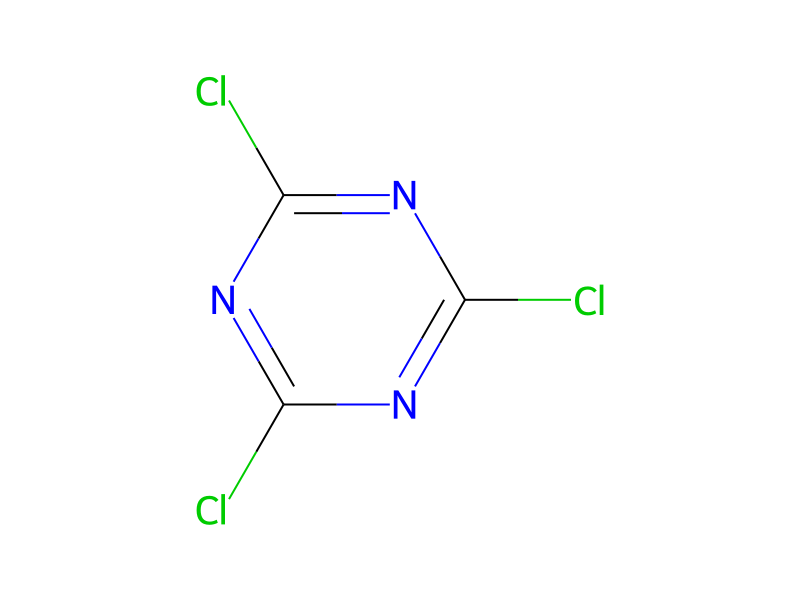
Cyanuric chloride → HCID 19436864, compound
Reaction equation

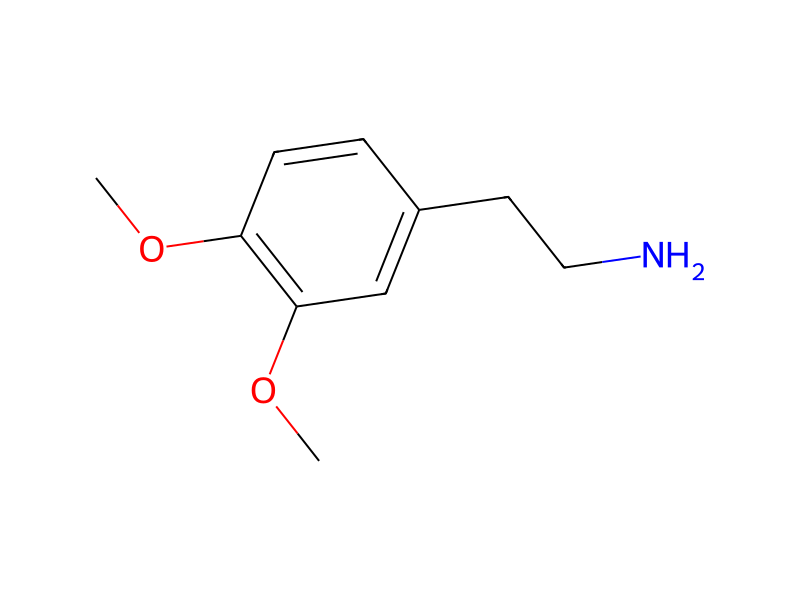
[N:1]1[C:8](Cl)=[N:7][C:5](Cl)=[N:4][C:2]=1[Cl:3].[CH3:10][O:11][C:12]1[CH:13]=[C:14]([CH2:20][CH2:21][NH2:22])[CH:15]=[CH:16][C:17]=1[O:18][CH3:19].[OH-].[Na+].[O:25]1[CH2:30][CH2:29][O:28][CH2:27][CH2:26]1>>[Cl:3][C:2]1[N:1]=[C:8]([NH:22][CH2:21][CH2:20][C:14]2[CH:15]=[CH:16][C:17]([O:18][CH3:19])=[C:12]([O:11][CH3:10])[CH:13]=2)[N:7]=[C:5]([NH:22][CH2:21][CH2:20][C:14]2[CH:13]=[CH:12][C:29]([O:28][CH3:27])=[C:30]([O:25][CH3:26])[CH:15]=2)[N:4]=1Participants
5



Procedure
Cyanuric chloride (2.0 g, 10.85 mM) was dispersed in dioxane (80 mL) with stirring and 2-(3,4-dimethoxyphenyl)ethylamine (3.93 g, 21.68 mM) was introduced dropwise over 2 minutes. Sodium hydroxide (1N, 24 mL) was added dropwise over 5 minutes then the whole was brought to reflux for 18 hours. Cooling to ambient temperature caused a white solid to precipitate. Diethyl ether (100 mL) was introduced to fully precipitate the product which was filtered, rinsed with diethyl ether and dried. 5.05 g, (98%), mp=186°-186.5° C.
Workup
- temperatureto reflux for 18 hours
- customto precipitate
- additionDiethyl ether (100 mL) was introduced
- customto fully precipitate the product which
- filtrationwas filtered
- washrinsed with diethyl ether
- customdried
Sources & evidence
- ORD record
- ord-e31414c71e1a482f9c4a21083f49e75e
- Source dataset
- uspto-grants-1996_07
- Patent number
- US05536722
Reaction notes
Loading…