3,4-dihydro-2H-pyran → 2,3,4-trifluoro-5-pivaloylamino-O-tetrahydropyranylphenol
Reaction equation

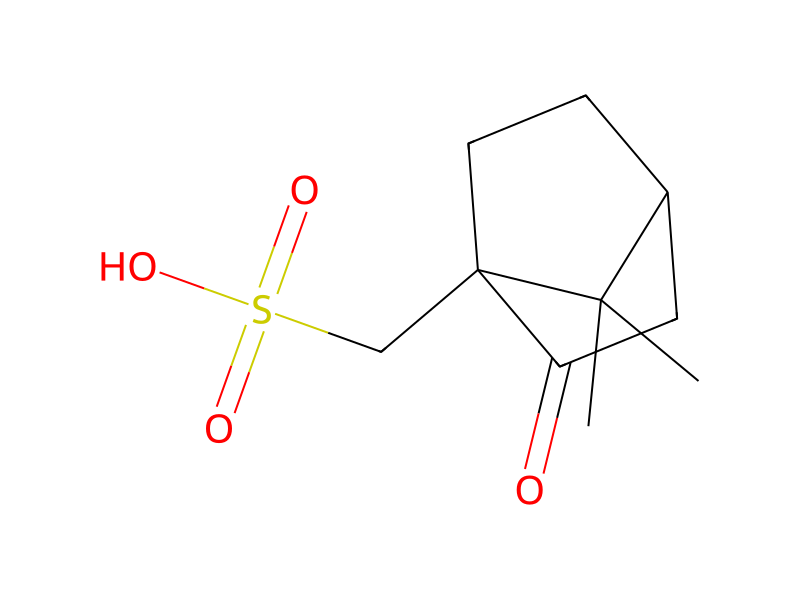
[F:1][C:2]1[C:7]([F:8])=[C:6]([F:9])[C:5]([NH:10][C:11](=[O:16])[C:12]([CH3:15])([CH3:14])[CH3:13])=[CH:4][C:3]=1[OH:17].[O:18]1[CH:23]=[CH:22][CH2:21][CH2:20][CH2:19]1.C(=O)([O-])[O-].[K+].[K+]>ClCCl.CC1(C)C2(CS(O)(=O)=O)C(CC1CC2)=O>[F:1][C:2]1[C:7]([F:8])=[C:6]([F:9])[C:5]([NH:10][C:11](=[O:16])[C:12]([CH3:14])([CH3:13])[CH3:15])=[CH:4][C:3]=1[O:17][CH:19]1[CH2:20][CH2:21][CH2:22][CH2:23][O:18]1Participants
6
Reactant 3



Product 1

Reagents, catalysts & solvents 2

Procedure
1.19 g (4.82 mmol) of the above 2,3,4-trifluoro-5-pivaloylaminophenol was dissolved in 50 mL of dichloromethane, 0.88 mL (9.6 mmol) of 3,4-dihydro-2 H-pyran and 22 mg (0.095 mmol) of dl-camphorsulfonic acid were added and the mixture was stirred at room temperature for 1 hour. The reaction solution was poured into 100 mL of a 10% aqueous solution of potassium carbonate and the mixture was extracted once with chloroform. The organic layer was washed once with an aqueous saturated solution of sodium chloride and dried over anhydrous sodium sulfate. The solvent was distilled off under reduced pressure and the residue was triturated with n-hexane to give 1.25 g of 2,3,4-trifluoro-5-pivaloylamino-O-tetrahydropyranylphenol (yield: 78%).
Workup
- extractionthe mixture was extracted once with chloroform
- washThe organic layer was washed once with an aqueous saturated solution of sodium chloride
- dry with materialdried over anhydrous sodium sulfate
- distillationThe solvent was distilled off under reduced pressure
- customthe residue was triturated with n-hexane
Sources & evidence
- ORD record
- ord-34f91d6fcce6405384508bc4fc3167a9
- Source dataset
- uspto-grants-1996_07
- Patent number
- US05539112
Reaction notes
Loading…