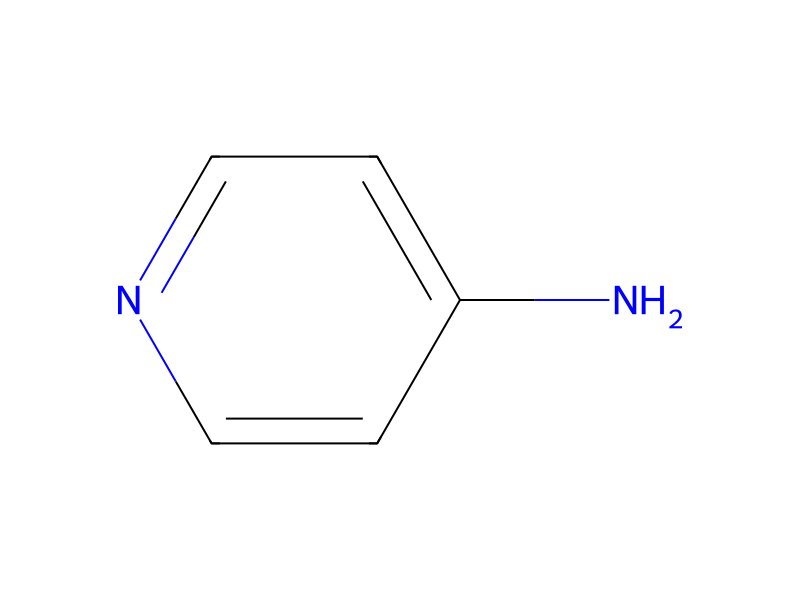
4-Aminopyridine → 1H-Indole-3-acetamide, 1-[(4-fluorophenyl)methyl]-N-4-pyridinyl-
Reaction equation

[F:1][C:2]1[CH:21]=[CH:20][C:5]([CH2:6][N:7]2[C:15]3[C:10](=[CH:11][CH:12]=[CH:13][CH:14]=3)[C:9]([CH2:16][C:17](O)=[O:18])=[CH:8]2)=[CH:4][CH:3]=1.C1(N=C=NC2CCCCC2)CCCCC1.[NH2:37][C:38]1[CH:43]=[CH:42][N:41]=[CH:40][CH:39]=1>O1CCCC1>[N:41]1[CH:42]=[CH:43][C:38]([NH:37][C:17](=[O:18])[CH2:16][C:9]2[C:10]3[C:15](=[CH:14][CH:13]=[CH:12][CH:11]=3)[N:7]([CH2:6][C:5]3[CH:4]=[CH:3][C:2]([F:1])=[CH:21][CH:20]=3)[CH:8]=2)=[CH:39][CH:40]=1Participants
5




Conditions
- Temperature
- 0 °C
Procedure
3.5 g (12.3 mMol) [1-(4-fluorobenzyl)indole-3-yl]acetic acid are dissolved in 100 ml anhydrous tetrahydrofuran. To this solution are added 2.54 g (12.3 mMol) dicyclohexylcarbodiimide and 1.16 g (12.3 mMol) 4-aminopyridine. After stirring for 24 hours at 0° C., the formed dicyclohexyl urea is separated off. After mixing in the solvent, the residue is purified by column chromatography on silica gel. Eluting agent:
Workup
- customthe formed dicyclohexyl urea is separated off
- additionAfter mixing in the solvent
- customthe residue is purified by column chromatography on silica gel
- washEluting agent
Sources & evidence
- ORD record
- ord-66f2f6ccaa484399b5c9e7df989c5bae
- Source dataset
- uspto-grants-1999_10
- Patent number
- US05965582
Reaction notes
Loading…