Hydrochloric Acid → HCID 21840843, compound
Reaction equation

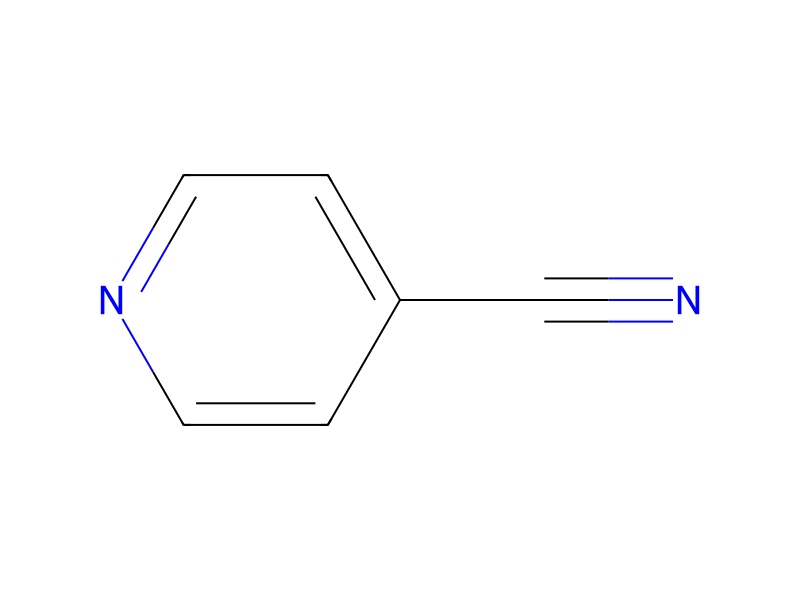
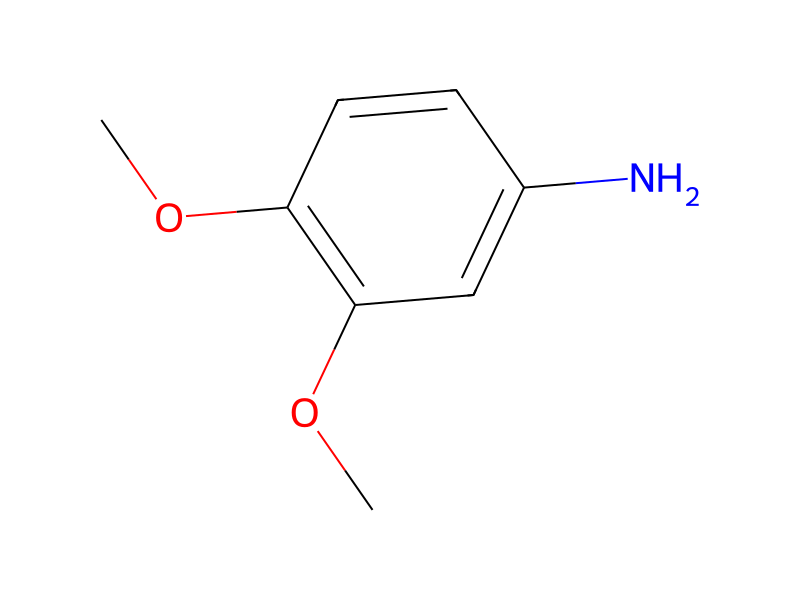
B(Cl)(Cl)Cl.[CH3:5][O:6][C:7]1[CH:8]=[C:9]([CH:11]=[CH:12][C:13]=1[O:14][CH3:15])[NH2:10].[C:16]([C:18]1[CH:23]=[CH:22][N:21]=[CH:20][CH:19]=1)#N.Cl.[OH-:25].[Na+]>ClCCCl>[CH3:5][O:6][C:7]1[CH:8]=[C:9]([C:11]([C:16](=[O:25])[C:18]2[CH:23]=[CH:22][N:21]=[CH:20][CH:19]=2)=[CH:12][C:13]=1[O:14][CH3:15])[NH2:10]Participants
Reactant 5



Product 1

Reagents, catalysts & solvents 1

Procedure
To 1,2-dichloroethane (150 ml) is added boron chloride (25 g) under ice-cooling, and the mixture is stirred for 15 minutes. To the reaction mixture is added dropwise a solution of 3,4-dimethoxyaniline (36.3 g) in 1,2-dichloroethane (150 ml), and thereto is added 4-cyanopyridine (27.1 g). The reaction mixture is heated under reflux overnight, and thereto is added 2 M hydrochloric acid (160 ml). The mixture is heated with stirring at 80° C. for two hours, and thereto is added a 2 M aqueous sodium hydroxide solution (450 ml) under ice-cooling. The mixture is separated to collect the 1,2-dichloroethane layer, and the aqueous layer is extracted with ethyl acetate. The organic layers are combined, washed, dried and concentrated. The residue is crystallized from ether to give 3,4-dimethoxy-6-isonicotinoylaniline (13.1 g).
Workup
- temperaturecooling
- temperatureThe reaction mixture is heated
- temperatureunder reflux overnight
- temperatureThe mixture is heated
- stirringwith stirring at 80° C. for two hours
- temperaturecooling
- customThe mixture is separated
- customto collect the 1,2-dichloroethane layer
- extractionthe aqueous layer is extracted with ethyl acetate
- washwashed
- customdried
- concentrationconcentrated
- customThe residue is crystallized from ether
Sources & evidence
- ORD record
- ord-5452dcbe425c4672a4aad9fe32b78d36
- Source dataset
- uspto-grants-1999_10
- Patent number
- US05965730
Reaction notes
Loading…