Trimethylolpropane → HCID 86754632, compound
Reaction equation

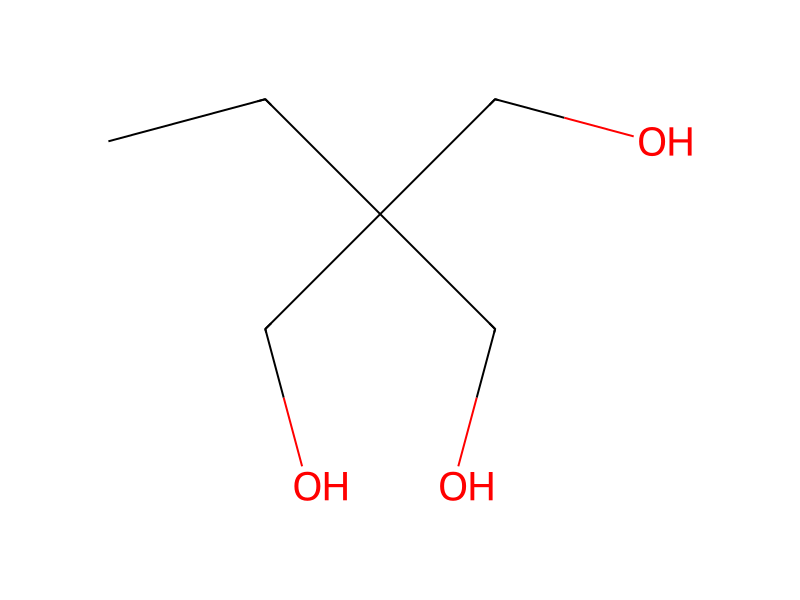
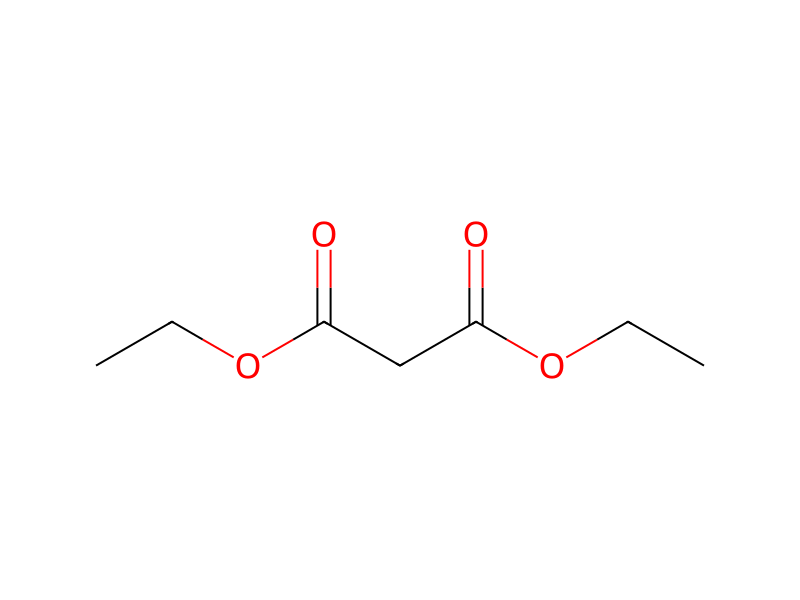
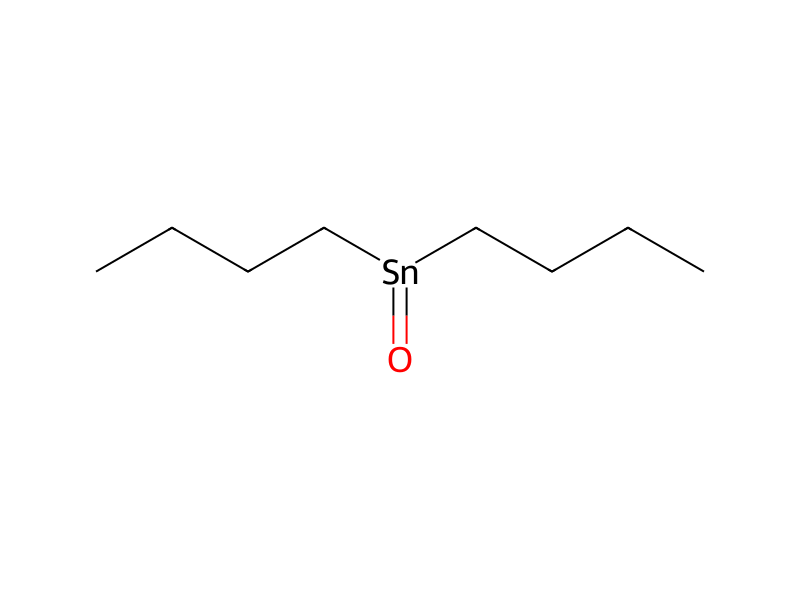
[CH2:1]([C:3]([CH2:8][OH:9])([CH2:6][OH:7])[CH2:4][CH3:5])[OH:2].[C:10]([O:18]CC)(=[O:17])[CH2:11][C:12]([O:14]CC)=[O:13].P(OC1C=CC=CC=1)(OC1C=CC=CC=1)O[C:23]1C=CC=C[CH:24]=1.[CH2:43]([Sn](=O)CCCC)[CH2:44]CC>>[CH2:1]([CH:11]([C:12]([OH:14])=[O:13])[C:10]([OH:18])=[O:17])[CH3:3].[CH2:23]([CH:11]([C:12]([OH:14])=[O:13])[C:10]([OH:18])=[O:17])[CH3:24].[CH2:43]([CH:11]([C:12]([OH:14])=[O:13])[C:10]([OH:18])=[O:17])[CH3:44].[CH2:1]([C:3]([CH2:8][OH:9])([CH2:6][OH:7])[CH2:4][CH3:5])[OH:2]Participants


Procedure
A 1000 ml. four-necked flask fitted with thermometer, nitrogen sparge tube and a 6" steam jacketed Vigreux with a Barrett trap on top was charged with 134.2 g. trimethylolpropane (1.0 mol), 800.0 g. diethyl malonate (5.0 mols), 1.0 g. triphenyl phosphite and 1.0 g. dibutyltin oxide. Steam was turned on in the condenser and heating was begun with a nitrogen sparge. The mixture cleared but became cloudy again at approximately 130° C. When the pot temperature reached 160° C. ethanol began distilling from the mixture. Heating was continued for a total of 50 minutes with a maximum pot temperature of 180° C. Vacuum was then applied and excess diethyl malonate was removed. Temperature was allowed to fall rapidly to 100° C. to avoid crossesterification reactions which could yield high molecular weight materials. Final stripping was at 100° C. with 1 mm. Hg. Yield of product was 412 g. (86% of theory). Proton NMR was consistent with the proposed structure.
Workup
- customfour-necked flask fitted with thermometer, nitrogen
- customsparge tube
- additionwas charged with 134.2 g
- temperatureheating
- customsparge
- custombecame cloudy again at approximately 130° C
- customreached 160° C.
- distillationbegan distilling from the mixture
- temperatureHeating
- customwas continued for a total of 50 minutes with a maximum pot temperature of 180° C
- customexcess diethyl malonate was removed
- customto fall rapidly to 100° C.
- customcould yield high molecular weight materials
- customwas at 100° C. with 1 mm. Hg
Sources & evidence
- ORD record
- ord-7c52168d36c64f3bbf69c1cd4ba4292b
- Source dataset
- uspto-grants-1999_10
- Patent number
- US05969046
Reaction notes
Loading…